Injured on Property? A Kent, WA Legal Guide from Floyd Personal Injury Law Group
What Really Happens After a Property Injury
If there is one thing I have learned from years of working with injured clients in Kent, it is that the most painful part of a property injury is often what comes after the fall. The shock, the confusion, the embarrassment. People replay the moment over and over, wondering what they did wrong.
Most of the time, the answer is nothing.
The emotional impact tends to catch people off guard. I hear the same questions constantly.
- Why do I feel so overwhelmed?
- Why is the property owner acting like this was my fault?
- Should I have spoken up sooner?
I once represented a woman who fell on a slick ramp behind a retail store. She blamed herself because she was “in a hurry.” But when we reviewed the surveillance footage, it showed employees walking past the spill for nearly an hour before she fell. That is how quickly self-blame can cloud reality.
Clients also struggle with symptoms that evolve days later.
- Pain that spreads
- Difficulty walking
- Headaches
- Loss of sleep
- Anxiety about returning to the location
These are real experiences, and ignoring them only makes things worse. The moment you start doubting your own instincts is the moment the insurance company gains leverage. That is why clarity matters so much in these cases.
Understanding Liability and What You Should Do Next
Premises liability protects you when unsafe conditions on someone else’s property cause harm. It covers everything from wet floors to broken steps to poor lighting. The standard is simple. Property owners must take reasonable steps to prevent hazards. When they do not, people get hurt.
Here is what I look for when assessing a case:
- Was there a clear, preventable hazard?
- Did the owner or employees know or should they have known about it?
- Did their failure to act directly cause your injury?
These answers often come from details that people overlook. Maintenance logs. Internal memos. Prior complaints. A witness who saw the hazard hours earlier. These pieces quietly connect the story.
If you get injured, your actions in the first few hours matter more than most people realize. This is what I always recommend:
- Get medical care right away, even if pain feels manageable
- Report the incident and get a copy of the report
- Take photos of the hazard, your injuries, and surrounding conditions
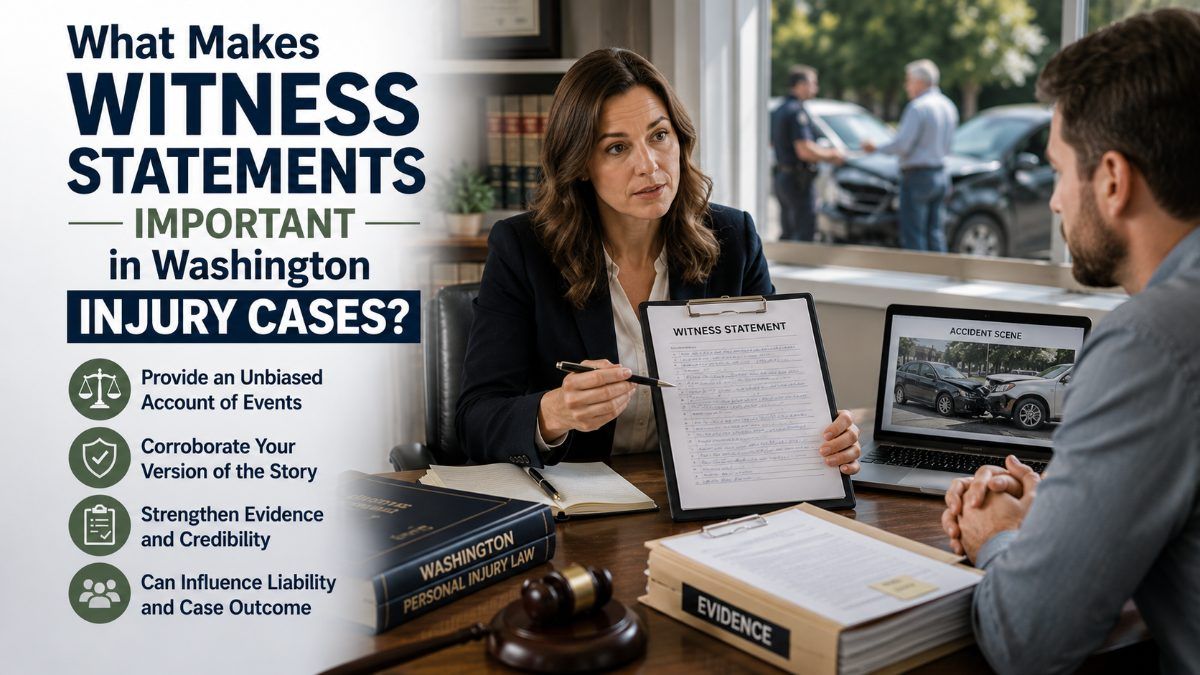
- Ask for names and contact information of witnesses
- Avoid recorded statements with insurance adjusters
- Document symptoms as they develop
Each of these steps protects your future self. I have seen strong cases collapse because the hazard was cleaned up before anyone captured evidence or because the injured person casually apologized at the scene. These moments may feel harmless, but insurance companies use them strategically.
How Compensation Works and When to Call a Lawyer
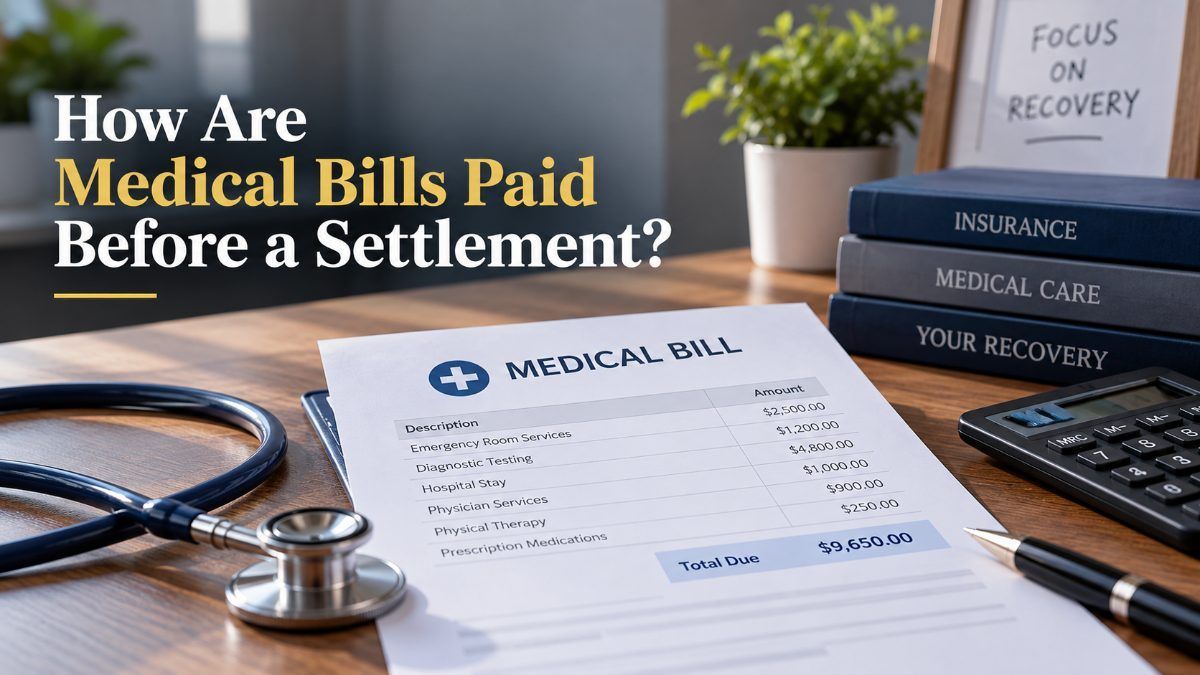
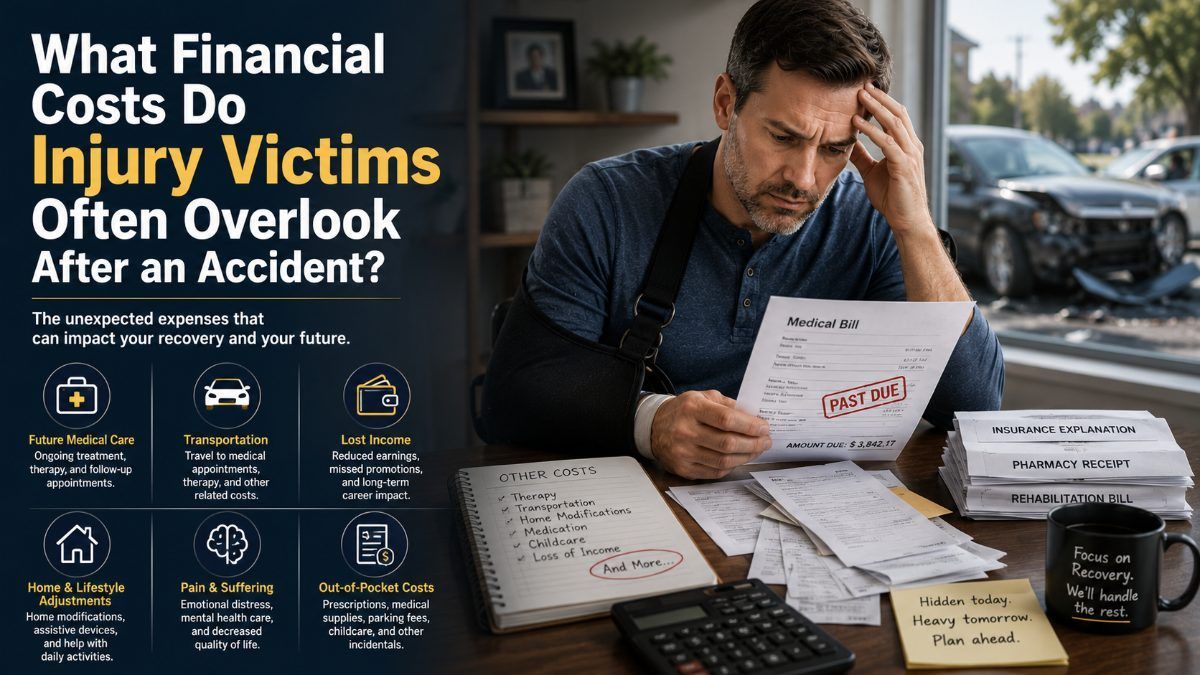
The cost of a property injury is rarely just the initial medical bill. I have seen slips and falls lead to months of physical therapy, lost wages, long term pain, and ongoing stress that clients were not prepared for. People often underestimate the long term financial impact until they are in the middle of it.
Here is what compensation may include in Washington:
- Medical expenses
- Physical therapy and rehabilitation
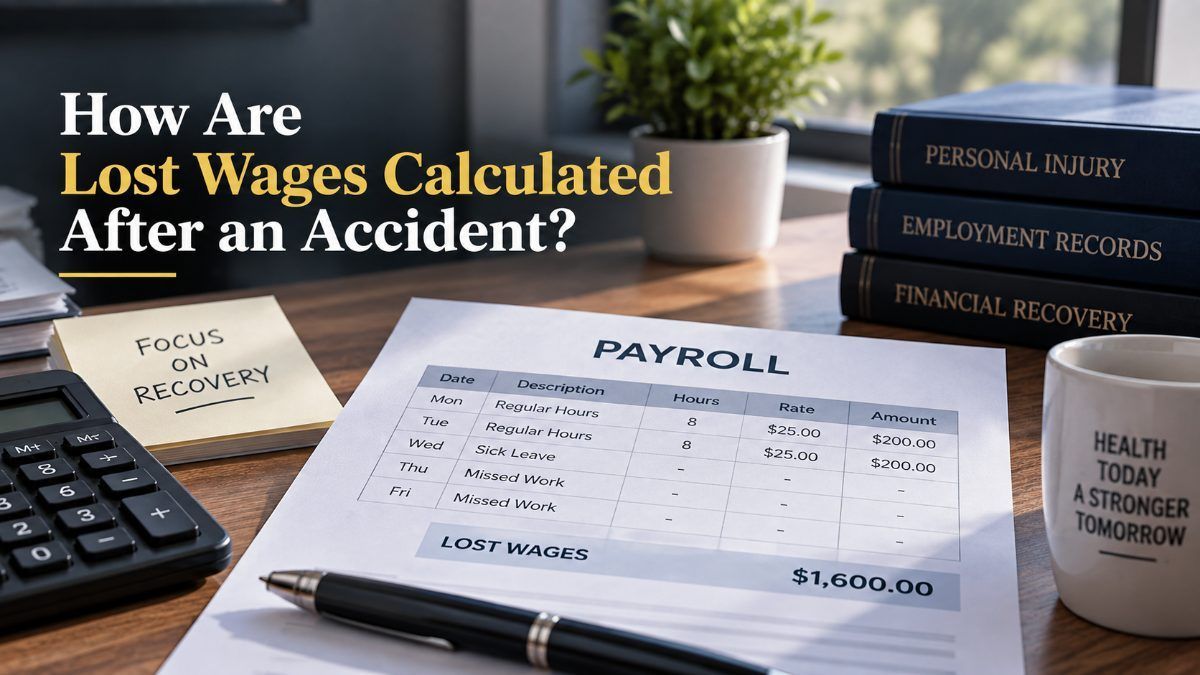
- Lost wages
- Reduced earning capacity
- Pain and suffering
- Long term care costs
Washington follows comparative negligence, meaning the insurance company will often try to assign part of the blame to you.
- You missed a warning sign
- You were distracted
- Your shoes were inappropriate
These arguments come up constantly, even in cases where the property owner clearly failed to maintain a safe environment. It is why legal representation becomes important earlier than most people think.
So when should you contact a lawyer?
- Your pain is worsening or persistent
- You are missing work
- The property owner denies responsibility
- The insurance company offers a low settlement
- You feel pressured to settle quickly
- You are unsure what your claim is worth
Reaching out is not about being combative. It is about protecting your rights before the situation becomes more complicated.
Why Work With Floyd Law Group in Kent, WA?
Over the years, I have represented people who walked into my office feeling overwhelmed and unheard. Many assumed their injuries were not serious enough or believed the insurance company would treat them fairly. What they needed was guidance grounded in real experience, not vague reassurance.
At Floyd Law Group, my approach is straightforward.
- I investigate the facts, not the assumptions
- I protect clients from insurance tactics
- I communicate clearly and honestly
- I focus on long term recovery, not quick settlements
Because we work here in Kent, we understand the nuances of local properties, businesses, and community spaces. That local insight helps us see patterns others might miss and build cases with stronger context.
Above all, my goal is simple. Make sure you are treated fairly and fully heard.
FAQs
How long do I have to file a claim in Washington?
You generally have three years, but your case is stronger when evidence is collected early.
What if no one witnessed my fall?
Many strong cases have no witnesses. Evidence like photos, medical records, and past complaints can still support your claim.
Can I file a claim if the injury happened at a friend’s house?
Yes. Claims are handled through insurance, not your friend personally.
Final Thoughts
A property injury can shake your confidence as much as your body. Pain, uncertainty, and pressure from insurance companies create a perfect storm that leaves people second guessing everything. I have seen how overwhelming that feels, and I know how quickly circumstances can spiral if you do not protect yourself early.
If something about your accident does not sit right with you, trust that feeling. Ask questions. Gather information. And remember, you do not have to navigate this alone. Your health, your future, and your peace of mind matter far more than rushing into a decision you cannot undo later.
If you want a meta title, schema markup, or GBP optimized version, I can create that next.
New Title