What Is a Personal Injury Claim, and How Do I File One
September 8, 2025

If you've been injured in an accident due to someone else's negligence, you may have many questions. How will you handle medical expenses? What if you can't work while recovering? A personal injury claim can help. In Washington State, filing a claim allows you to seek compensation for medical bills, lost wages, and pain and suffering. This guide will outline the steps to file a personal injury claim, highlighting local resources and the legal environment in King and Pierce Counties.


What Is a Personal Injury Claim?


A personal injury claim allows individuals to seek compensation for harm caused by another party's negligence or wrongdoing. In Washington State, common grounds for these claims include:

  • Car Accidents (e.g., collisions on busy roads like SR 167 or I-5)
  • Motorcycle or Bicycle Accidents
  • Slip-and-Fall or Trip-and-Fall Incidents
  • Workplace Injuries (especially in warehouses, construction sites, or local industries)
  • Wrongful Death Claims (when a loved one passes away due to another's negligence)


You may be entitled to damages if someone else's carelessness caused your injury—a reckless driver, a negligent property owner, or an irresponsible employer. These damages can help cover:

  • Medical Bills (emergency services, surgeries, rehabilitation)
  • Lost Wages (time off work during recovery)
  • Pain and Suffering
  • Property Damage (repair or replacement costs)


When you file a personal injury claim, your goal is to secure fair compensation so you can focus on healing and rebuilding your life.


Steps to Filing a Personal Injury Claim


STEP #1: Seek Medical Attention

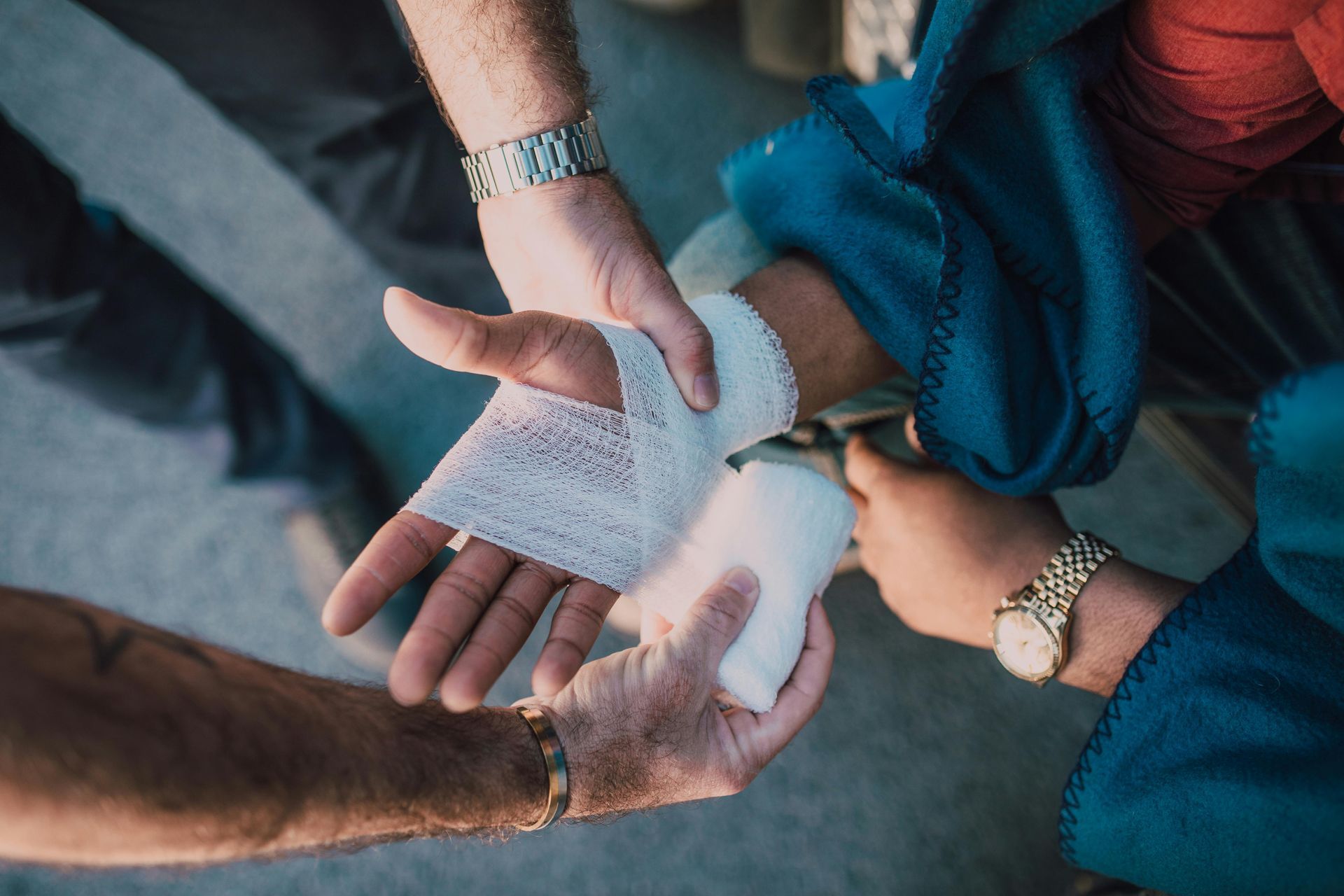
Your health and safety come first. If injured, seek medical care immediately. This not only protects your well-being but also provides documentation for your claim.

  • Local Resource Tip: If you're in Kent or nearby, consider treatment at Valley Medical Center in Renton or MultiCare Kent Clinic. Keep all discharge papers, prescriptions, and medical bills related to your injury.


STEP #2: Consult a Personal Injury Attorney

Before you talk to insurance companies or sign any documents, speaking with an experienced personal injury lawyer in Kent, WA, is wise. An attorney can:

  • Evaluate the strength of your case
  • Explain your rights under Washington law
  • Handle negotiations with insurance adjusters
  • Represent you in court if necessary

For over three decades, Floyd Personal Injury Law Group has been serving Kent residents, bringing local knowledge and legal expertise to support King County accident victims.


STEP #3: Notify the Liable Party

After hiring a lawyer, they will inform the at-fault party or their insurer of your intent to file a personal injury claim, notifying them that you are seeking compensation.

  • Pro Tip: Avoid giving official statements to the other party's insurer without legal counsel. Anything you say could be used against you later.


STEP #4: Gather Evidence

A strong personal injury claim relies on thorough evidence. This may include:

  • Medical Records detailing your diagnosis, treatments, and prognosis
  • Accident Reports from police or workplace incident logs
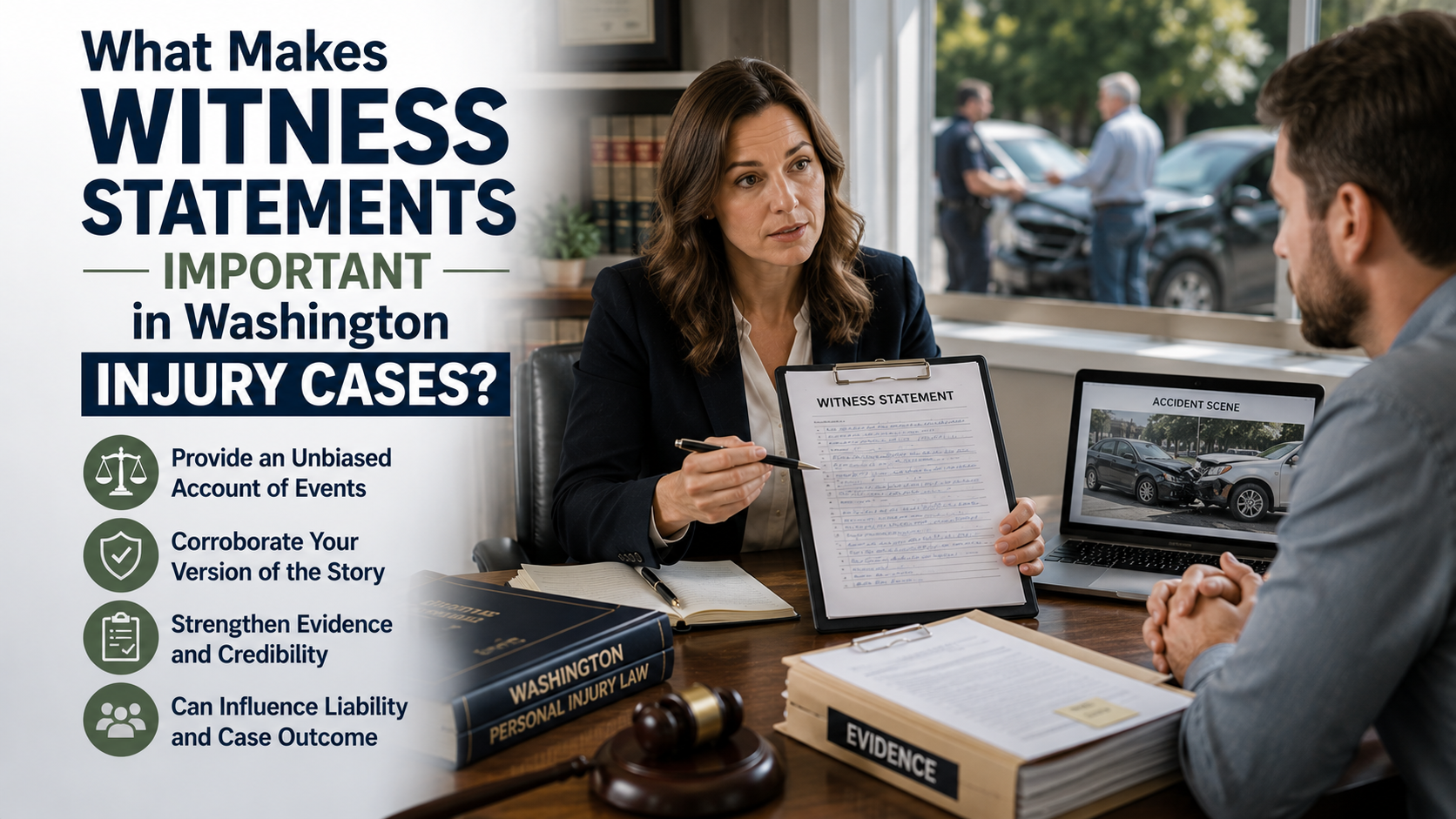
  • Witness Statements from anyone who saw the accident occur
  • Photos or Videos of the accident scene, your injuries, and any property damage

For example, if you slipped on an icy sidewalk in downtown Kent during the winter, take photos of the ice, signage (or lack thereof), and any hazards contributing to your fall.


STEP #5: File a Demand Letter

Your attorney typically prepares a demand letter once your medical condition is stable and most of the evidence is gathered. This letter:

  • Outlines the facts of the case
  • Describe your injuries and treatment
  • Includes a request for a specific amount of compensation

The demand letter is sent to the at-fault party's insurance company, which will review it and either agree, counteroffer, or deny the claim.


STEP #6: Negotiate a Settlement

Most personal injury claims result in a settlement, which is an agreement between you and the insurance company. Your lawyer will negotiate for a fair settlement to cover your losses.

  • Important Note: Insurance companies often aim to settle quickly and for as little as possible. An experienced Kent, WA, personal injury attorney ensures you don't accept an offer that undervalues your claim.


STEP #7: File a Lawsuit (If Necessary)

If settlement negotiations fail, your lawyer may recommend filing a lawsuit to pursue a fair outcome through the courts. In Kent, personal injury lawsuits are typically filed in:

  • King County Superior Court for more significant claims
  • King County District Court for specific minor claims

Your attorney will guide you through the court process, from discovery to trial, if that's what it takes to secure proper compensation.


Why Hiring a Local Attorney Matters


When handling a personal injury claim, it's essential to work with local legal professionals. Here's why a personal injury attorney can make a difference:


  1. Local Court Familiarity: Local attorneys understand how King County courts operate, including filing rules, deadlines, and procedures.
  2. Community Connections: A homegrown law firm, like Floyd Personal Injury Law Group, has networks and relationships throughout Kent and the surrounding counties.
  3. Relevant Experience: We've handled numerous cases involving local roads (such as SR 167 or SR 516), employers, and insurance companies, providing us with specific insights that help build a strong case.
  4. Accessibility: Being close by means it's easier to schedule in-person meetings, gather evidence, and communicate about your case.


Common Challenges in Filing Personal Injury Claims


While a personal injury claim can help you move forward after an accident, it's not always straightforward. Common challenges include:


  • Proving Negligence: You must show that the other party owed a duty of care, failed to meet that duty, and caused your injuries.
  • Comparative Negligence: Washington is a comparative fault state. If you share some blame for the accident, your compensation may be reduced proportionately.
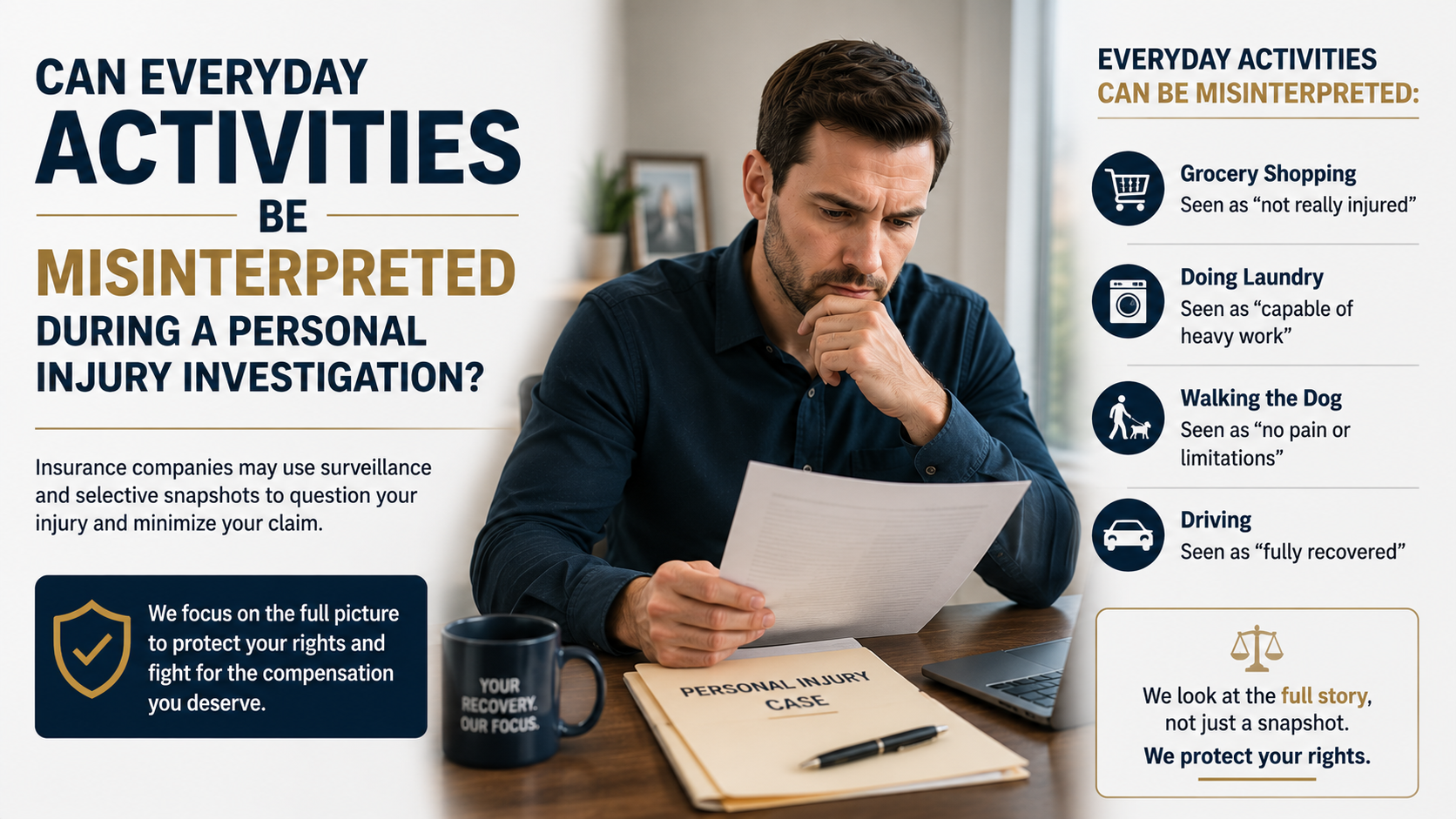
  • Insurance Company Tactics: Insurers often try to minimize payouts. They might dispute the severity of your injuries or question the validity of your claims.
  • Complex Medical Issues: The more serious the injury, the more complex the medical evidence. This could require expert testimony or detailed records.


An experienced personal injury lawyer can gather evidence, negotiate effectively, and litigate your case if needed to secure the best outcome.


FAQs About Personal Injury Claims


How long must I file a personal injury claim in Washington?

In most cases, Washington's statute of limitations for personal injury claims is three years from the date of the accident or injury. However, there may be exceptions, so it’s best to consult an attorney as soon as possible.


What if I was partially at fault for the accident?

Washington follows pure comparative negligence rules. This means you can still recover compensation even if you bear some fault. However, your total damages will be reduced by the percentage of your responsibility.


Do I need an attorney if my injuries are minor?

Complications can arise over time even if your injuries seem minor. A personal injury lawyer can help ensure that the settlement you receive reflects any future medical expenses or other unforeseen costs related to the accident.


Can I handle my claim without going to court?

Yes. Most personal injury claims are settled out of court. Going to trial is only necessary when negotiations fail to produce a fair settlement.


If you or a loved one has been injured due to negligence, don't go through it alone. Since 1984, Jeffrey S. Floyd has been fighting for the rights of Kent, WA, residents. Let us use our experience to help you.


Schedule a Consultation

Time is critical. Seek legal help now to protect your rights and strengthen your case. At Floyd Personal Injury Law Group, we're here to guide you. Contact us today to secure the compensation you deserve and start your path to recovery.


Other Contact information: 

(206) 575-7562

(206) 575-7563

Social Media Channels 

Facebook

LinkedIn

Email Address

Google Business Profile

Injured on Property: Kent’s Legal Guide by Floyd Personal Law Group
By jeff December 24, 2025
What Really Happens After a Property Injury If there is one thing I have learned from years of working with injured clients in Kent, it is that the most painful part of a property injury is often what comes after the fall. The shock, the confusion, the embarrassment. People replay the moment over and over, wondering what they did wrong. Most of the time, the answer is nothing. The emotional impact tends to catch people off guard. I hear the same questions constantly. Why do I feel so overwhelmed? Why is the property owner acting like this was my fault? Should I have spoken up sooner? I once represented a woman who fell on a slick ramp behind a retail store. She blamed herself because she was “in a hurry.” But when we reviewed the surveillance footage, it showed employees walking past the spill for nearly an hour before she fell. That is how quickly self-blame can cloud reality. Clients also struggle with symptoms that evolve days later. Pain that spreads Difficulty walking Headaches Loss of sleep Anxiety about returning to the location These are real experiences, and ignoring them only makes things worse. The moment you start doubting your own instincts is the moment the insurance company gains leverage. That is why clarity matters so much in these cases. Understanding Liability and What You Should Do Next Premises liability protects you when unsafe conditions on someone else’s property cause harm. It covers everything from wet floors to broken steps to poor lighting. The standard is simple. Property owners must take reasonable steps to prevent hazards. When they do not, people get hurt. Here is what I look for when assessing a case: Was there a clear, preventable hazard? Did the owner or employees know or should they have known about it? Did their failure to act directly cause your injury? These answers often come from details that people overlook. Maintenance logs. Internal memos. Prior complaints. A witness who saw the hazard hours earlier. These pieces quietly connect the story. If you get injured, your actions in the first few hours matter more than most people realize. This is what I always recommend: Get medical care right away, even if pain feels manageable Report the incident and get a copy of the report Take photos of the hazard, your injuries, and surrounding conditions Ask for names and contact information of witnesses Avoid recorded statements with insurance adjusters Document symptoms as they develop Each of these steps protects your future self. I have seen strong cases collapse because the hazard was cleaned up before anyone captured evidence or because the injured person casually apologized at the scene. These moments may feel harmless, but insurance companies use them strategically. How Compensation Works and When to Call a Lawyer The cost of a property injury is rarely just the initial medical bill. I have seen slips and falls lead to months of physical therapy, lost wages, long term pain, and ongoing stress that clients were not prepared for. People often underestimate the long term financial impact until they are in the middle of it. Here is what compensation may include in Washington: Medical expenses Physical therapy and rehabilitation Lost wages Reduced earning capacity Pain and suffering Long term care costs Washington follows comparative negligence, meaning the insurance company will often try to assign part of the blame to you. You missed a warning sign You were distracted Your shoes were inappropriate These arguments come up constantly, even in cases where the property owner clearly failed to maintain a safe environment. It is why legal representation becomes important earlier than most people think. So when should you contact a lawyer? Your pain is worsening or persistent You are missing work The property owner denies responsibility The insurance company offers a low settlement You feel pressured to settle quickly You are unsure what your claim is worth Reaching out is not about being combative. It is about protecting your rights before the situation becomes more complicated. Why Work With Floyd Law Group in Kent, WA? Over the years, I have represented people who walked into my office feeling overwhelmed and unheard. Many assumed their injuries were not serious enough or believed the insurance company would treat them fairly. What they needed was guidance grounded in real experience, not vague reassurance. At Floyd Law Group, my approach is straightforward. I investigate the facts, not the assumptions I protect clients from insurance tactics I communicate clearly and honestly I focus on long term recovery, not quick settlements Because we work here in Kent, we understand the nuances of local properties, businesses, and community spaces. That local insight helps us see patterns others might miss and build cases with stronger context. Above all, my goal is simple. Make sure you are treated fairly and fully heard. FAQs How long do I have to file a claim in Washington? You generally have three years, but your case is stronger when evidence is collected early. What if no one witnessed my fall? Many strong cases have no witnesses. Evidence like photos, medical records, and past complaints can still support your claim. Can I file a claim if the injury happened at a friend’s house? Yes. Claims are handled through insurance, not your friend personally. Final Thoughts A property injury can shake your confidence as much as your body. Pain, uncertainty, and pressure from insurance companies create a perfect storm that leaves people second guessing everything. I have seen how overwhelming that feels, and I know how quickly circumstances can spiral if you do not protect yourself early. If something about your accident does not sit right with you, trust that feeling. Ask questions. Gather information. And remember, you do not have to navigate this alone. Your health, your future, and your peace of mind matter far more than rushing into a decision you cannot undo later. If you want a meta title, schema markup, or GBP optimized version, I can create that next.
Injured Cyclist  Floyd Law Kent Has You Covered
By jeff December 17, 2025
Injured Cyclist : Floyd Law Kent Has You Covered w Title
Kent Divorce Myths That Could Cost You Big – Floyd Law
By jeff December 10, 2025
Kent Divorce Myths That Could Cost You Big – Floyd Law Personal Group
Floyd Law Group Legal Experts on Resolving Civil Cases in Kent
By jeff November 28, 2025
Floyd Law Group resolves civil and personal injury cases in Kent, WA with strategic legal guidance, compassion, and proven results for lasting peace of mind.
Protecting Kent Families with Trusted Legal Guidance
By jeff November 22, 2025
Floyd Law Group protects Kent families with trusted legal guidance in divorce, custody, and estate planning. Secure your family’s future with expert care.
Brain Injury Cases : Floyd Law’s Proven Approach
By jeff November 15, 2025
Floyd Law Group helps brain injury victims in Kent, WA recover compensation with expert legal suppor
Floyd Law Helps Families Find Peace After Loss
By jeff November 4, 2025
Floyd Law Group helps Kent families seek justice after wrongful death. Compassionate legal guidance for accountability, closure, and financial recovery.
Floyd Law Defends Injured Pedestrian Walkers in Kent
By jeff October 31, 2025
Floyd Law Group defends injured pedestrians in Kent, WA. Get compassionate, proven legal help to recover compensation and rebuild after an accident.
What to Do After a Pedestrian Crash in Kent by Floyd Law
By jeff October 24, 2025
Injured in a pedestrian accident in Kent, WA. Floyd Law Group helps victims recover compensation and rebuild life with expert legal support and care.
How to Win Your Truck Accident Claim in Kent, WA with Floyd Law
By jeff October 17, 2025
Win your truck accident claim in Kent, WA. Floyd Law Group fights for your rights with expert strategy, evidence, and compassionate legal support.