What Happens If Multiple Parties Are Responsible for Your Injury

What Happens If Multiple Parties Are Responsible for Your Injury
After an accident, people often expect one clear at-fault party. In reality, many personal injury cases in Kent, WA involve more than one person, company, or entity sharing responsibility for the injury.
This raises important questions:
- Who pays your damages?
- How is fault divided?
- Can your compensation be reduced even if someone else was mainly responsible?
These cases are governed by Washington law, but the process can become complicated when multiple insurance companies and conflicting versions of events are involved.
Understanding how shared fault works is important because it directly affects the value of a personal injury claim and the compensation you may recover.
What It Means When More Than One Party Is Responsible
Some accidents are not caused by a single mistake. Multiple parties may contribute to the same injury event.
Common examples include:
- Two drivers contributing to a collision through separate traffic violations
- A property owner and contractor failing to correct a known hazard
- A defective product involving manufacturers, distributors, or retailers
- A rideshare or commercial accident involving multiple drivers or companies
In these situations, liability is divided based on each party’s role in causing the harm. This is known as apportioning fault, and it directly impacts how a personal injury claim is evaluated.
How Shared Fault Works in Washington State
Washington follows a pure comparative negligence system under RCW 4.22.005.
This means:
- You may still recover damages even if you are partly at fault
- Your compensation is reduced based on your percentage of fault
- Multiple parties can share responsibility for the same injury
For example, if total damages are one hundred thousand dollars and you are found twenty percent at fault, the recovery would be reduced accordingly.
Courts and insurance companies rely on evidence to assign fault percentages. However, insurers often dispute these findings to reduce payouts, which can directly affect your personal injury claim.
In many cases, insurance companies attempt to shift more blame onto the injured party or minimize the role of other responsible parties to limit compensation exposure.
How Multiple-Party Fault Affects Your Compensation
When more than one party is involved, compensation may be divided across multiple insurance policies or defendants.
Key challenges include:
- Blame shifting: Each party may try to avoid responsibility, delaying resolution and increasing dispute complexity.
- Reduced settlement offers: Disagreements over fault percentages can lower overall compensation amounts.
- Multiple insurance negotiations: Each insurer may apply different interpretations of fault and damages.
- Unidentified responsible parties: Missing a liable party can significantly reduce total recovery.
Insurance companies often use shared fault arguments strategically to reduce the value of a personal injury settlement. Proper evidence and legal strategy are critical to protecting your claim.
What To Do If Multiple Parties Caused Your Injury
Taking the right steps early can help protect your rights and strengthen your case.
Seek medical attention immediately
Medical records establish a clear connection between the accident and your injuries.
- Gather evidence
- Take photos of the scene, hazards, or damage
- Collect witness names and contact information
- Keep copies of police and incident reports
Be cautious with statements
What you say to insurance companies can be used to assign a higher percentage of fault to you.
Identify all potentially responsible parties
This may include drivers, property owners, employers, contractors, or manufacturers.
Speak with a personal injury attorney in Washington
Legal guidance helps evaluate fault, preserve evidence, and respond to insurance company tactics effectively.
How Washington Law Treats Multiple-Party Cases
Washington law allows injured individuals to pursue compensation from all parties who contributed to the harm.
Key principles include:
- Multiple defendants can be named in a single claim
- Fault is divided into percentages assigned to each party
- Your recovery is reduced based on your share of fault
In certain situations, one party may be required to pay a larger portion if others are unable to satisfy their share.This legal framework applies throughout the state, including Kent, Washington, and is central to how personal injury claims involving shared fault are resolved.
Why Work With Floyd Law Group in Kent, WA?
Cases involving multiple responsible parties require careful investigation and strong legal strategy. Even small differences in fault percentages can significantly impact compensation outcomes.
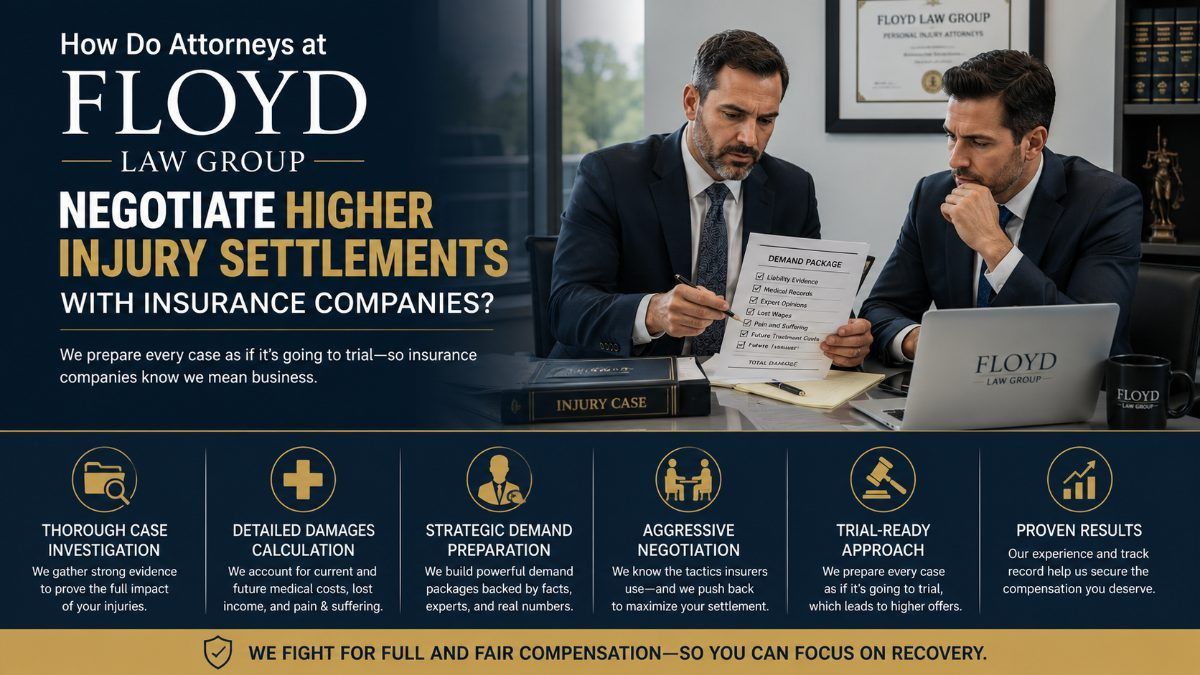
Floyd Personal Injury Law Group helps clients in Kent, WA navigate complex shared-fault injury cases by focusing on clear evidence and structured claim development.
Their approach includes:
- Identifying all potentially liable parties
- Analyzing evidence to support accurate fault allocation
- Managing communication with multiple insurance companies
- Reducing delays caused by disputes over responsibility
- Protecting the full value of a personal injury claim
In multi-party cases, insurance companies often work to reduce their financial responsibility. Having early legal guidance helps prevent unfair fault allocation and protects your ability to recover fair compensation.
FAQs
Can I recover damages if I share fault for the accident?
Yes. Under Washington’s comparative negligence system, compensation may still be available, but it is reduced based on your percentage of fault.
Can I file a claim against multiple parties?
Yes. If more than one party contributed to your injury, claims may be pursued against all responsible parties.
Why do multi-party injury cases take longer?
These cases involve multiple insurers, competing fault arguments, and more complex evidence review, which can extend the timeline for resolution.
Final Thoughts
When multiple parties are responsible for an injury, determining fault becomes more complex, but your right to compensation remains protected under Washington law.
These cases often involve disputes over fault percentages, insurance companies shifting responsibility, and reduced settlement offers when evidence is incomplete.
Strong evidence and accurate fault allocation are critical to protecting your claim. If you are dealing with a shared-fault injury case in Kent, WA, early legal support can help ensure all responsible parties are identified and your claim is positioned for a fair outcome.