Who Can Be Held Accountable in a Multi-Vehicle Accident Under Washington Law?

April 6, 2026

This is a subtitle for your new post

Who Can Be Held Accountable in a Multi-Vehicle Accident Under Washington Law

Multi-vehicle accidents are chaotic. I have stood beside clients in Kent who were shaken, injured, and overwhelmed after a chain reaction crash on I-5, Highway 167, or a busy intersection along Kent-Kangley Road. Cars are damaged. Drivers are confused. Insurance companies start calling quickly, and almost immediately, the finger-pointing begins.


The first question I always hear is simple: Who is actually responsible for this?


Under Washington law, the answer is rarely straightforward. In a multi-vehicle accident, more than one driver can be held accountable. In some cases, responsibility extends beyond the drivers themselves. Understanding how Washington multi-vehicle accident liability works can significantly impact your ability to recover compensation.


At Floyd Personal Injury Law Group in Kent, WA, we regularly represent clients involved in complex chain reaction crashes. These cases require careful legal analysis, strong evidence gathering, and strategic negotiation. Let’s break down how accountability is determined.


How Washington Car Accident Liability Laws Work


Washington follows the doctrine of pure comparative fault.


This means each party involved in an accident can be assigned a percentage of responsibility. Your financial recovery is reduced by your share of fault, but you are not barred from recovery simply because you were partially responsible.


For example, if you are found partially at fault in a multi-car crash, your compensation will be reduced proportionally. Even if you carry a significant percentage of fault, you may still recover damages.


This system becomes especially important in chain reaction accident cases, where multiple impacts happen within seconds. Rarely is one driver entirely responsible.


What Is Liability in a Washington Multi-Car Chain Reaction Crash?


Liability refers to legal responsibility for damages caused by negligence.


In a Washington multi-car accident, liability is determined by analyzing:

  • The order of vehicle impacts
  • Whether drivers were speeding or distracted
  • Following distance
  • Traffic signals and right-of-way
  • Road and weather conditions
  • Mechanical failures


In my experience handling multi-vehicle accident cases in Kent, small details often shape the entire case. A delayed reaction time. A vehicle traveling slightly above the speed limit. A driver glancing at a phone. These factors matter.


How Does Comparative Fault Work in Washington State Multi-Vehicle Accidents?


Comparative fault allows insurance companies and courts to divide blame among drivers.


In a three- or four-car pileup, several drivers may have contributed to the outcome. One may have braked abruptly. Another may have followed too closely. A third may have been distracted.


After investigation, fault is allocated among all contributing parties.


While this system is designed to be fair, insurers sometimes attempt to assign more blame to injured individuals to limit payouts. I have seen cases where clients were initially told they were primarily at fault, only for evidence to later show a different story.


This is why working with a knowledgeable multi-car accident lawyer in Washington is so important. At Floyd Personal Injury Law Group, we scrutinize every detail to ensure fault is assigned accurately and fairly.


When Can Multiple Drivers Share Fault in a Washington Multi-Vehicle Collision?


Multiple drivers share fault when their independent actions contributed to the crash.


Common contributing behaviors include:

  • Following too closely
  • Distracted driving
  • Unsafe lane changes
  • Speeding in heavy traffic
  • Failing to yield


In Kent’s busy commuter corridors, rear-end chain reaction accidents are common. Many assume the last vehicle in the line is automatically responsible. That is not always correct.


If a driver ahead made an unsafe maneuver or stopped suddenly without justification, liability may be shared. Every driver has a duty to operate their vehicle safely, and when several fail in that duty, fault can be distributed.


Why Is Joint and Several Liability Important in Washington Car Crashes?


Washington previously applied joint and several liability more broadly. Today, it applies in limited circumstances but can still be significant.


Joint and several liability allows an injured party to recover full damages from one responsible defendant if others cannot pay their share.


This becomes especially important if one driver is uninsured or underinsured. Understanding how Washington joint and several liability applies can impact how claims are structured and pursued.


These legal nuances are complex, and strategic legal guidance is often necessary to maximize recovery.


Who Can Be Held Accountable Beyond the Drivers?


In a multi-vehicle collision injury claim in Washington, accountability may extend beyond drivers.


Potential liable parties include:

Vehicle Owners

If a vehicle was driven with the owner’s permission, the owner may share responsibility.

Employers

If a driver was acting within the scope of employment, such as a delivery or commercial driver, the employer may be liable.

Government Entities

Poor road maintenance or malfunctioning traffic signals can create municipal liability.

Vehicle Manufacturers

Mechanical defects may shift responsibility to manufacturers.


At Floyd Personal Injury Law Group, we conduct comprehensive investigations to identify every potential source of liability. Overlooking even one responsible party can limit compensation.


How to Prove Fault in a Washington Multi-Car Accident Case


Strong evidence is critical.


Successful multi-vehicle accident claims rely on:

  • Police reports
  • Witness statements
  • Traffic camera footage
  • Dashcam recordings
  • Accident reconstruction analysis
  • Vehicle damage documentation
  • Medical records linking injuries to the crash


The days following a crash are often the most important. Evidence can disappear quickly. Our firm moves fast to preserve documentation and build a strong, fact-based claim.


What Damages Can You Claim in a Washington Multi-Vehicle Crash?


If you were injured in a multi-vehicle accident in Kent or elsewhere in Washington, you may pursue compensation for:

  • Emergency medical treatment
  • Ongoing care and rehabilitation
  • Lost wages
  • Loss of future earning capacity
  • Pain and suffering
  • Emotional distress
  • Property damage


Serious injuries may involve long-term disability considerations.


Because compensation is affected by fault allocation, having an experienced legal team can directly influence the total recovery.


Why Hire a Multi-Car Accident Lawyer in Washington State?


Multi-vehicle accident claims are among the most legally complex personal injury cases.


You may face multiple insurance carriers, disputed liability percentages, and aggressive settlement tactics. Each insurer is focused on minimizing financial exposure.


An experienced chain reaction accident attorney in Washington understands how to manage these competing interests strategically.


At Floyd Personal Injury Law Group in Kent, WA, we are proud to be recognized as one of the strongest local firms for handling multi-vehicular accident cases. Our approach includes detailed investigation, careful fault analysis, strategic negotiation, and readiness for litigation if necessary.


Clients trust us because we combine legal precision with genuine compassion. We understand the stress and uncertainty that follow serious crashes. Our role is to provide clarity, protect your rights, and pursue full accountability.


When multiple parties are involved and liability is contested, experience makes a difference.


Frequently Asked Questions


Who can be held accountable in a multi-vehicle accident under Washington law?

Any driver whose negligence contributed to the crash may be assigned a percentage of fault. Liability may also extend to vehicle owners, employers, manufacturers, or government entities.


What if I am partially at fault in a Washington multi-car accident?

You can still recover damages under Washington’s pure comparative fault system. Your compensation will be reduced by your percentage of responsibility.


How long do I have to file a multi-vehicle accident claim in Washington?

In most cases, Washington allows three years from the date of the accident to file a personal injury lawsuit. Acting sooner helps preserve evidence.


Moving Forward After a Multi-Vehicle Accident


If you or someone you love has been involved in a multi-vehicle collision in Kent, WA, do not assume liability is simple or predetermined.

Washington multi-vehicle accident liability cases are complex and often aggressively defended by insurers.


At Floyd Personal Injury Law Group, we are committed to helping Kent residents navigate these challenges with clarity, strength, and experienced advocacy. If you have questions about your multi-car accident injury claim in Washington, reach out to discuss your options.


At Floyd Law Group, we have helped countless residents navigate these complex cases with care, expertise, and compassion. Every accident is unique, and every client deserves clarity, support, and a firm advocate on their side.


(206) 575-7562

(206) 575-7563

Social Media Channels 

Facebook

LinkedIn

Email Address

Google Business Profile


By jeff June 26, 2026
Recovering from an injury does not always mean staying home or avoiding every daily responsibility. Many people still attend family gatherings, drive to medical appointments, shop for groceries, or participate in light activities while continuing treatment. During a Washington personal injury investigation, however, ordinary activities can sometimes be viewed out of context when injury compensation claims are being evaluated. Photos, videos, social media posts, or brief public observations rarely show the full reality of someone’s recovery. A person may appear comfortable for a short moment while still dealing with chronic pain, physical limitations, medication side effects, or exhaustion afterward. Because of this, activity monitoring sometimes becomes part of the investigation process in accident-related claims. For injured individuals in Kent, WA, understanding how surveillance, social media reviews, and public activity observations work can help reduce misunderstandings and protect the credibility of a personal injury case. Why Injury Claims Are Investigated Claim investigations are common after serious accidents Insurance carriers often investigate injury claims to better understand how the accident occurred and how the reported injuries affect daily life. Part of this process involves reviewing whether the available evidence supports the compensation being requested. Investigations often include: Reviewing medical records Examining public social media activity Monitoring public appearances Reviewing employment information Interviewing witnesses Conducting surveillance In some situations, investigators observe claimants in public places to document physical movement or activity levels. Can insurance companies watch you? Yes. Insurance companies may legally review publicly available information connected to an injury claim. Examples often include: Public social media posts Shared photos and videos Public appearances Activity in public spaces Investigators must still follow privacy laws and generally cannot trespass onto private property or secretly record private conversations. How Everyday Activities Can Be Misunderstood Short moments rarely tell the full story One of the biggest issues in injury investigations is lack of context. A photograph or short video clip usually captures only a brief moment rather than the full physical reality of recovery. For example: Smiling in a photo does not mean someone is pain-free Carrying groceries once does not prove full recovery Attending a school event may still involve physical discomfort A short walk may result in increased pain afterward Recovery often involves fluctuating symptoms, especially with neck injuries, back pain, nerve conditions, or soft tissue damage. Can social activities affect compensation? Social activities alone do not automatically hurt a personal injury case. Injured individuals are still allowed to leave the house, spend time with family, or participate in limited activities approved by their doctor. Concerns usually arise when public activity appears inconsistent with medical records or the physical limitations described during treatment. Examples include: Posting videos of physically demanding activity Participating in sports despite medical restrictions Sharing vacation photos without context Publicly discussing the legal claim online Public activity that appears inconsistent with treatment records can sometimes affect how adjusters evaluate claim credibility and injury settlement discussions. This is one reason attorneys often recommend caution with social media during an active injury case. Social Media and Personal Injury Claims Online activity is commonly reviewed Social media has become one of the most frequently reviewed sources of information during personal injury investigations. Even harmless posts may later be examined during settlement negotiations. Common platforms investigators review include: Facebook Instagram TikTok X YouTube Photos, comments, tagged images, location check-ins, and public interactions can all become part of a claim review. Public posts may create misleading impressions A single image posted online rarely shows: Pain experienced afterward Medication use Mobility limitations Physical exhaustion Assistance needed before or after the activity Someone recovering from a back injury, for example, may attend a birthday dinner for an hour but spend the next day resting because of increased pain. A social media post usually does not capture that full recovery process. Tips for Handling Social Media During a Claim Many personal injury lawyers recommend: Avoiding discussions about the case online Limiting public posts during recovery Reviewing privacy settings Avoiding exaggerated statements Asking friends not to publicly tag photos Floyd Personal Injury Law Group often advises clients to remain cautious online while an injury claim is ongoing because even innocent posts may create confusion during negotiations. Surveillance During an Injury Investigation Public behavior may be monitored Surveillance is sometimes used when adjusters believe additional investigation is necessary. Investigators sometimes: Follow claimants in public places Record activity in public spaces Observe movement patterns Monitor daily routines This type of surveillance usually takes place in public areas where privacy protections are limited. Good days do not erase legitimate injuries Many injuries involve recovery periods with changing symptoms. Someone dealing with soft tissue injuries or chronic pain may experience: Better days Pain flare-ups Temporary mobility improvements Fatigue after activity A short video recorded on a good day does not automatically mean the injury has healed completely. Consistent medical records often help explain these fluctuations. Why Medical Consistency Matters Activity levels should generally align with treatment records Adjusters frequently compare public activity with: Medical reports Physician restrictions Physical therapy notes Statements made during treatment If someone reports severe mobility limitations but regularly participates in strenuous activities, questions may arise about the accuracy of the claim. This does not mean injured individuals must avoid normal life. It simply means recovery activities should generally remain consistent with documented medical limitations. Honest Communication With Doctors Is Important Accurate communication with healthcare providers can play an important role in supporting a claim. Patients should openly discuss: Pain levels Daily challenges Physical restrictions Activity tolerance Recovery progress Detailed medical documentation often helps explain why certain activities may still be possible despite ongoing injuries. How Legal Guidance Can Help During Investigations Understanding the process may reduce unnecessary problems Many injured individuals feel stressed after learning that their public activity could be reviewed during an investigation. Misunderstandings often happen when isolated observations are viewed without proper context. Floyd Personal Injury Law Group helps clients understand: How surveillance investigations work What social media risks exist Why documentation matters How activity reviews may affect negotiations What steps may help avoid claim complications Having legal guidance during the injury recovery process may help individuals focus on healing while maintaining accurate and consistent records. Common Mistakes That Can Hurt a Claim Small actions sometimes create larger problems Several common mistakes may negatively affect an injury case: Posting excessive social media content Ignoring medical restrictions Missing treatment appointments Making exaggerated public statements Discussing settlement details online Assuming private profiles fully protect content Careful documentation and consistency throughout recovery often help reduce unnecessary disputes. Frequently Asked Questions Can insurance companies watch you during a personal injury claim? Yes. Insurance companies may legally review public activity, social media posts, and surveillance footage collected in public spaces during an injury investigation. Can social activities affect compensation? Social activities alone do not automatically reduce compensation. Problems usually arise when activities appear inconsistent with reported injuries or medical restrictions. Should I stop using social media during a personal injury case? Many attorneys recommend limiting social media activity during an active claim to avoid misunderstandings or misleading interpretations. Can investigators record activities in public? In many situations, investigators may legally record activities that occur in public places where there is no reasonable expectation of privacy. What if I have good days during recovery? Many injuries involve fluctuating symptoms. Having occasional good days does not necessarily mean an injury has fully healed. Why are medical records important in injury investigations? Medical records help document pain levels, treatment progress, physical limitations, and how injuries affect daily life during recovery. Final Thoughts Recovery is rarely simple or predictable after a serious injury. Many people experience changing symptoms, occasional good days, and physical limitations that fluctuate throughout treatment. Unfortunately, brief public observations or online posts do not always reflect the full reality of that recovery process. Injury investigations sometimes involve reviewing social media activity, surveillance footage, and public behavior to evaluate whether a claim appears consistent with medical records. Understanding how these investigations work can help injured individuals avoid misunderstandings while continuing to manage normal daily responsibilities during recovery. For individuals in Kent, WA, staying consistent with medical treatment, being cautious online, and maintaining accurate documentation may help strengthen the overall credibility of a personal injury claim.
By jeff June 19, 2026
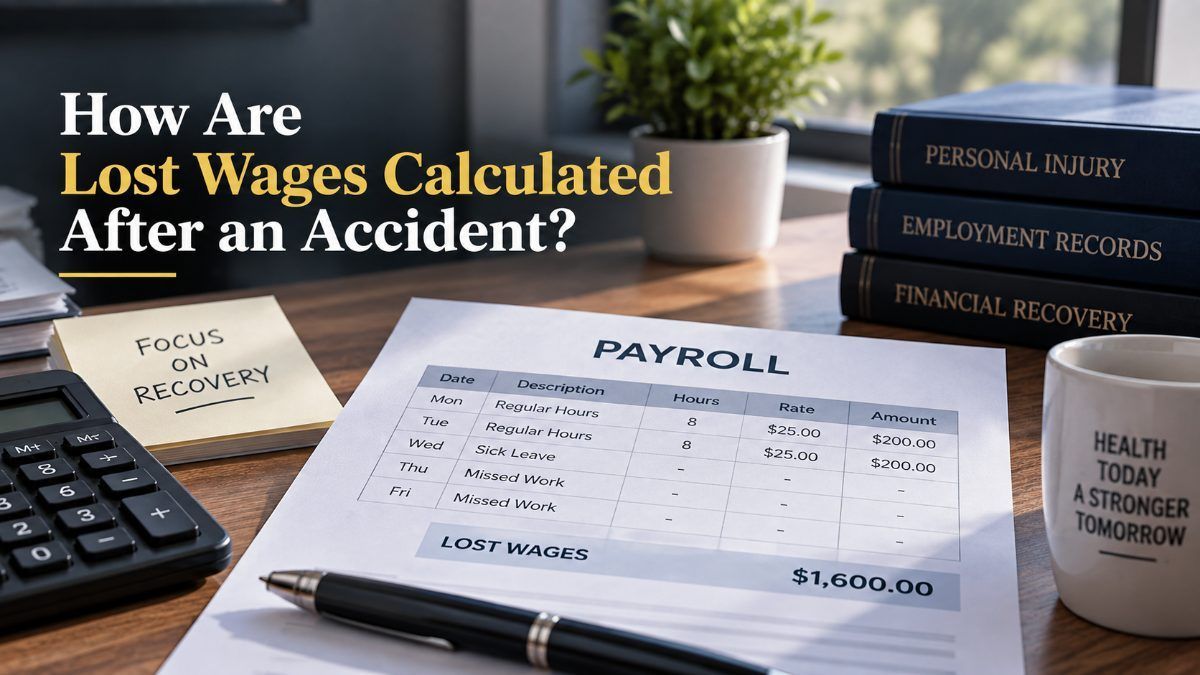
A serious injury can affect far more than physical health. Many injured individuals are forced to miss work while attending medical appointments, recovering from procedures, or managing physical limitations that make returning to their job difficult. Even a short absence from work can quickly create financial pressure when bills, household expenses, and ongoing medical costs continue to accumulate. In Washington personal injury cases, compensation may include income lost because of the injury. These financial damages are separate from pain and suffering because they focus specifically on how the injury affected a person’s ability to earn money during recovery. In more serious cases, injuries may also reduce future earning potential long after the accident itself. For individuals in Kent, WA, understanding how lost wage claims are calculated, documented, and challenged by insurance companies can help strengthen the overall credibility of a personal injury case. What Are Lost Wages in a Personal Injury Claim? Lost wages involve income missed during recovery When injuries prevent someone from working, they may be able to pursue compensation for the income they would likely have earned if the accident had not occurred. Lost wage claims may include: Missed hourly wages Salary income Overtime pay Bonuses Commissions Used sick leave Vacation time used during recovery Self-employment income losses These damages are considered economic losses because they involve measurable financial harm connected to the injury. Can I get paid for missed work after injury? Yes. In many Washington personal injury claims, injured individuals may recover compensation for work income lost because their injuries prevented them from performing normal job duties. Several factors often affect eligibility, including: Injury severity Medical restrictions Length of recovery Employment records Proof connecting the injury to missed work Clear documentation is usually important when pursuing these damages. How Lost Wages Are Calculated Multiple records are often reviewed Attorneys and insurance adjusters typically evaluate several types of financial and employment records when calculating lost income damages. Common factors include: Hourly pay rate Salary history Average weekly hours Missed workdays Overtime history Bonuses or commissions Recovery timeline For self-employed individuals, calculations may involve: Tax returns Business records Invoices Client contracts Profit and loss statements The goal is generally to estimate how much income would likely have been earned if the injury had not interrupted employment. How are lost wages calculated? Lost wages are usually calculated by reviewing how much income the injured person would reasonably have earned during the recovery period. For example: Hourly workers may calculate income based on missed shifts or hours Salaried employees may calculate compensation based on missed pay periods Self-employed individuals may use financial records to show reduced business income Accurate employment documentation often becomes one of the most important parts of a lost wage claim. Why Medical Documentation Matters Medical records help support missed work claims Insurance companies often require proof showing that injuries directly prevented someone from working safely or performing normal job duties. Medical providers may document: Physical limitations Recovery timelines Work restrictions Temporary disability status Inability to perform certain tasks Without medical support, adjusters may argue that missed work was unnecessary or unrelated to the injury. Common work restrictions after personal injury Depending on the injury, restrictions may include: No heavy lifting Limited standing or walking Reduced driving Limited repetitive movement Restricted physical activity Reduced work hours These limitations can affect both physically demanding jobs and office-based work environments. Lost Wages vs. Lost Earning Capacity These damages involve different types of financial loss Many people assume lost wages and lost earning capacity mean the same thing, but they address different financial problems. Lost wages involve: Income already missed during recovery Lost earning capacity involves: Reduced future earning ability caused by long-term injuries For example, someone who cannot return to the same profession because of permanent physical limitations may pursue compensation for future income losses. Long-term injuries may affect future employment Serious injuries sometimes lead to: Career changes Reduced work hours Lower-paying positions Permanent disability Inability to return to physical labor When injuries affect future employment opportunities, additional economic damages may become part of the claim. How Insurance Companies Challenge Lost Income Claims Financial losses are often reviewed carefully Insurance carriers frequently examine lost wage claims closely before agreeing to compensation amounts. Adjusters may question: Whether all missed work was medically necessary The accuracy of overtime estimates Self-employment income calculations Future earning loss projections Whether someone could have returned to work sooner Because of this, strong documentation often becomes extremely important. Self-employed workers may face additional scrutiny Self-employed individuals sometimes face greater challenges proving lost income because earnings can vary from month to month. Helpful documentation may include: Tax filings Accounting records Bank statements Contracts Client communications Business invoices Detailed financial records may help support claim credibility during negotiations. Other Financial Losses Related to Missed Work Economic damages may extend beyond regular paychecks A personal injury can create additional work-related financial losses beyond ordinary wages. Some injury compensation claims may also involve: Missed business opportunities Lost commissions Missed freelance projects Reduced bonuses Lost employment benefits Retirement contribution losses These financial losses sometimes become significant in serious injury cases involving extended recovery periods. How Legal Guidance Can Help With Lost Wage Claims Organized documentation may strengthen compensation claims Lost income disputes often involve both medical evidence and financial documentation. Insurance companies may request extensive records before evaluating compensation. Floyd Personal Injury Law Group helps injured individuals understand how lost wage damages are reviewed in Washington personal injury cases. Legal guidance may help clients: Organize employment records Document missed workdays Address insurance disputes Calculate future earning losses Support economic damage claims Careful preparation often becomes especially important when substantial income losses are involved. Common Mistakes That Can Hurt Lost Wage Claims Certain issues may weaken a claim Several common mistakes can create complications during a lost wage dispute: Failing to obtain medical work restrictions Returning to work too early against medical advice Missing treatment appointments Keeping incomplete employment records Poorly documenting self-employment income Giving inconsistent statements about work limitations Maintaining organized medical and financial records throughout the injury recovery process may help reduce unnecessary disputes later. Frequently Asked Questions Can I get paid for missed work after injury? Yes. Injured individuals may pursue compensation for income lost because their injuries prevented them from working during recovery. How are lost wages calculated in Washington personal injury claims? Lost wages are typically calculated using employment records, missed work time, pay history, and medical documentation supporting the inability to work. What proof is needed for lost wage claims? Common evidence includes doctor work restrictions, pay stubs, employer letters, tax returns, attendance records, and business income documentation. Can self-employed workers recover lost income after an injury? Yes. Self-employed individuals may pursue compensation, although additional financial records are often needed to prove reduced earnings. What is the difference between lost wages and lost earning capacity? Lost wages involve income already missed during recovery, while lost earning capacity refers to future income limitations caused by long-term injuries. Can insurance companies dispute missed work claims? Yes. Insurance companies may question whether missed work was medically necessary or whether income losses are fully supported by documentation. Final Thoughts Missing work after a serious injury can create immediate financial stress for injured individuals and their families. Medical treatment, physical limitations, and recovery time may prevent someone from returning to work for days, weeks, or even permanently in more severe cases. In Washington personal injury claims, compensation for lost wages may help address income missed during recovery as well as future earning limitations caused by long-term injuries. Insurance companies often review these claims carefully, which is why medical documentation, employment records, and financial evidence frequently play a major role in proving economic damages. For individuals in Kent, WA, understanding how lost wage claims work may help strengthen the overall accuracy and credibility of a personal injury case while ensuring important financial losses are properly documented.
By jeff June 12, 2026
After a personal injury accident, many people expect medical scans to clearly identify the source of their pain. However, some of the most disruptive injuries do not always appear on X-rays, CT scans, or even MRI results. Conditions involving soft tissue damage, nerve irritation, inflammation, or chronic pain may still cause serious physical limitations despite limited imaging findings. This can become frustrating for injured individuals who continue experiencing pain while insurance companies question whether the injury is as severe as reported. In many Washington personal injury claims, invisible injuries are challenged because they are harder to measure using traditional diagnostic tools. For individuals in Kent, WA, understanding how non-visible injuries are evaluated may help strengthen a personal injury claim and reduce misunderstandings during the insurance process. Why Some Injuries Do Not Appear on Imaging Tests Not every injury is visible on a scan Medical imaging is an important diagnostic tool, but it does not detect every type of injury. X-rays are primarily used to identify: Broken bones Dislocations Structural abnormalities Many painful injuries involve soft tissue damage that may not appear clearly on standard imaging. These conditions can include: Muscle strains Ligament sprains Tendon injuries Whiplash Nerve irritation Chronic pain conditions Inflammation A person may still experience severe pain, reduced mobility, or activity limitations even when imaging appears relatively normal. Can you claim pain without X-ray proof? Yes. A personal injury claim does not automatically fail simply because an X-ray or MRI does not show obvious damage. Pain-related claims may still be supported through: Medical evaluations Physical examinations Treatment records Specialist opinions Consistent symptoms Functional limitations Although insurance companies sometimes challenge invisible injuries, the absence of imaging findings does not automatically mean the condition is not legitimate. Why Insurance Companies Challenge Invisible Injuries Insurance adjusters often rely on objective evidence Insurance companies frequently look for what they describe as “objective medical evidence.” This generally refers to measurable findings that can be documented through scans, testing, or physical examinations. When imaging results appear limited or unclear, adjusters may argue: The injury is minor Symptoms are exaggerated Pain is unrelated to the accident The condition existed before the incident Recovery should have happened sooner This type of scrutiny is especially common in soft tissue injury claims. How are soft tissue injuries challenged? Soft tissue injuries often involve muscles, ligaments, tendons, and connective tissue that can heal slowly or cause long-term discomfort without visible structural damage. Insurance companies may question: The severity of symptoms The duration of pain The need for ongoing treatment Work restrictions Physical limitations In some situations, insurers may attempt to reduce injury compensation by arguing there is insufficient proof supporting the condition. Common Invisible Injuries in Personal Injury Cases Some injuries are difficult to measure visually Several personal injury conditions may not appear clearly on imaging tests but can still interfere with everyday life. Common examples include: Whiplash injuries Neck strain Back strain Chronic muscle pain Nerve pain Joint inflammation Soft tissue tears Post-traumatic headaches Mobility limitations Chronic pain syndrome These injuries may affect: Sleep Work performance Driving Exercise Household responsibilities Daily movement Even without visible imaging abnormalities, these symptoms may still create substantial physical and emotional strain during recovery. Why Medical Documentation Matters Consistent treatment records can strengthen a claim When injuries are not clearly visible on imaging, medical documentation often becomes one of the most important parts of the case. Healthcare providers may document: Pain levels Reduced range of motion Muscle tightness Swelling Mobility restrictions Physical limitations Response to treatment Consistent records may help demonstrate that symptoms are ongoing and affecting daily life. Why follow-up care is important Insurance companies sometimes use treatment gaps to argue that an injury was not serious or has already healed. Attending recommended appointments may help document: Continuing symptoms Recovery setbacks Physical limitations Ongoing treatment needs Common treatment methods for soft tissue injuries may include: Physical therapy Chiropractic treatment Pain management Medication Rehabilitation exercises Specialist evaluations Detailed treatment records often help support claim credibility during negotiations. Chronic Pain and Long-Term Symptoms Recovery timelines vary from person to person One common misconception in personal injury claims is that all injuries heal quickly. Some individuals continue experiencing pain for months or even years after an accident. Chronic pain symptoms may include: Persistent discomfort Muscle stiffness Fatigue Reduced mobility Recurring inflammation Activity limitations Even when imaging appears normal, these symptoms can still significantly affect quality of life and the injury recovery process. Pain affects people differently Two people involved in similar accidents may recover in very different ways. Factors that may influence recovery include: Age Prior injuries Physical condition Severity of impact Occupation Medical history This is one reason personal injury claims are evaluated individually rather than based solely on scan results. How Insurance Companies Evaluate Pain Claims Multiple forms of evidence are usually reviewed Insurance adjusters generally review far more than imaging tests when evaluating a pain-related injury claim. They may examine: Medical records Physician opinions Physical therapy notes Prescription history Work restrictions Daily activity limitations Witness statements Accident reports Consistency across these records often becomes a major factor during settlement negotiations. Social media and surveillance may also be reviewed In some situations, insurers may review public social media activity or conduct surveillance if they question the severity of reported injuries. Photos or videos showing strenuous physical activity may be used to challenge claims involving chronic pain or mobility limitations. Because of this, many attorneys recommend being cautious with public online activity while a personal injury case remains active. How Legal Guidance Can Help With Invisible Injury Claims Documentation often plays a major role in these cases Invisible injuries can create additional stress because injured individuals may feel pressure to prove pain that cannot easily be seen on a medical scan. Floyd Personal Injury Law Group helps clients understand how insurance companies evaluate soft tissue injuries, chronic pain conditions, and non-visible medical symptoms. Legal guidance may help with: Organizing medical records Addressing insurance disputes Demonstrating functional limitations Communicating with adjusters Pursuing compensation for ongoing symptoms Claims involving invisible injuries often depend heavily on consistent treatment and thorough documentation. Common Mistakes That Can Hurt Invisible Injury Claims Certain actions may weaken claim credibility Several common mistakes can make pain-related injury claims more difficult to support: Delaying medical treatment Missing follow-up appointments Ignoring medical recommendations Posting conflicting social media content Exaggerating symptoms Returning to strenuous activity too early Accurate communication with healthcare providers is often extremely important in these cases. Frequently Asked Questions Can you claim pain without X-ray proof? Yes. Personal injury claims may still be valid even when imaging tests do not show visible damage, especially when medical records document symptoms and physical limitations. How are soft tissue injuries challenged by insurance companies? Insurance companies may question the severity, duration, or cause of soft tissue injuries because these conditions are often harder to measure using imaging tests. What injuries may not appear on imaging tests? Whiplash, muscle strains, ligament injuries, nerve irritation, chronic pain conditions, and certain soft tissue injuries may not appear clearly on standard scans. Why are medical records important in invisible injury cases? Medical records help document symptoms, treatment progress, physical limitations, and the overall impact the injury has on daily life. Can chronic pain affect a personal injury settlement? Yes. Chronic pain may increase compensation when it leads to ongoing treatment needs, activity limitations, or reduced quality of life. Do insurance companies investigate pain claims? Yes. Insurance companies may review medical records, treatment history, surveillance footage, and social media activity when evaluating injury claims involving chronic pain or soft tissue injuries. Final Thoughts Pain that cannot be seen on imaging tests can still have a major impact on daily life. Soft tissue injuries, chronic pain conditions, and mobility limitations are common in personal injury cases even when X-rays or MRI scans do not clearly reveal structural damage. Insurance companies sometimes challenge invisible injuries because they rely heavily on objective medical evidence during the claims process. However, the absence of visible imaging findings does not automatically mean the injury is minor or nonexistent. For injured individuals in Kent, WA, consistent medical care, detailed documentation, and accurate communication with healthcare providers may play an important role in supporting a personal injury claim involving non-visible injuries.
By jeff June 5, 2026
After a serious personal injury, the financial losses are often easier to identify than the personal impact of the accident. Medical bills, rehabilitation expenses, and lost wages can usually be documented through records and receipts. However, many injuries also create long-term physical pain, emotional distress, and lifestyle changes that cannot be measured through financial documents alone. In Washington personal injury cases, these losses are commonly classified as non-economic damages. They focus on how an injury affects a person’s daily life, emotional well-being, independence, and overall quality of life rather than direct financial costs. Because non-economic damages are subjective, insurance companies and attorneys often disagree about their value. Understanding how these damages are evaluated can help injured individuals better understand how compensation is estimated in serious injury claims. What Are Non-Economic Damages? These damages address personal and emotional harm Non-economic damages compensate injured individuals for losses that do not come with a direct financial receipt or invoice. Examples commonly include: Physical pain Emotional distress Anxiety Depression Trauma Loss of enjoyment of life Sleep disruption Permanent physical limitations Disfigurement Loss of companionship Reduced independence These damages are separate from economic damages such as: Medical expenses Lost wages Rehabilitation costs Future medical treatment What are non-economic damages? Non-economic damages are compensation awarded for the physical, emotional, and psychological effects of an injury rather than direct financial losses. In serious personal injury claims, these damages often become a substantial part of the overall settlement because long-term suffering can significantly affect everyday life. Why Non-Economic Damages Are Difficult to Calculate Emotional suffering does not have a fixed value Unlike hospital bills or lost income, emotional distress and physical pain cannot be measured using exact numbers. Two individuals may experience the same injury very differently depending on factors such as: Age Lifestyle Occupation Family responsibilities Physical condition Emotional impact Recovery complications Because of this, attorneys and insurance companies often examine multiple forms of evidence when estimating compensation. How is emotional suffering valued? Emotional suffering is usually evaluated by reviewing how the injury has affected a person physically, emotionally, socially, and psychologically. Evidence may include: Medical records Mental health treatment records Pain management history Testimony from family members Physical limitations Lifestyle changes Long-term prognosis There is no universal formula that applies equally to every personal injury case. Factors Attorneys Consider When Estimating Non-Economic Damages Injury severity often affects compensation value More serious injuries generally lead to larger non-economic damage claims because the effects are often more permanent and life-changing. Factors attorneys commonly evaluate include: Pain intensity Length of recovery Permanent disability Scarring or disfigurement Loss of mobility Need for ongoing treatment Emotional trauma Impact on relationships Daily activity limitations The greater the disruption to a person’s normal life, the greater the potential value of non-economic damages may become. Long-term effects are especially important In catastrophic injury cases, attorneys often examine whether the injured person will experience: Chronic pain Lifelong physical restrictions Ongoing emotional distress Reduced independence Permanent lifestyle changes Long-term consequences frequently increase the estimated value of pain and suffering damages. Common Methods Used to Estimate Pain and Suffering There is no exact calculator for emotional damages Although no precise formula exists, attorneys and insurance companies sometimes use general methods to estimate pain and suffering during settlement negotiations. Multiplier method This approach applies a number, often between 1.5 and 5 or higher, to economic damages depending on injury severity. Factors affecting the multiplier may include: Seriousness of injuries Recovery duration Permanent limitations Emotional trauma More severe injuries often justify higher multipliers. Per diem method This method assigns a daily value to pain and suffering and multiplies it by the estimated recovery period. The goal is to estimate the daily impact the injury has on the injured person’s life. These methods are only negotiation tools Neither method guarantees a specific settlement amount. Attorneys, insurance adjusters, and juries may all evaluate pain and suffering differently depending on the evidence presented. Emotional Distress in Serious Injury Cases Emotional harm can be as serious as physical injuries Serious accidents often affect emotional and psychological health in addition to physical recovery. Common emotional effects may include: Anxiety Depression Fear of driving Sleep disturbances PTSD symptoms Social withdrawal Mood changes These challenges may interfere with work, family relationships, and daily routines long after the accident itself. Mental health treatment may support emotional distress claims Therapy records, counseling notes, and psychological evaluations may help document the emotional effects of a serious injury. This documentation can strengthen claims involving: Trauma Ongoing anxiety Emotional suffering Reduced quality of life Detailed treatment records often help demonstrate how deeply an injury has affected a person beyond physical pain alone. How Insurance Companies Challenge Non-Economic Damages Insurers often dispute subjective losses Insurance companies frequently challenge non-economic damages because emotional suffering and pain are harder to measure objectively. Adjusters may argue that: Pain is exaggerated Emotional distress is temporary Symptoms existed before the accident Recovery occurred quickly Daily activities are not significantly affected Insurance companies sometimes review social media activity or surveillance footage to challenge claims involving physical limitations or emotional distress. Consistency matters in serious injury cases Insurance adjusters often compare: Medical records Treatment history Public activity Work limitations Statements made during the claim Consistent medical documentation may help strengthen claim credibility throughout settlement negotiations. How Legal Guidance Helps Evaluate Non-Economic Damages Serious injury claims often require detailed analysis Estimating non-economic damages involves more than reviewing medical expenses. Attorneys often evaluate how the injury has changed nearly every part of a person’s life. Floyd Personal Injury Law Group helps clients document the emotional, physical, and lifestyle effects of serious injuries in Washington personal injury claims. This may involve: Reviewing long-term medical records Evaluating emotional distress evidence Documenting activity limitations Assessing future impacts Addressing insurance disputes involving pain and suffering Thorough documentation often becomes especially important in catastrophic injury cases or claims involving permanent disability. Common Evidence Used to Support Non-Economic Damages Multiple forms of evidence may strengthen a claim Attorneys may use several forms of evidence to support pain and suffering claims, including: Medical records Therapist or counselor documentation Testimony from family members Pain journals Photographs of injuries Expert medical opinions Daily activity limitations Rehabilitation records Together, this evidence may help demonstrate how significantly the injury affected the injured person’s daily life and emotional well-being. Frequently Asked Questions What are non-economic damages? Non-economic damages compensate injured individuals for non-financial harm such as pain, emotional distress, loss of enjoyment of life, and psychological suffering. How is emotional suffering valued in a personal injury case? Emotional suffering is evaluated using medical records, therapy documentation, injury severity, lifestyle changes, and the long-term emotional impact of the injury. Are pain and suffering damages separate from medical bills? Yes. Pain and suffering damages are considered non-economic damages and are separate from financial losses such as medical expenses and lost wages. Do insurance companies dispute emotional distress claims? Yes. Insurance companies often challenge emotional distress claims because these damages are subjective and harder to measure objectively. Can mental health treatment help support non-economic damages? Yes. Counseling records, therapy notes, and psychological evaluations may help document emotional suffering caused by a serious injury. Do permanent injuries increase non-economic damages? In many cases, permanent disabilities, chronic pain, and long-term lifestyle limitations may increase the value of non-economic damages. Final Thoughts Non-economic damages are often one of the most important parts of a serious personal injury claim because they address the human impact of an injury rather than just financial losses. Physical pain, emotional suffering, lifestyle disruption, and reduced independence can continue affecting injured individuals long after the initial accident. Because these damages are subjective, attorneys and insurance companies frequently disagree about their value. Factors such as injury severity, recovery length, emotional trauma, chronic pain, and long-term physical limitations often play a major role in estimating compensation. For injured individuals in Kent, WA, understanding how non-economic damages are evaluated may provide a clearer picture of how serious personal injury claims are assessed during settlement negotiations and litigation.
Why Your Choice of Kent WA Personal Injury Lawyer Matters
By jeff May 17, 2026
Choosing the right personal injury lawyer in Kent, WA can significantly affect your claim, recovery, and peace of mind after an accident.
How Post-Accident Symptoms Can Disrupt Your Daily Life and Injury Claim in Kent WA
By jeff May 10, 2026
Post-accident symptoms can affect your work, routine, and recovery. Learn how daily disruptions may also impact your personal injury claim in Kent, WA.
What to Do After a Car Accident in Kent WA: Key Steps Now
By jeff May 4, 2026
Know the essential steps to take after a car accident in Kent, WA to protect your health, preserve evidence, and safeguard your personal injury claim.
What Happens If a Family Member Files a Claim on Your Behalf
By jeff April 28, 2026
A family member may be able to file a personal injury claim on your behalf under certain circumstances. Learn how the process works in Washington State.
What Not to Say to Insurance After Personal Injury in Kent WA Cases
By jeff April 27, 2026
Avoid statements that could hurt your personal injury claim. Learn what not to say to insurance companies after an accident in Kent, WA.
Can You File a Claim If You Were Partially at Fault in Washington State?
By jeff April 20, 2026
Being partially at fault does not prevent you from seeking compensation in Washington. Learn how comparative negligence affects personal injury claims in Kent, WA.