Which Evidence Is Most Critical in Proving a Personal Injury Case in Kent, WA?
New Title

When someone sits across from me after a serious accident, there is always a moment of uncertainty.
They are in pain. They are overwhelmed. Medical bills are arriving. Insurance adjusters are calling. And they ask me the same question I have heard hundreds of times.
“Can we actually prove this?”
That is the heart of every personal injury case.
After years of representing injured clients in Kent, WA, I can tell you this with confidence. Cases are not won because someone feels wronged. They are won because the evidence is clear, credible, and legally persuasive.
If you are researching how to prove a personal injury claim in Washington or looking for a personal injury lawyer in Kent WA, this guide will walk you through what truly matters and why.
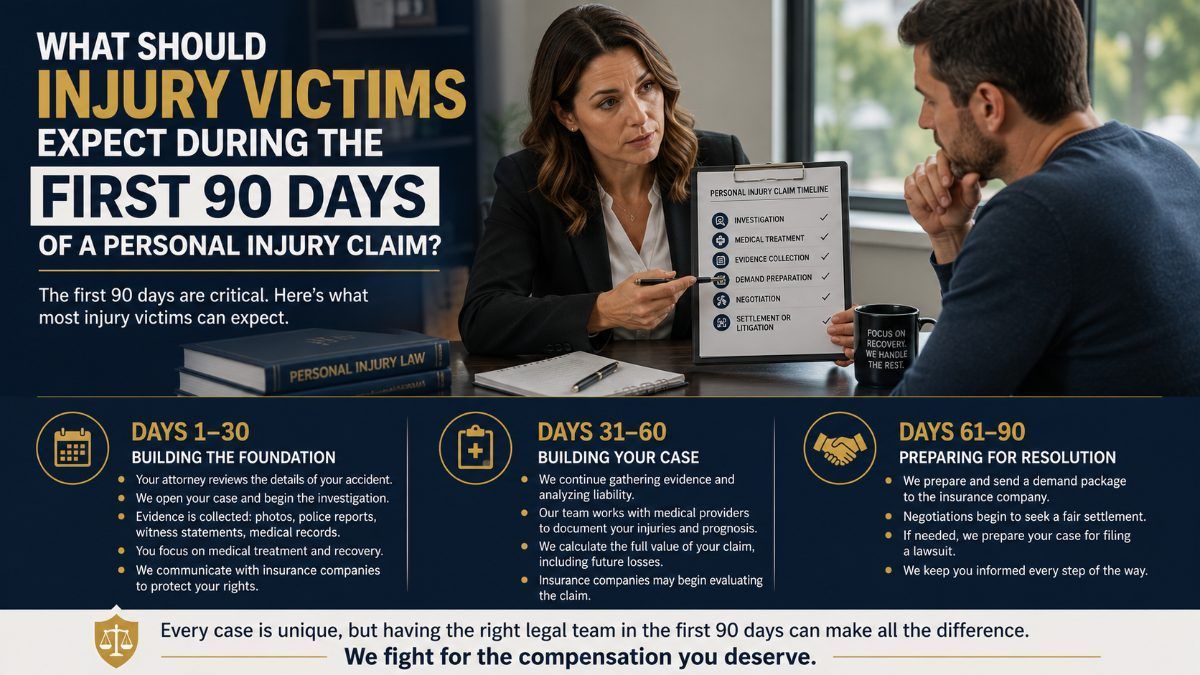
What Must Be Proven in a Washington Personal Injury Case?
Before we discuss specific types of proof, we need to start with the legal foundation.
Under Washington State personal injury law, every claim must establish four elements:
- Duty of care
- Breach of that duty
- Causation
- Damages
In practical terms, we must show that someone had a responsibility to act reasonably, failed to do so, caused your injury, and that you suffered measurable harm.
Every document, photograph, expert opinion, and witness statement must support one or more of those elements. If it does not, it does not move the case forward.
Understanding this structure changes how evidence is gathered and presented.
What Evidence Is Most Critical in a Personal Injury Case in Kent, WA?
There is no single magic document that wins a case. Strong claims are built on layered evidence that works together.
However, certain categories of evidence consistently carry more weight than others.
Why Medical Documentation Is the Cornerstone of Your Case
If I had to identify the most critical evidence in proving a personal injury case in Kent, WA, it would be detailed medical records that clearly connect the injury to the incident.
Medical evidence in personal injury cases serves two key purposes. It proves that you were injured and it establishes that the injury was caused by the accident.
Insurance companies look for weaknesses in this area. They examine:
- Delays in treatment
- Gaps in follow-up care
- Vague physician notes
- Pre-existing conditions
I have seen strong cases weakened because a client waited too long to seek treatment. Even a delay of a few days can create room for doubt.
The most persuasive medical documentation includes:
- Emergency room records from the day of the incident
- Detailed physician evaluations describing how the injury occurred
- Diagnostic imaging such as MRI or CT scans
- Consistent follow-up appointments
- Clear written opinions linking the injury to the event
Causation is everything. Without a medical professional stating that the accident caused the injury, your claim becomes vulnerable.
How Do Police Reports and Incident Reports Strengthen a Claim?
In car accident injury cases in Kent WA, the police report often becomes a central piece of evidence.
While not definitive proof of fault, police reports provide independent third-party documentation. They record statements, scene observations, weather conditions, citations, and preliminary assessments.
Insurance companies take them seriously.
In premises liability cases, such as slip and falls, internal incident reports created by businesses can serve a similar function. They confirm that the event occurred and may reveal whether the property owner had prior notice of a hazardous condition.
Documentation created close in time to the event carries credibility. That timing matters.
What Photographic Evidence Can Make or Break Your Case?
Visual evidence often has more impact than written descriptions.
Clear photographs can show:
- Vehicle damage
- Road debris
- Skid marks
- Broken steps
- Wet floors without warning signs
- Visible bruising or swelling
Jurors and adjusters respond strongly to images because they eliminate guesswork.
If you are wondering how to gather evidence for a personal injury lawsuit with a Kent WA attorney, I always advise clients to take photographs immediately if they are physically able to do so.
Surveillance footage can be even more powerful. However, it must be preserved quickly. Many businesses automatically delete video within days. Acting fast protects your case.
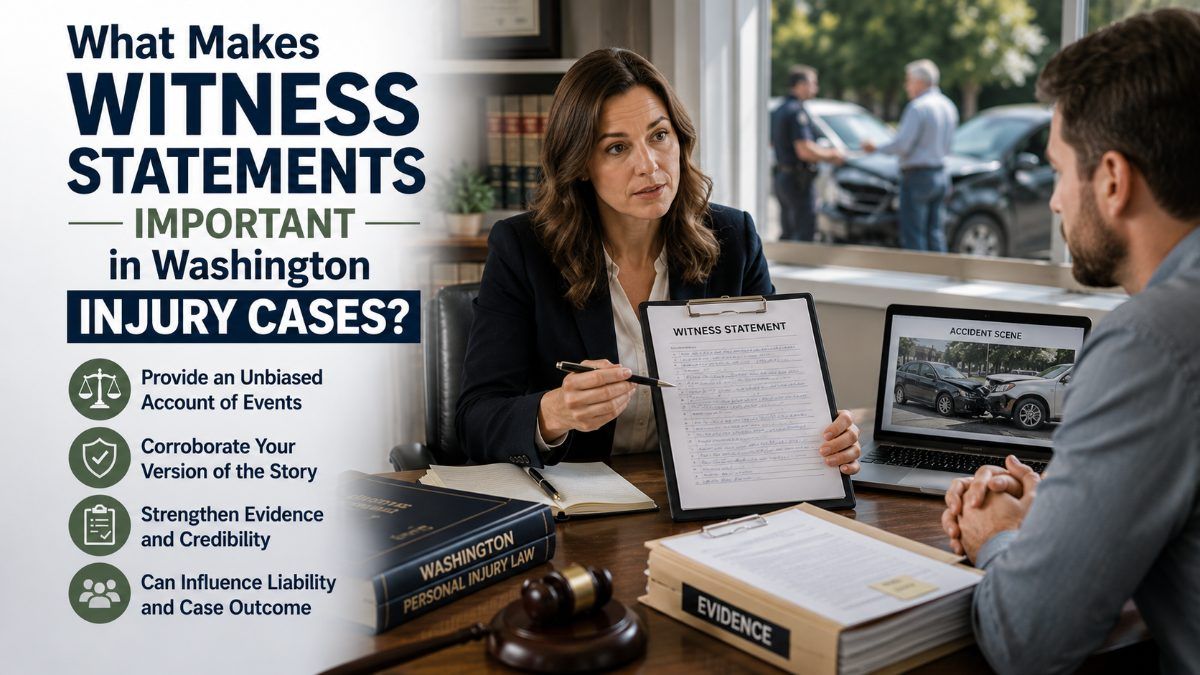
What Role Do Witness Statements Play in Personal Injury Lawsuits?
Independent witnesses add credibility in a way that parties to the case cannot.
When a neutral third party confirms your version of events, it limits the defense’s ability to shift blame.
In intersection collisions, for example, drivers often give conflicting accounts. A witness who confirms that the other driver ran a red light can change the entire trajectory of a claim.
Timing matters here as well. Memories fade. I make it a priority to obtain witness statements early, while details are fresh.
How Does Washington’s Comparative Fault Rule Affect Evidence?
Washington follows a pure comparative negligence rule. This means you can still recover damages even if you are partially at fault.
However, your compensation is reduced by your percentage of responsibility.
Because of this, defense attorneys and insurance companies often attempt to assign partial blame to the injured person.
They may argue that:
- You were distracted
- You were speeding
- You failed to notice a hazard
- You ignored posted warnings
The stronger your evidence, the harder it becomes for them to shift responsibility.
Clear documentation limits speculation.
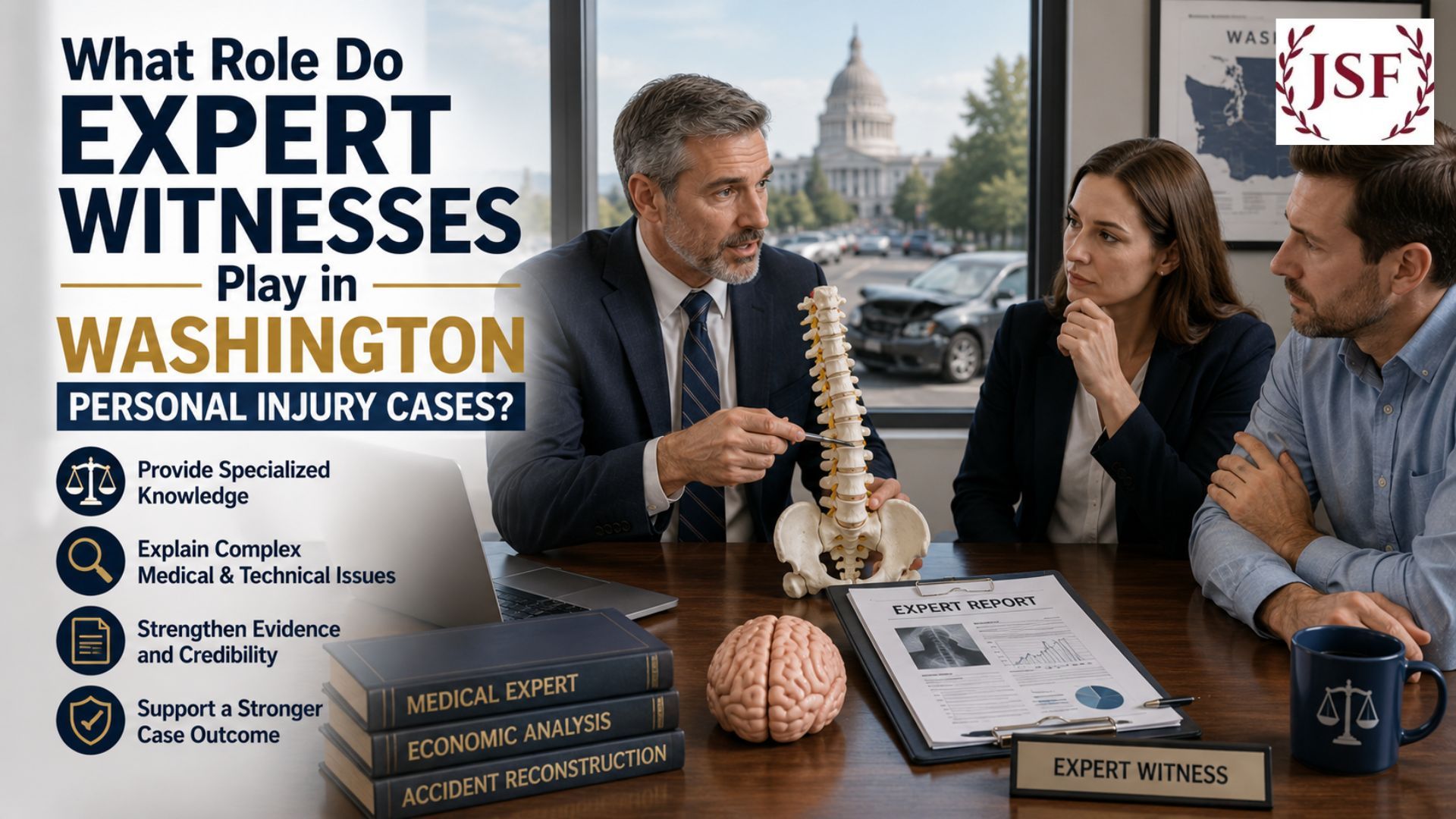
Why Is Expert Testimony Sometimes Necessary?
In more complex cases, especially those involving serious injuries, expert testimony becomes essential.
An accident reconstruction expert can analyze speed, impact angles, and stopping distances. A medical specialist can explain long-term impairment. A vocational expert can assess diminished earning capacity.
Expert testimony transforms technical data into understandable conclusions.
Courts rely on experts to clarify complex issues. Insurance companies evaluate cases based on how persuasive expert testimony may be at trial.
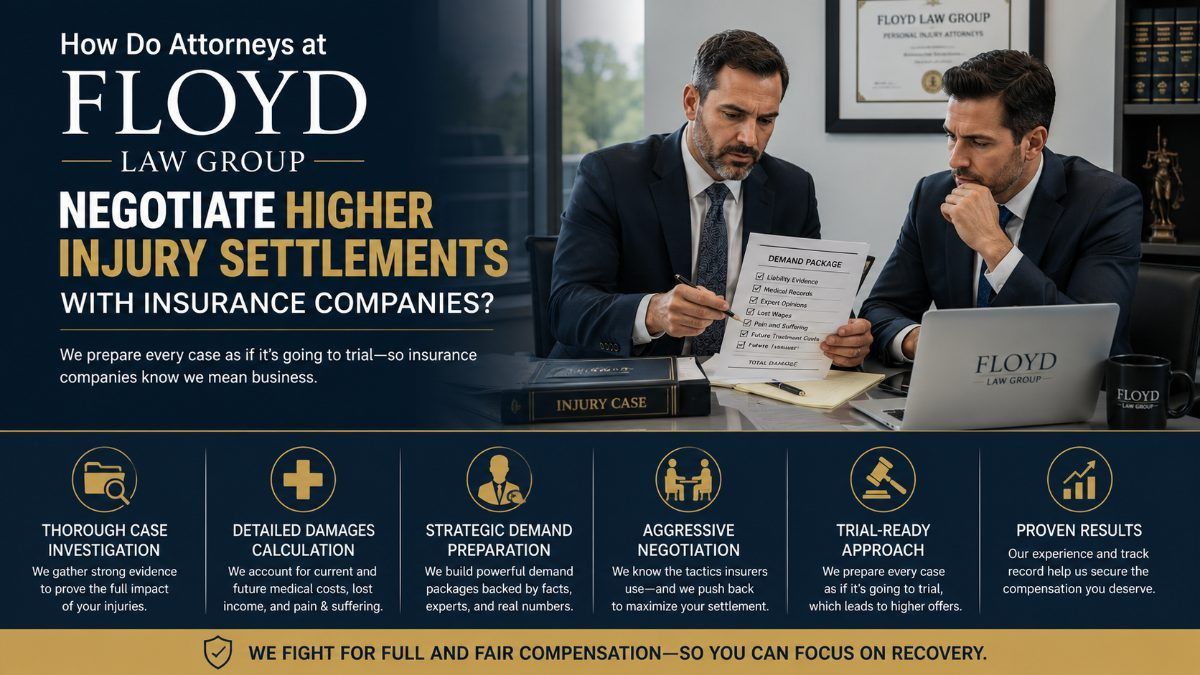
When appropriate, expert involvement strengthens negotiation leverage.
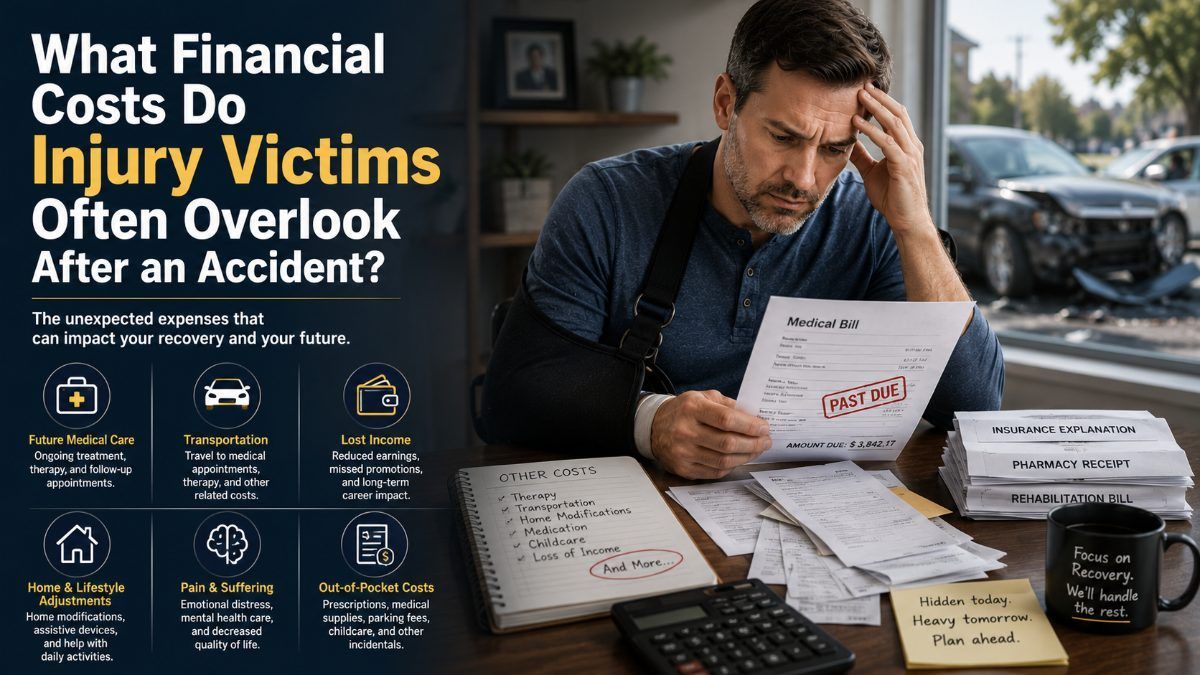
How Do You Prove Financial Damages Beyond Medical Bills?
Personal injury claims are not limited to physical harm. They include financial consequences.
To prove lost wages in Kent WA injury claims, documentation must be precise. That typically includes:
- Employer verification letters
- Pay stubs
- Tax returns
- Medical work restriction notes
If the injury affects your ability to work long term, we may involve economic experts to calculate future losses.
Insurance companies scrutinize financial claims closely. Unsupported estimates are rarely accepted.
Accuracy builds credibility.
What About Nursing Home Injury or Neglect Cases?
For families dealing with nursing home injuries in Kent, WA, evidence can look different.
Critical documentation may include:
- Medical deterioration records
- Bed sore development timelines
- Staffing ratios
- Medication administration logs
- Prior complaint history
Understanding the legal distinction between neglect and abuse is also important. Neglect involves failure to provide adequate care. Abuse involves intentional harm. Both can support a personal injury claim if they result in injury.
In these cases, early investigation is especially important. Facilities may not voluntarily provide damaging documentation.
How Long Do You Have to File a Claim in Washington?
The statute of limitations for most personal injury claims in Washington is three years from the date of injury.
Three years sounds like a long time. It is not.
Evidence disappears. Witnesses relocate. Memories fade. Video is deleted. Records become harder to obtain.
Waiting weakens cases.
Why Experience Matters When Building an Injury Case
Over time, I have learned that successful personal injury cases are not about the volume of paperwork. They are about strategic organization.
Evidence must be consistent. It must support each legal element. It must withstand scrutiny from insurance adjusters, defense counsel, and potentially a jury.
When people search for the best personal injury lawyer in Kent WA, what they truly need is someone who understands how evidence performs under pressure.
Strong cases are constructed carefully. They are built on documentation that aligns with Washington law. And they are presented with clarity and confidence.
If you are navigating a personal injury claim and unsure whether your evidence meets the legal standard, having it reviewed early can prevent mistakes that are difficult to correct later.
Proof is not accidental. It is deliberate.
Frequently Asked Questions
What evidence is needed for a personal injury case in Kent, WA?
At minimum, you need medical records linking the injury to the incident, proof that the event occurred, and evidence demonstrating negligence. Supporting documentation such as witness statements, photographs, and wage verification significantly strengthens the claim.
Can I still recover compensation if I was partially at fault?
Yes. Under Washington’s comparative fault rule, you may recover damages even if you share responsibility. Your compensation will be reduced proportionally to your percentage of fault.
How do I know if my evidence is strong enough?
If your medical documentation clearly connects the injury to the accident, your financial losses are documented, and liability evidence is consistent, your case likely has a solid foundation. An experienced personal injury attorney in Kent WA can evaluate the strength of your evidence early in the process.
(206) 575-7562
(206) 575-7563
Social Media Channels