Can You File a Claim If You Were Partially at Fault in Washington State?

If you were injured in an accident in Kent, WA and believe you may share some responsibility, it is common to feel uncertain about your options. Many people assume that being partially at fault means they cannot recover compensation. In Washington State, that is not the case. The law still allows injured individuals to pursue a claim, even when fault is shared.
Can You Still File a Claim If You Were Partially at Fault?
Yes, Washington follows a pure comparative fault system under RCW 4.22.005. This means you can still file a personal injury claim even if you were partly responsible for the accident. Your ability to recover compensation is not eliminated by shared fault.
Instead:
- You can still recover damages
- Your compensation is reduced based on your percentage of fault
- There is no legal threshold that completely bars recovery
Example:
If your total damages are $100,000 and you are found 30% at fault, you may still recover $70,000.
This rule applies to many personal injury cases in Kent, WA, including
- Car accidents
- Slip and fall injuries
- Pedestrian accidents
- Bicycle collisions
- Other negligence-based injury claims
A key challenge is how fault is assigned. Insurance companies often attempt to increase an injured person’s percentage of fault to reduce the amount they have to pay. This is one of the most important issues in shared fault cases.
How Fault Is Determined and What Evidence Matters
Fault is not based on opinion. It is based on evidence and how the facts of the accident are interpreted.
Common forms of evidence include:
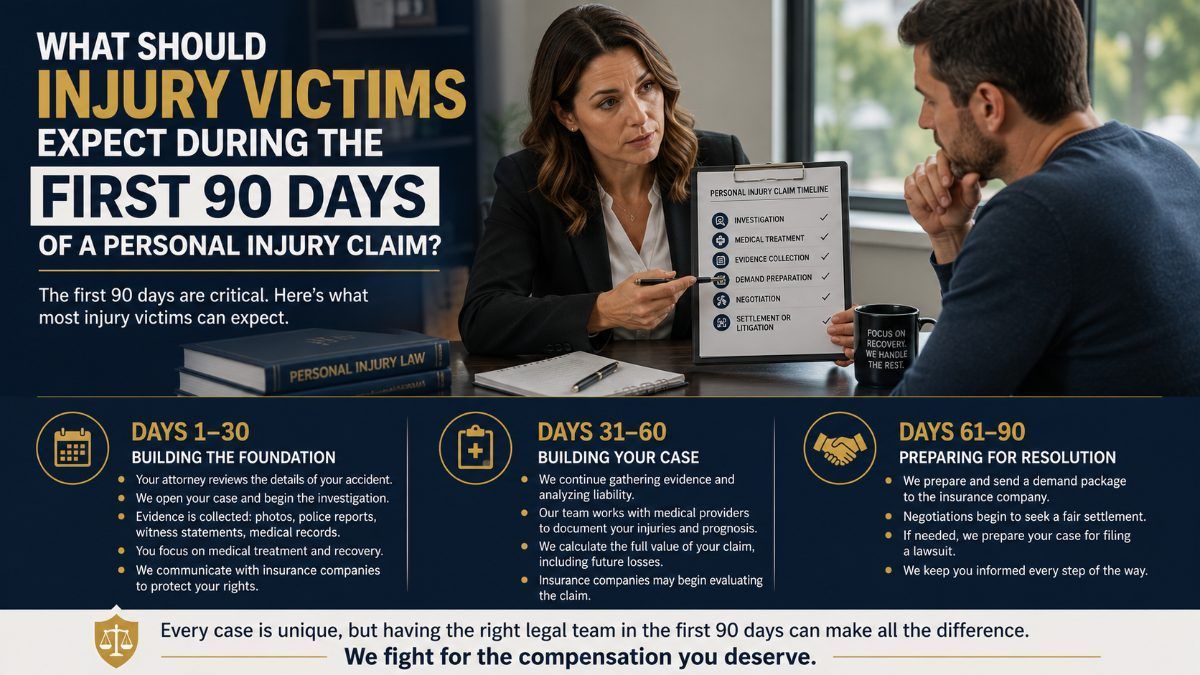
- Police reports and incident reports
- Witness statements and contact information
- Photos and video from the scene
- Medical records linking injuries to the accident
- Vehicle damage assessments
- Expert analysis in more complex cases
In most situations, insurance adjusters make an initial determination of fault. However, this assessment can be challenged if evidence supports a different conclusion. If a dispute continues, the case may ultimately be reviewed through negotiation, arbitration, or court proceedings.
Important evidence considerations:
- Clear documentation can reduce your assigned percentage of fault
- Even small details can influence how liability is divided
- Inconsistent statements can increase disputes about responsibility
- Medical records help connect the injury directly to the incident
Because fault directly affects compensation, how evidence is collected and presented can significantly impact the outcome of a claim.
What to Do After an Accident in Kent, WA
The steps taken immediately after an accident can influence both health outcomes and legal results.
- Seek medical care as soon as possible, even if symptoms seem minor at first
- Document the accident scene, injuries, and any contributing conditions
- Collect witness information whenever available
- Avoid making statements about fault at the scene or to insurance adjusters
- Request official reports when applicable
- Speak with a personal injury attorney in Kent, WA early in the process
One of the biggest risks in shared fault cases is early miscommunication. Even casual comments can sometimes be used to assign a higher percentage of responsibility, which may reduce compensation later.
Why Work With Floyd Law Group in Kent, WA?
Shared fault cases often involve detailed investigations, competing insurance arguments, and disputes over how responsibility should be divided. These cases can become complicated quickly without proper legal guidance.
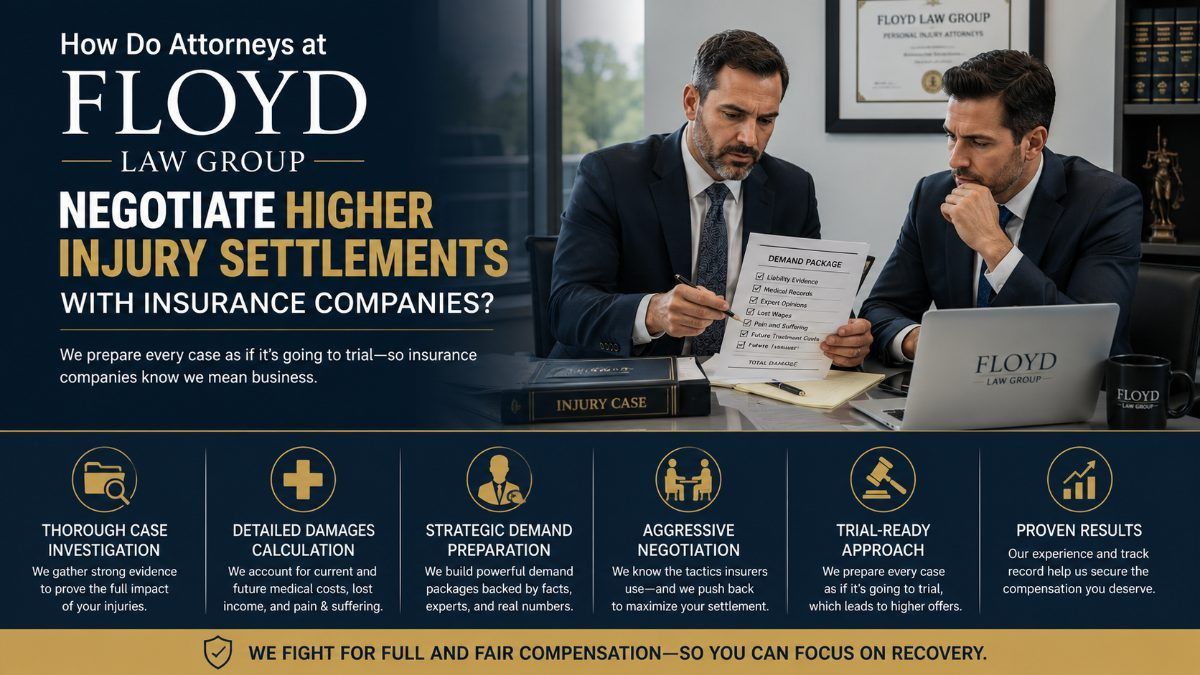
Floyd Personal Injury Law Group works with injury victims in Kent, WA who are dealing with comparative fault situations. Their focus includes reviewing evidence, addressing disputed liability, and ensuring that fault is evaluated fairly based on the facts of the case.
They also help clients understand how Washington’s comparative fault rules apply to their situation and how those rules affect potential compensation. Having local legal support can help prevent unfair blame allocation and ensure the claim is presented clearly to insurance companies.
FAQS
Can I still recover damages if I was mostly at fault?
Yes. Under Washington law, you may still recover compensation even if you are primarily responsible, but your recovery is reduced based on your percentage of fault.
How is fault decided in a personal injury case?
Fault is determined using evidence such as police reports, witness statements, photos, medical records, and other documentation. Insurance companies usually make an initial decision that can be challenged.
Do all personal injury cases go to court?
No. Most cases are resolved through settlement. Court is typically only necessary when there is a serious dispute over fault or compensation.
Why does fault percentage matter so much?
Because your compensation is directly reduced based on your share of responsibility. Even small changes in fault percentage can significantly affect the final payout.
Final Thoughts
You can file a personal injury claim in Washington State even if you were partially at fault. Under RCW 4.22.005, compensation is still available, but it is reduced based on your share of responsibility.
The most important factors in these cases are how fault is assigned and how evidence supports or challenges that assignment. Insurance companies often focus heavily on increasing fault percentages, which can directly impact settlement value.
Taking early action, gathering strong evidence, and understanding how Washington’s comparative fault system works can help protect your claim and improve your outcome.