Injured as a Passenger? Here’s What You Need to Know About Your Rights

April 6, 2026

This is a subtitle for your new post

injured-as-a-passenger-heres-what-you-need-to-know-about-your-rights

Injured as a Passenger? Here’s What You Need to Know About Your Rights


Getting injured in a car accident as a passenger can feel overwhelming and disorienting. You were not in control of the vehicle, yet you may suddenly be dealing with pain, medical treatment, missed work, transportation issues, and pressure from insurance companies asking for statements soon after the crash.

In Kent, WA, many passengers assume things will “sort themselves out” because they were not the driver. Unfortunately, that assumption can lead to missed steps that affect both recovery and compensation. Insurance companies often begin evaluating claims immediately, looking at medical timing, consistency of statements, and available evidence.

Understanding your rights early helps you avoid mistakes that could reduce the value of your personal injury claim or delay your recovery process.

Your Rights as an Injured Passenger in Washington


Passengers are generally not considered responsible for causing a vehicle accident in Washington State. This places you in a strong legal position to pursue compensation for your injuries and related losses.


In many cases, you may be entitled to recover damages such as:

  1. Medical expenses, including emergency care, follow-ups, and rehabilitation
  2. Lost income if your injuries prevent you from working temporarily or long-term
  3. Pain and physical suffering caused by the accident
  4. Emotional distress, anxiety, or trauma following the crash
  5. Future medical needs if injuries require ongoing treatment

Even when fault is shared between multiple drivers, passengers are typically still able to pursue claims. In some situations, more than one insurance policy may apply, depending on how the accident occurred and who contributed to it.

However, insurance companies may still scrutinize passenger claims closely. They may review medical timelines, question injury severity, or attempt to reduce payout amounts. This is why documenting your injuries and seeking timely medical care is important from the beginning.

What To Do and Who Is Responsible

After a passenger injury, one of the most important steps is understanding who may be legally responsible and what actions you should take to protect your claim.


Responsibility in passenger accidents may fall on:

  1. The driver of the vehicle you were riding in
  2. Another driver involved in the collision
  3. Multiple drivers if both contributed to the crash
  4. In rare cases, other parties such as vehicle owners or employers

Because liability can involve more than one party, determining fault often requires investigation, evidence review, and insurance analysis.

What you should do next:

  1. Seek medical attention immediately, even if symptoms are delayed or seem minor
  2. Follow all recommended treatment plans to document your injuries properly
  3. Collect available evidence such as photos, accident details, and witness information
  4. Avoid giving recorded or detailed statements to insurance companies without guidance
  5. Keep a record of symptoms, medical visits, and how the injury affects daily life
  6. Speak with a personal injury attorney in Kent WA as early as possible

These steps are important because early statements or gaps in treatment can sometimes be used by insurance companies to argue that injuries are unrelated or less severe than reported.

How Claims Work and What You Can Recover


Passenger injury claims follow a structured legal and insurance process, but the timeline and outcome depend heavily on the strength of evidence and clarity of liability.

Typical stages include:

  1. Initial consultation and case evaluation
  2. Investigation of the accident and collection of evidence
  3. Communication and negotiation with insurance companies
  4. Settlement discussions or formal legal action if necessary

Most personal injury claims in Washington are resolved through settlement rather than trial, but reaching a fair outcome depends on how well the claim is documented and presented.

Compensation in passenger injury cases may include:

  1. Emergency and ongoing medical expenses
  2. Physical therapy and rehabilitation costs
  3. Lost wages and reduced earning capacity
  4. Pain, suffering, and emotional impact
  5. Long-term care needs for serious injuries

Passenger claims are often stronger than driver claims because fault is usually directed at one or more drivers. However, insurance companies may still attempt to reduce payouts by disputing medical severity, questioning timelines, or minimizing long-term impact.

Strong documentation, consistent medical treatment, and clear legal strategy can significantly improve claim outcomes.

Why Legal Help in Kent WA Makes a Difference

Even though passenger claims may seem straightforward, they can become complex quickly when multiple insurance companies are involved or when liability is disputed between drivers.

Insurance companies are focused on limiting financial exposure, which can affect how your injuries are evaluated and how much compensation is offered. Without proper representation, important details may be overlooked or undervalued.

Working with a car accident attorney in Kent can help you:

  • Understand your rights and the full value of your claim
  • Avoid mistakes when communicating with insurance adjusters
  • Ensure medical records and evidence are properly documented and presented
  • Identify all possible sources of compensation, including multiple insurance policies
  • Reduce stress by handling legal and insurance negotiations on your behalf

Floyd Personal Injury Law Group provides local legal support for injury victims in Kent, WA, helping clients navigate passenger injury claims with a focus on clear communication, evidence-driven strategy, and fair compensation outcomes.

If you are searching for a personal injury lawyer near me in Kent or trying to understand your rights after a passenger accident, early legal guidance can help prevent delays and protect the value of your claim.

FAQs

Can a passenger file a personal injury claim in Washington State?
Yes. Passengers can typically pursue claims against one or more drivers involved in the accident. Claims are usually handled through insurance coverage rather than out-of-pocket payment from individuals.

What if multiple drivers are responsible for the accident?
You may still file a claim even if more than one driver contributed to the crash. In some cases, multiple insurance policies may be involved in covering your damages.

Do I need a lawyer for a passenger injury claim?
While it is possible to file a claim on your own, legal support can help ensure your injuries are properly documented, your rights are protected, and your compensation is not undervalued by insurance companies.

How long do passenger injury claims take?
The timeline varies depending on medical recovery, insurance negotiations, and case complexity. Claims with clear liability and strong documentation often resolve more efficiently.

Final Thoughts

Being injured as a passenger can create uncertainty, stress, and financial pressure, especially when dealing with medical treatment and insurance companies at the same time.

Although passengers are rarely at fault, claims can still become complicated when liability is shared or disputed between multiple drivers or insurers.

Taking early action, seeking medical care, and understanding your legal rights are key steps in protecting your claim and improving your chances of fair compensation.

With the right guidance, you can focus on recovery while ensuring your case is properly handled and your rights are fully protected.




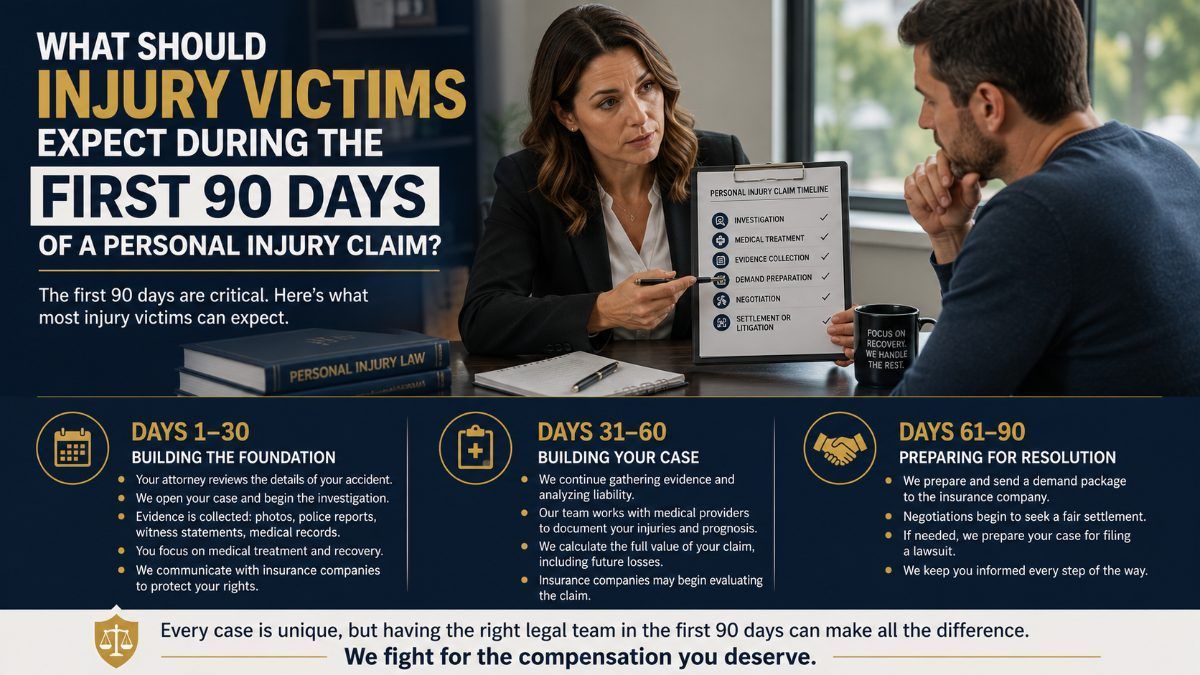
What Should Injury Victims Expect During the First 90 Days of a Personal Injury Claim
By jeff August 28, 2026
What Should Injury Victims Expect During the First 90 Days of a Personal Injury Claim
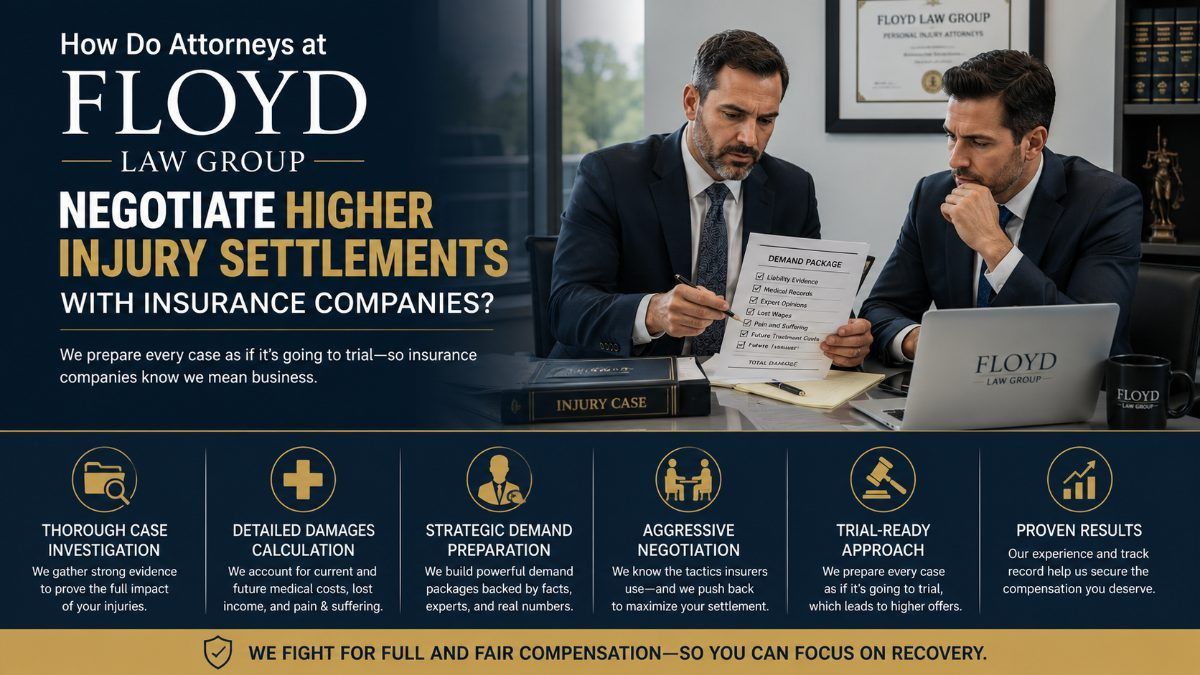
How Do Attorneys at Floyd Law Group Negotiate Higher Injury Settlements With Insurance Companies
By jeff August 21, 2026
How Do Attorneys at Floyd Law Group Negotiate Higher Injury Settlements With Insurance Companies
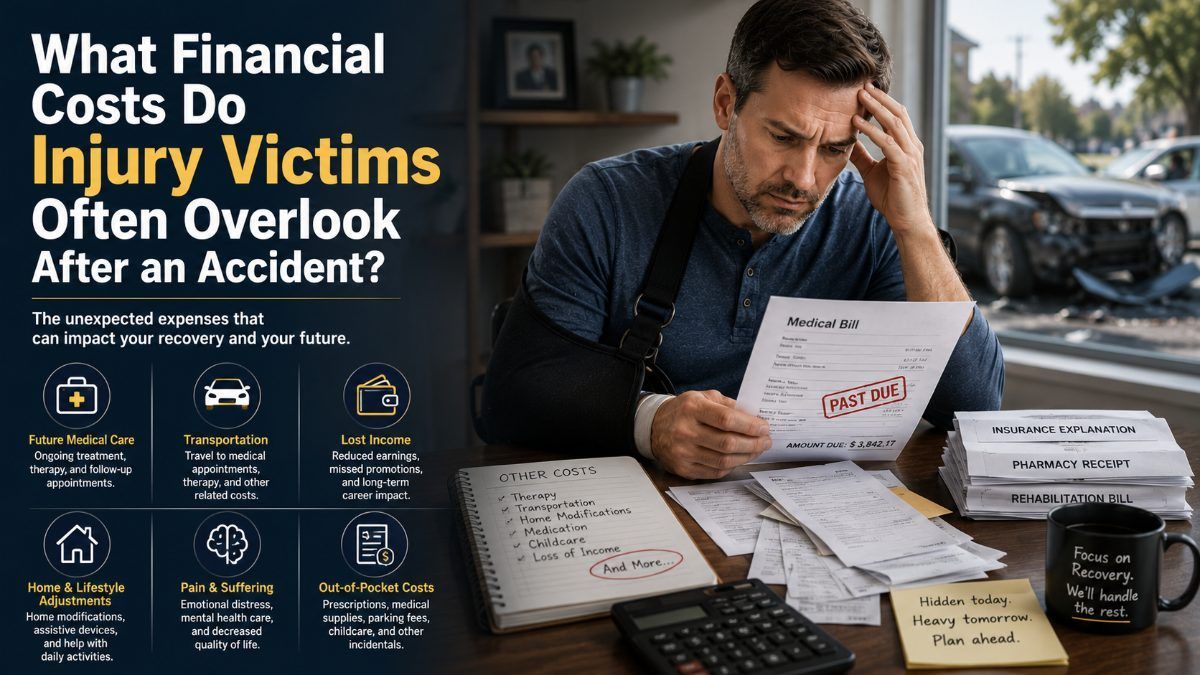
What Financial Costs Do Injury Victims Often Overlook After an Accident
By jeff August 14, 2026
What Financial Costs Do Injury Victims Often Overlook After an Accident
What Makes Witness Statements Important in Washington Injury Cases
By jeff August 7, 2026
What Makes Witness Statements Important in Washington Injury Cases
What Happens When Witness Statements Conflict in a Personal Injury Case
By jeff July 28, 2026
What Happens When Witness Statements Conflict in a Personal Injury Case
What Role Do Expert Witnesses Play in Washington Personal Injury Cases
By jeff July 17, 2026
What Role Do Expert Witnesses Play in Washington Personal Injury Cases
How Are Pain and Suffering Damages Calculated in Washington Personal Injury Cases
By jeff July 10, 2026
Introduction After a serious personal injury accident, financial losses are often easier to calculate than the personal impact of the injury itself. Medical bills, lost wages, and property damage can typically be documented through receipts and records. However, pain, emotional distress, anxiety, and reduced quality of life do not come with fixed dollar amounts, making them more complex to evaluate. In Washington personal injury cases, pain and suffering damages are classified as non-economic damages. These damages focus on the physical discomfort and emotional consequences of an injury rather than direct financial losses. Because these damages are subjective, insurance companies and attorneys may evaluate them differently. Understanding how pain and suffering is assessed can help injured individuals better understand how settlement negotiations and case evaluations are approached. What Are Pain and Suffering Damages? Compensation for physical and emotional harm Pain and suffering damages are intended to compensate injured individuals for the non-financial effects of an accident. These may include: Physical pain and discomfort Emotional distress Anxiety or depression Trauma or PTSD symptoms Sleep disruption Loss of enjoyment of life Reduced mobility Chronic pain Permanent disability Loss of independence These damages are separate from economic losses such as: Medical expenses Lost wages Rehabilitation costs Property damage What is pain and suffering worth? There is no fixed formula or guaranteed amount for pain and suffering in Washington personal injury cases. The value depends on factors such as injury severity, recovery duration, emotional impact, and how the injury affects daily life and long-term functioning. Why Pain and Suffering Is Difficult to Calculate The impact varies from person to person Pain is inherently subjective. Two individuals with similar injuries may experience very different outcomes depending on physical condition, lifestyle, emotional resilience, and recovery progress. Because of this variability, attorneys and insurance companies evaluate pain and suffering using multiple forms of evidence rather than a single measurement. Serious injuries typically increase compensation value Pain and suffering damages are generally higher in cases involving: Permanent disability Chronic pain conditions Significant mobility limitations Long-term or ongoing treatment Emotional trauma Disfigurement or scarring Loss of normal daily activities The greater the disruption to a person’s life, the more significant the potential non-economic damages may be. Common Methods Used to Estimate Pain and Suffering Multiplier Method A widely used valuation approach One common method used during settlement discussions is the multiplier method. This approach begins with total economic damages and applies a multiplier based on injury severity. The general structure includes: Calculating total economic damages Applying a multiplier based on case factors Typical multipliers may range from: 1.5 for minor injuries 3 to 5 for serious injuries Higher values for catastrophic injuries Factors that influence the multiplier Length of recovery Severity of pain Permanent limitations Emotional distress Impact on work ability Future medical needs More severe or permanent injuries typically justify higher multipliers during negotiations. Per Diem Method Assigning a daily value to suffering Another approach sometimes used is the per diem method, which assigns a daily monetary value to pain and suffering and multiplies it by the recovery period. This method assumes that each day of recovery carries a measurable level of physical and emotional hardship. No fixed daily rate exists The daily value varies significantly depending on: Injury severity Treatment intensity Emotional distress Physical limitations Duration of recovery This method is used less frequently but may still appear in settlement discussions or arguments. Factors That Influence Pain and Suffering Compensation Key considerations in case evaluation Several factors influence how non-economic damages are assessed: Severity of injuries Length of recovery Permanent physical limitations Need for surgery or invasive treatment Chronic pain symptoms Emotional distress Impact on relationships Loss of independence Inability to participate in activities Visible scarring or disfigurement Long-term effects carry greater weight Cases involving long-term or permanent injuries often result in higher pain and suffering evaluations because the effects extend far beyond initial recovery. Emotional Distress and Mental Health Effects Psychological impact is part of non-economic damages In addition to physical injuries, many accident victims experience emotional and psychological challenges. These may include: Anxiety Depression PTSD symptoms Sleep disturbances Fear of driving or travel Mood changes Social withdrawal These effects can significantly impact daily life, work performance, and relationships. How emotional damages are evaluated Emotional distress is typically assessed using: Therapy or counseling records Mental health evaluations Medical documentation Lifestyle changes Consistent symptom reporting Evidence Used to Support Pain and Suffering Claims Documentation strengthens non-economic damages Pain and suffering claims rely heavily on supporting evidence that demonstrates how the injury affects daily life. Common evidence includes: Medical records Pain management documentation Physical therapy notes Prescription history Mental health treatment records Personal pain journals Photographs of injuries Family or witness testimony Expert medical opinions Consistency strengthens credibility Insurance companies often compare: Medical documentation Treatment history Work restrictions Public activity levels Statements made during treatment Consistency across these areas is an important factor in claim evaluation. How Insurance Companies Evaluate and Challenge Claims Subjective damages are often disputed Insurance companies may carefully evaluate pain and suffering claims because they are not easily measured with financial documentation. They may question: Whether symptoms are ongoing Whether injuries are related to the accident Whether treatment was necessary Whether daily activities are affected In some cases, insurers may also review public social media content or surveillance information if available. Invisible injuries may face additional scrutiny Conditions such as: Whiplash Soft tissue injuries Nerve irritation Chronic pain syndromes may be more closely reviewed because they do not always appear clearly on imaging tests. Washington Comparative Fault Rule Shared responsibility may reduce compensation Washington follows a comparative fault system. If an injured person is found partially responsible for an accident, compensation may be reduced proportionally. For example: If a person is 20% at fault Their total compensation is reduced by 20% This applies to both economic and non-economic damages. How Floyd Personal Injury Law Group Helps With Pain and Suffering Claims Case evaluation requires detailed documentation Assessing pain and suffering involves understanding how an injury affects physical health, emotional well-being, and daily functioning. Floyd Personal Injury Law Group assists clients by: Organizing medical records Reviewing emotional distress documentation Evaluating lifestyle impact Addressing insurance disputes Assessing long-term limitations and recovery needs Strong documentation is especially important in serious or long-term injury cases. Evidence Commonly Used in These Cases Attorneys may rely on multiple forms of supporting evidence, including: Medical records Therapy or counseling documentation Pain journals Family testimony Photographic evidence Expert medical opinions Rehabilitation records Documentation of daily limitations Together, this evidence helps demonstrate the real-life impact of an injury. Frequently Asked Questions What is pain and suffering worth in Washington personal injury cases? There is no fixed value. It depends on injury severity, recovery time, emotional impact, and long-term effects on daily life. How do attorneys calculate pain and suffering? Attorneys typically use case facts, medical records, emotional impact evidence, and valuation methods such as the multiplier or per diem approach. Are pain and suffering damages separate from medical bills? Yes. Pain and suffering are non-economic damages and are separate from financial losses like medical expenses and lost wages. Do insurance companies challenge pain and suffering claims? Yes. These damages are subjective, so insurers may question severity, duration, or connection to the accident. Can chronic pain increase compensation? Yes. Chronic pain and long-term limitations may increase non-economic damage evaluations. Can emotional distress be included in a personal injury claim? Yes. Emotional distress, anxiety, depression, and trauma may all be considered part of non-economic damages in Washington personal injury cases. Final Thoughts Pain and suffering damages represent the human impact of a personal injury beyond financial losses. These damages account for physical pain, emotional distress, and changes to daily life that often continue long after medical treatment begins. Because these damages are subjective, attorneys and insurance companies evaluate them using multiple factors such as injury severity, recovery time, emotional impact, and long-term limitations. Strong medical documentation and consistent evidence of lifestyle changes play an important role in supporting these claims.  For injured individuals in Kent, WA, understanding how pain and suffering damages are evaluated can provide clarity during settlement negotiations and help set realistic expectations in a personal injury case.
What Happens if an Injury Victim Has a Pre-Existing Medical Condition
By jeff July 3, 2026
What Happens if an Injury Victim Has a Pre-Existing Medical Condition
Can Everyday Activities Be Misinterpreted During a Personal Injury Investigation
By jeff June 26, 2026
Can Everyday Activities Be Misinterpreted During a Personal Injury Investigation
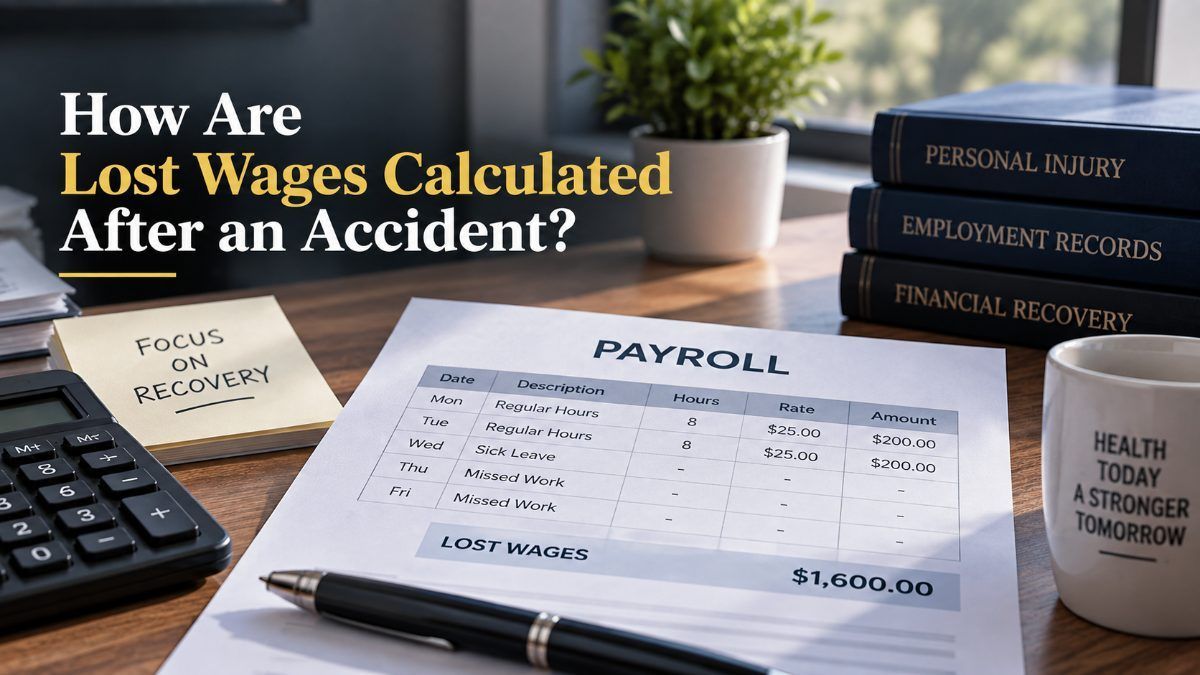
Can You Recover Compensation for Missed Work After Personal Injury in Washington?
By jeff June 19, 2026
A serious injury can affect far more than physical health. Many injured individuals are forced to miss work while attending medical appointments, recovering from procedures, or managing physical limitations that make returning to their job difficult. Even a short absence from work can quickly create financial pressure when bills, household expenses, and ongoing medical costs continue to accumulate. In Washington personal injury cases, compensation may include income lost because of the injury. These financial damages are separate from pain and suffering because they focus specifically on how the injury affected a person’s ability to earn money during recovery. In more serious cases, injuries may also reduce future earning potential long after the accident itself. For individuals in Kent, WA, understanding how lost wage claims are calculated, documented, and challenged by insurance companies can help strengthen the overall credibility of a personal injury case. What Are Lost Wages in a Personal Injury Claim? Lost wages involve income missed during recovery When injuries prevent someone from working, they may be able to pursue compensation for the income they would likely have earned if the accident had not occurred. Lost wage claims may include: Missed hourly wages Salary income Overtime pay Bonuses Commissions Used sick leave Vacation time used during recovery Self-employment income losses These damages are considered economic losses because they involve measurable financial harm connected to the injury. Can I get paid for missed work after injury? Yes. In many Washington personal injury claims, injured individuals may recover compensation for work income lost because their injuries prevented them from performing normal job duties. Several factors often affect eligibility, including: Injury severity Medical restrictions Length of recovery Employment records Proof connecting the injury to missed work Clear documentation is usually important when pursuing these damages. How Lost Wages Are Calculated Multiple records are often reviewed Attorneys and insurance adjusters typically evaluate several types of financial and employment records when calculating lost income damages. Common factors include: Hourly pay rate Salary history Average weekly hours Missed workdays Overtime history Bonuses or commissions Recovery timeline For self-employed individuals, calculations may involve: Tax returns Business records Invoices Client contracts Profit and loss statements The goal is generally to estimate how much income would likely have been earned if the injury had not interrupted employment. How are lost wages calculated? Lost wages are usually calculated by reviewing how much income the injured person would reasonably have earned during the recovery period. For example: Hourly workers may calculate income based on missed shifts or hours Salaried employees may calculate compensation based on missed pay periods Self-employed individuals may use financial records to show reduced business income Accurate employment documentation often becomes one of the most important parts of a lost wage claim. Why Medical Documentation Matters Medical records help support missed work claims Insurance companies often require proof showing that injuries directly prevented someone from working safely or performing normal job duties. Medical providers may document: Physical limitations Recovery timelines Work restrictions Temporary disability status Inability to perform certain tasks Without medical support, adjusters may argue that missed work was unnecessary or unrelated to the injury. Common work restrictions after personal injury Depending on the injury, restrictions may include: No heavy lifting Limited standing or walking Reduced driving Limited repetitive movement Restricted physical activity Reduced work hours These limitations can affect both physically demanding jobs and office-based work environments. Lost Wages vs. Lost Earning Capacity These damages involve different types of financial loss Many people assume lost wages and lost earning capacity mean the same thing, but they address different financial problems. Lost wages involve: Income already missed during recovery Lost earning capacity involves: Reduced future earning ability caused by long-term injuries For example, someone who cannot return to the same profession because of permanent physical limitations may pursue compensation for future income losses. Long-term injuries may affect future employment Serious injuries sometimes lead to: Career changes Reduced work hours Lower-paying positions Permanent disability Inability to return to physical labor When injuries affect future employment opportunities, additional economic damages may become part of the claim. How Insurance Companies Challenge Lost Income Claims Financial losses are often reviewed carefully Insurance carriers frequently examine lost wage claims closely before agreeing to compensation amounts. Adjusters may question: Whether all missed work was medically necessary The accuracy of overtime estimates Self-employment income calculations Future earning loss projections Whether someone could have returned to work sooner Because of this, strong documentation often becomes extremely important. Self-employed workers may face additional scrutiny Self-employed individuals sometimes face greater challenges proving lost income because earnings can vary from month to month. Helpful documentation may include: Tax filings Accounting records Bank statements Contracts Client communications Business invoices Detailed financial records may help support claim credibility during negotiations. Other Financial Losses Related to Missed Work Economic damages may extend beyond regular paychecks A personal injury can create additional work-related financial losses beyond ordinary wages. Some injury compensation claims may also involve: Missed business opportunities Lost commissions Missed freelance projects Reduced bonuses Lost employment benefits Retirement contribution losses These financial losses sometimes become significant in serious injury cases involving extended recovery periods. How Legal Guidance Can Help With Lost Wage Claims Organized documentation may strengthen compensation claims Lost income disputes often involve both medical evidence and financial documentation. Insurance companies may request extensive records before evaluating compensation. Floyd Personal Injury Law Group helps injured individuals understand how lost wage damages are reviewed in Washington personal injury cases. Legal guidance may help clients: Organize employment records Document missed workdays Address insurance disputes Calculate future earning losses Support economic damage claims Careful preparation often becomes especially important when substantial income losses are involved. Common Mistakes That Can Hurt Lost Wage Claims Certain issues may weaken a claim Several common mistakes can create complications during a lost wage dispute: Failing to obtain medical work restrictions Returning to work too early against medical advice Missing treatment appointments Keeping incomplete employment records Poorly documenting self-employment income Giving inconsistent statements about work limitations Maintaining organized medical and financial records throughout the injury recovery process may help reduce unnecessary disputes later. Frequently Asked Questions Can I get paid for missed work after injury? Yes. Injured individuals may pursue compensation for income lost because their injuries prevented them from working during recovery. How are lost wages calculated in Washington personal injury claims? Lost wages are typically calculated using employment records, missed work time, pay history, and medical documentation supporting the inability to work. What proof is needed for lost wage claims? Common evidence includes doctor work restrictions, pay stubs, employer letters, tax returns, attendance records, and business income documentation. Can self-employed workers recover lost income after an injury? Yes. Self-employed individuals may pursue compensation, although additional financial records are often needed to prove reduced earnings. What is the difference between lost wages and lost earning capacity? Lost wages involve income already missed during recovery, while lost earning capacity refers to future income limitations caused by long-term injuries. Can insurance companies dispute missed work claims? Yes. Insurance companies may question whether missed work was medically necessary or whether income losses are fully supported by documentation. Final Thoughts Missing work after a serious injury can create immediate financial stress for injured individuals and their families. Medical treatment, physical limitations, and recovery time may prevent someone from returning to work for days, weeks, or even permanently in more severe cases. In Washington personal injury claims, compensation for lost wages may help address income missed during recovery as well as future earning limitations caused by long-term injuries. Insurance companies often review these claims carefully, which is why medical documentation, employment records, and financial evidence frequently play a major role in proving economic damages. For individuals in Kent, WA, understanding how lost wage claims work may help strengthen the overall accuracy and credibility of a personal injury case while ensuring important financial losses are properly documented.