What to Do After a Car Accident in Kent WA: Key Steps Now
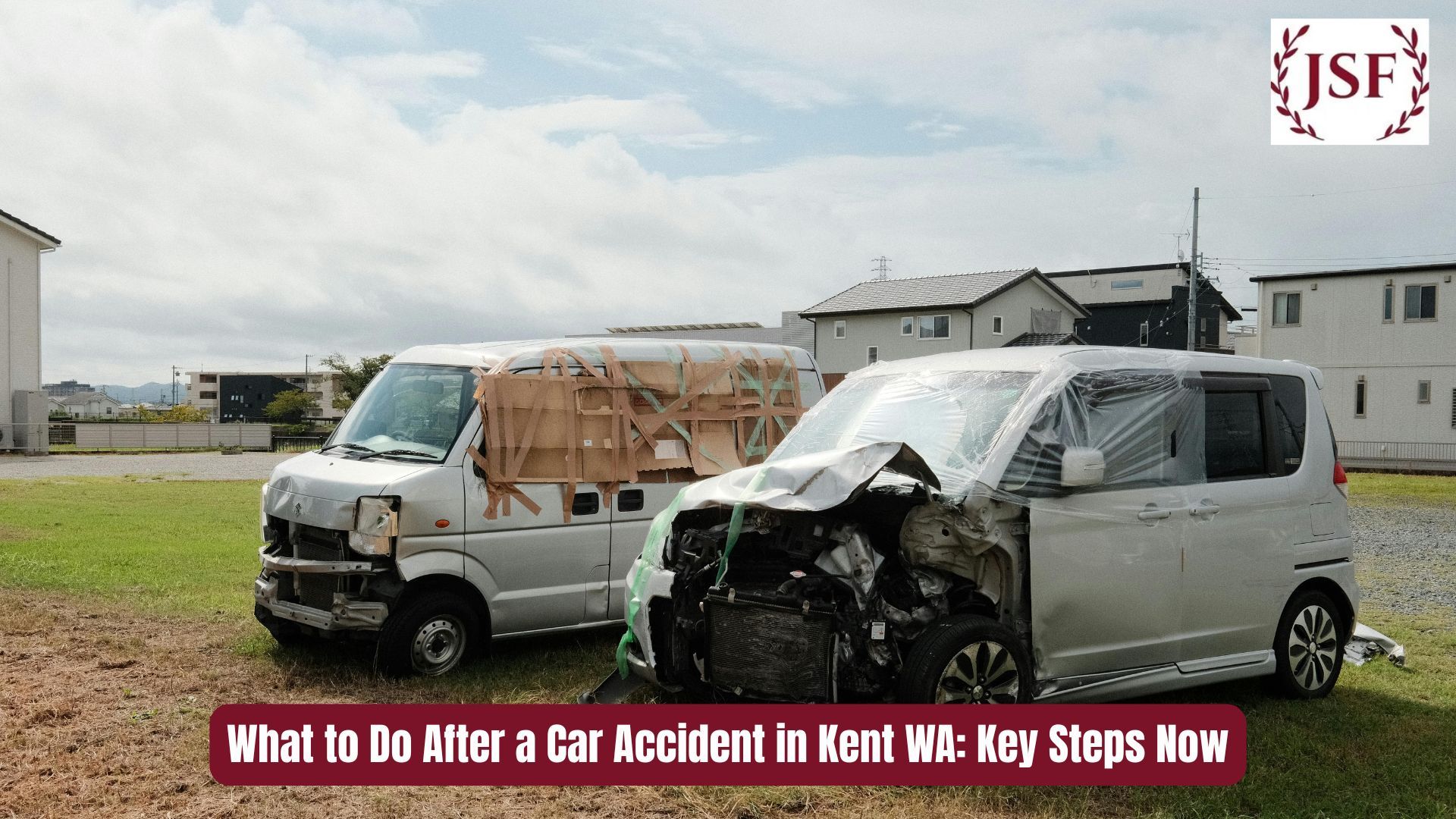
A car accident in Kent, WA can happen in seconds, but the confusion, stress, and physical impact can last much longer. In many cases, people are unsure what to do first, especially when injuries, vehicle damage, and insurance calls all happen at once. The decisions you make right after the crash can influence your health, recovery process, and how your personal injury claim is evaluated later. Even accidents that seem minor at first can develop complications over time.
Because of this, early actions matter more than most people realize.
Immediate Steps After a Car Accident in Kent WA
This section explains what to do right after the crash to protect your safety and create a clear record of what happened.
Focus on safety and reporting the accident
The first priority is making sure everyone is safe and emergency help is contacted if needed. Staying calm can help you make better decisions in a stressful moment.
- Check yourself and others for injuries
- Call emergency services if anyone is hurt or unsure about injuries
- Move vehicles to a safe area if possible
- Turn on hazard lights to warn other drivers
- Stay at the scene until police arrive
Why this matters
These early actions create an official foundation for your case.
- A police report provides an unbiased record
- Helps confirm time, location, and basic facts
- Reduces conflicting stories later between drivers or insurers
- Supports insurance and legal claims
Why Medical Attention Should Come First
This section explains why medical care is important even when injuries are not immediately obvious.
Get evaluated as soon as possible
Some injuries are delayed or masked by adrenaline after a crash. You may feel fine at first, but symptoms can appear hours or days later.
- Visit urgent care, emergency room, or a doctor
- Follow all recommended treatment plans carefully
- Attend all follow-up visits and referrals
- Report every symptom, even if it seems minor
Why this protects your claim
Medical records are one of the most important parts of a personal injury case.
- Establishes a clear connection between crash and injury
- Helps prevent disputes about when injuries started
- Documents progression and severity of symptoms
- Strengthens your personal injury claim overall
Without early care, insurance companies may argue your injuries are unrelated or less serious than reported.
How to Document the Accident Properly
This section focuses on gathering evidence that can help support your claim later.
Gather information at the scene
If you are physically able, collecting details immediately after the crash is very helpful.
- Take photos of all vehicles involved
- Capture damage from multiple angles
- Photograph road conditions, traffic lights, and signs
- Record visible injuries if safe to do so
Collect supporting details
Additional information can strengthen your case during insurance review or legal evaluation.
- Get witness names and contact details
- Request a copy of the police report
- Exchange insurance and driver information
- Save repair estimates and invoices
- Keep all medical documentation and receipts
Why documentation matters
Good documentation helps create a clearer picture of what happened.
- Reduces disputes about fault
- Supports injury claims with evidence
- Helps clarify details if memories differ later
How Insurance Companies Handle Claims
This section explains what typically happens after you file a claim and why timing matters.
Early contact from insurers
Insurance companies often reach out very quickly after an accident, sometimes within hours or days.
- Request recorded or written statements
- Ask detailed questions about the crash
- Look for inconsistencies in your story
- Offer early settlement payments
- Review your medical records and history
Why caution is important
Early communication can affect your claim outcome even if you are honest.
- Statements may be taken out of context
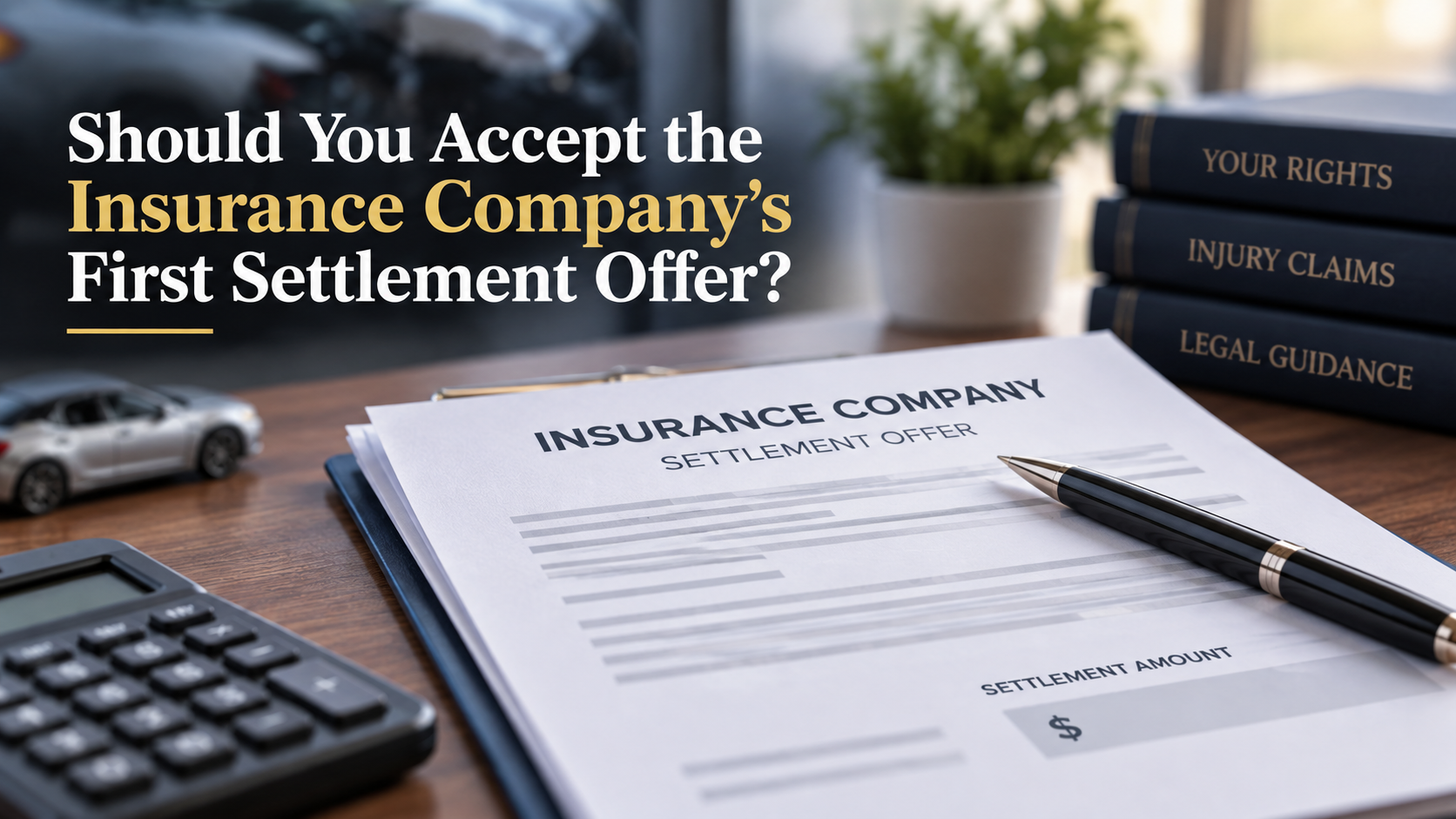
- Early settlement offers may not cover future treatment
- Missing details can weaken your claim
- Anything said can be used during claim evaluation
Many people later realize they agreed to less compensation than their injury required.
Common Mistakes That Can Hurt Your Claim
This section highlights mistakes that can unintentionally reduce compensation or delay claims.
Mistakes to avoid
Small actions after an accident can have long-term consequences.
- Delaying medical treatment or follow-up care
- Assuming injuries will resolve without care
- Admitting fault too quickly at the scene
- Posting accident details on social media
- Skipping appointments or ignoring treatment plans
Why these matter
Insurance companies often look for gaps or inconsistencies.
- Treatment gaps may suggest injuries are minor
- Social media posts can be misinterpreted
- Inconsistent records reduce claim credibility
- Missed care weakens medical evidence
How Fault Works in Washington State
This section explains how responsibility is determined and how it affects compensation.
Understanding shared fault
Washington uses a comparative fault system, which means responsibility can be divided among multiple parties.
- Police reports help establish initial findings
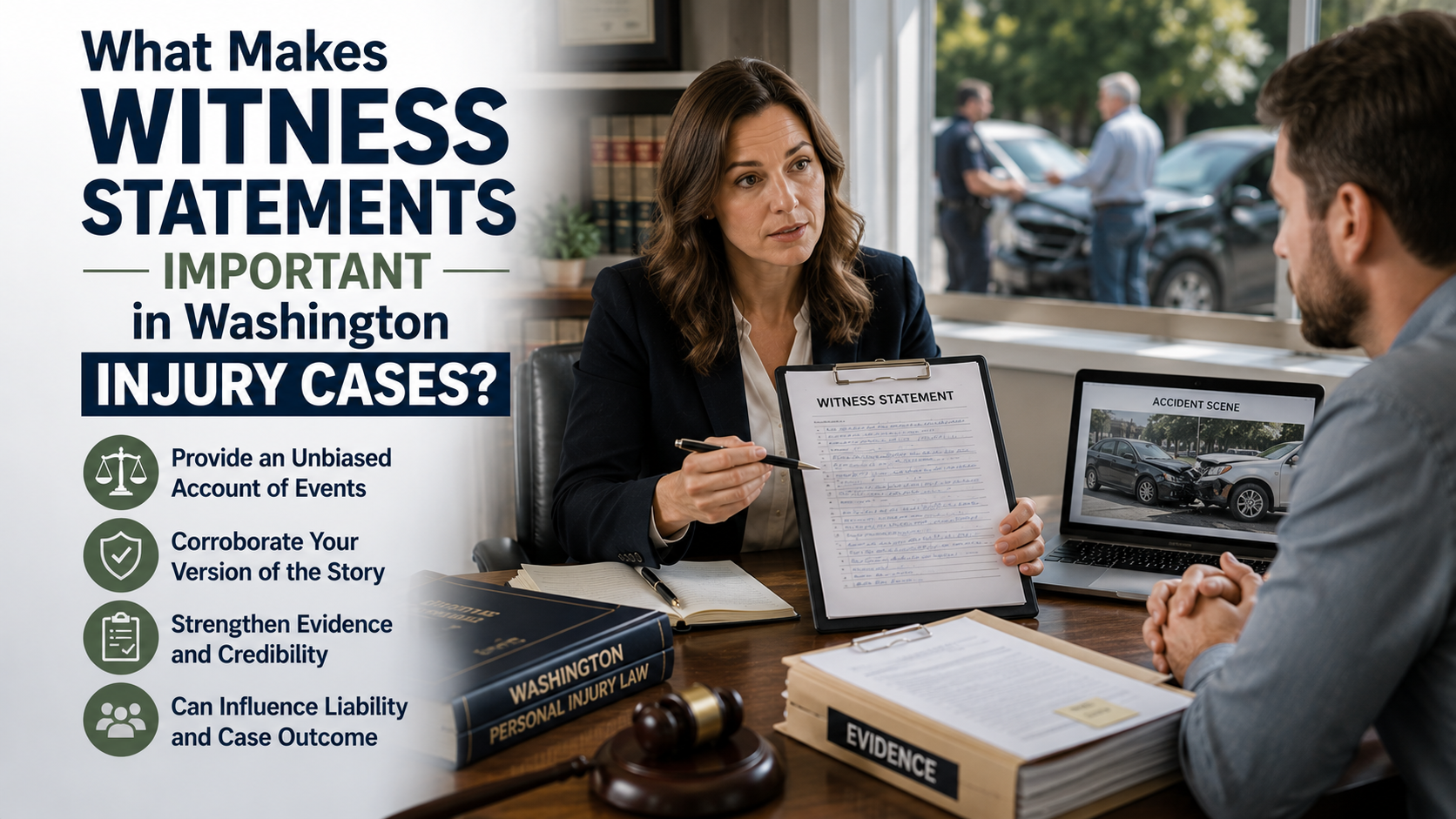
- Witness statements add context
- Physical evidence supports conclusions
- Insurance companies conduct independent reviews
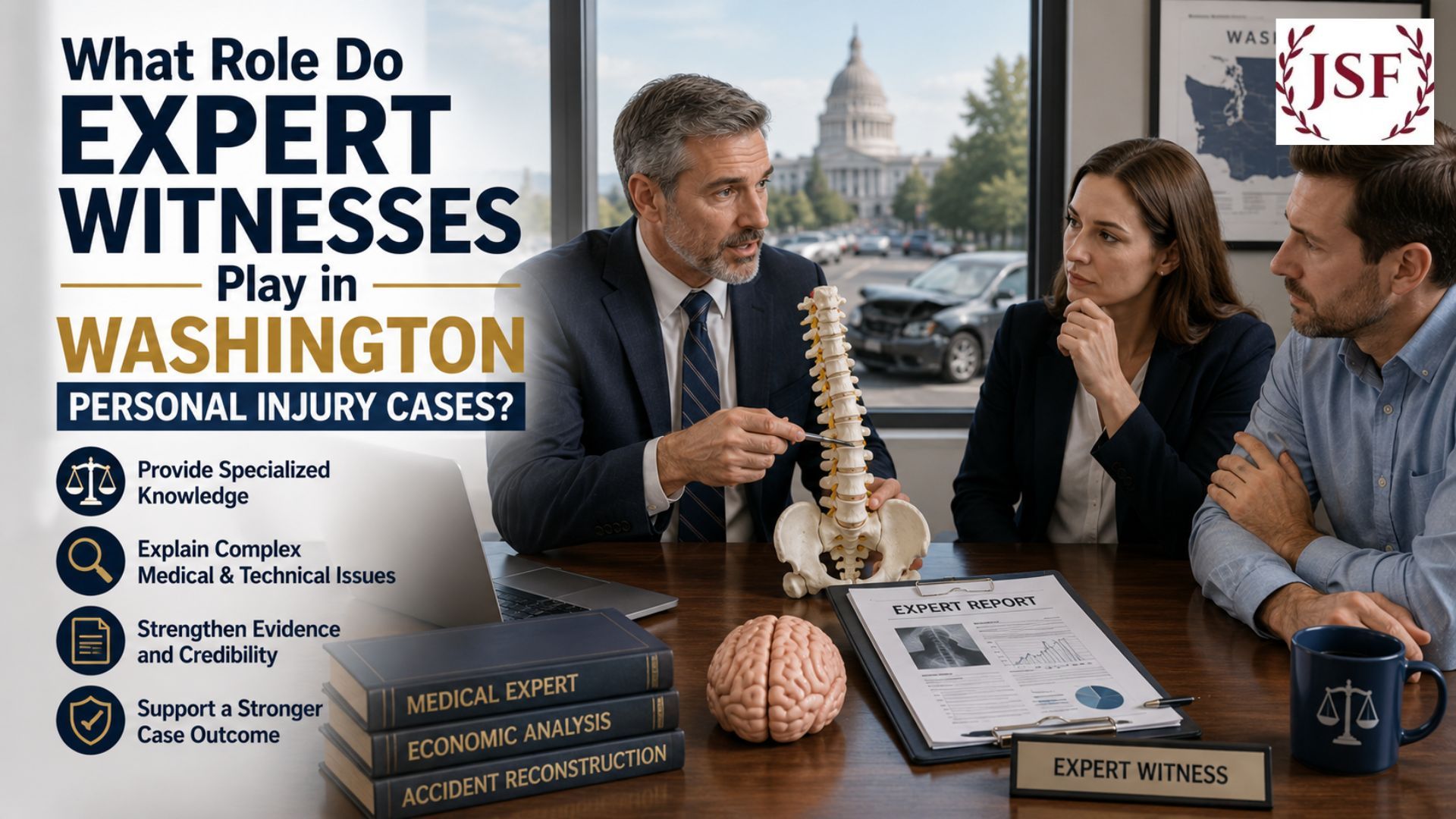
- Legal teams may analyze accident reconstruction
Key points about compensation
Even if you are partially responsible, you may still recover damages.
- Compensation is reduced based on fault percentage
- More than one party can share responsibility
- Insurance companies often dispute fault assignments
- Evidence plays a major role in outcomes
Because fault directly affects compensation, accurate documentation is important.
When to Contact a Personal Injury Attorney in Kent WA
This section explains when legal guidance can help and why early support matters.
When legal support may help
Some accident situations become more complex than expected.
- Injuries require ongoing medical treatment
- Fault is unclear or disputed
- Insurance delays or denies parts of your claim
- Settlement offers do not reflect your losses
How Floyd Personal Injury Law Group helps
Having local guidance can make the process easier to understand and manage.
- Explains your rights in simple, clear language
- Communicates directly with insurance companies
- Organizes medical records and evidence
- Helps identify the full value of your claim
- Supports you through settlement discussions
Floyd Personal Injury Law Group is often contacted by Kent residents who want straightforward help without confusion or pressure, especially when dealing with injuries and insurance at the same time.
FAQs
What should I do first after a car accident?
Check for injuries, call emergency services, and seek medical attention as soon as possible.
Do I still need medical care if I feel fine?
Yes, some injuries appear later and early evaluation helps protect your health and claim.
Can I still file a claim if I was partly at fault?
Yes, Washington allows compensation even if fault is shared, but the amount may be reduced.
Should I talk to insurance right away?
Be careful, as early statements can affect how your claim is evaluated and resolved.
Final Thoughts
A car accident in Kent, WA can affect your health, finances, and daily routine in unexpected ways. The steps you take immediately after the crash can significantly influence your recovery and your personal injury claim.
Focusing on safety, getting medical care, documenting evidence, and avoiding early mistakes can help protect your rights and strengthen your case.
When the process feels overwhelming or unclear, speaking with a personal injury attorney such as Floyd Personal Injury Law Group can help you understand your options and move forward with more confidence and clarity.