
How Are Medical Bills Paid Before a Settlement?
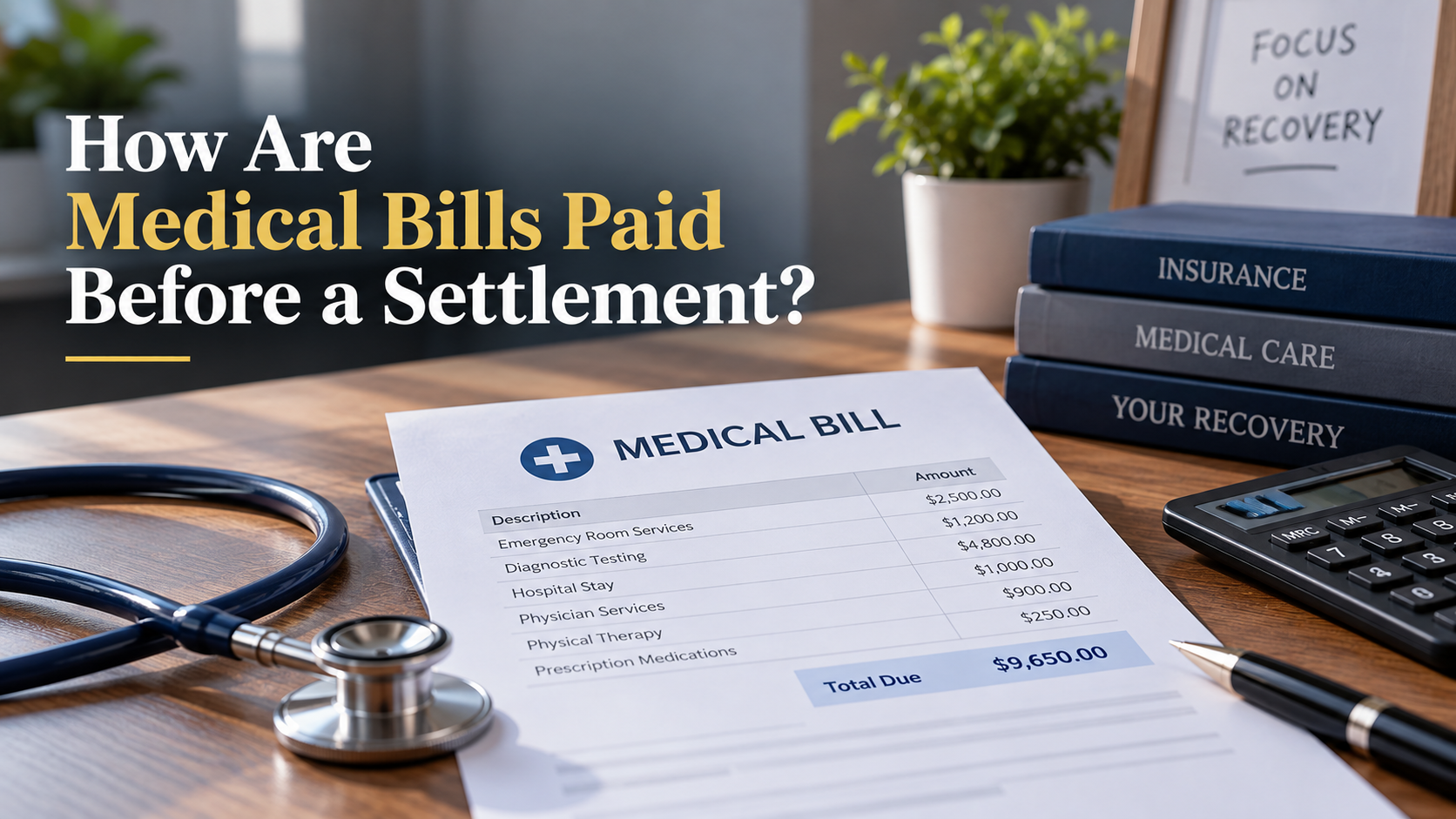
After an accident, your medical bills can start piling up before you receive any settlement money. You may have emergency room costs, doctor visits, physical therapy, prescriptions, or ongoing treatment while your personal injury claim is still being investigated or negotiated.
If you are wondering, “Who pays my medical bills before my personal injury settlement?”, the answer depends on your insurance coverage, the circumstances of your accident, and the payment arrangements available to you.
Understanding your options can help you continue necessary treatment without letting medical bills derail your recovery or your claim.
What Happens to Your Medical Bills After an Accident?
Your healthcare providers generally do not wait for your personal injury case to settle before sending bills. Hospitals, doctors, therapists, and other providers typically follow their normal billing procedures even when your injuries were caused by someone else's negligence.
Your accident-related expenses may include:
- Emergency room and hospital treatment
- Ambulance transportation
- Diagnostic testing and imaging
- Surgery and specialist care
- Physical therapy and rehabilitation
- Prescription medications
- Medical equipment
- Future medical treatment
If another person caused your injuries, you may eventually seek compensation for reasonable and necessary medical expenses as part of your personal injury claim. However, you generally cannot assume that the at-fault party's insurance company will immediately pay your medical providers.
That is why understanding how to handle your bills while your claim is pending matters.
What Can You Use to Pay Medical Bills Before a Settlement?
You may have several ways to pay for medical treatment while your personal injury claim is being resolved. The options available to you depend on your insurance policies and the circumstances of your accident.
Your Health Insurance
Your health insurance may help cover medical treatment after an accident. You may still have deductibles, copayments, or other out-of-pocket expenses, but using your health coverage can allow you to receive necessary care without waiting for a settlement.
Keep copies of your medical bills, insurance statements, and treatment records. These documents can help establish the costs associated with your injuries.
Medical Payments Coverage
If you were injured in a motor vehicle accident, your auto insurance policy may include Medical Payments Coverage, or MedPay. Depending on your policy, MedPay can help pay certain accident-related medical expenses regardless of who caused the collision.
Your coverage limits and policy terms determine how much may be available. Reviewing your insurance policy can help you understand whether MedPay may be an option for your medical bills.
Personal Injury Protection
Some auto insurance policies also provide Personal Injury Protection (PIP). Depending on the policy, PIP may help cover medical expenses and certain other losses following an accident.
Because insurance coverage varies, you should not assume that a particular benefit is available to you. An attorney can help you understand how your applicable coverage may interact with your personal injury claim.
Medical Liens and Payment Arrangements
In some circumstances, a healthcare provider may agree to delay collection of payment until your personal injury case is resolved. This may involve a medical lien or another payment arrangement.
With this type of arrangement, you may receive necessary treatment while payment is postponed. If your case results in a settlement or judgment, the provider may then seek payment from the available recovery according to the agreement.
Not every provider accepts this type of arrangement, and the terms can vary. You should understand the agreement before relying on it to pay for treatment.
Why Should You Keep Treating While Your Claim Is Pending?
One of the most important things you can do after an accident is follow your healthcare provider's recommended treatment plan.
You may be tempted to skip appointments because you are worried about medical bills. However, delaying or stopping treatment without medical guidance can affect your recovery and make it more difficult to document the full extent of your injuries.
Your medical records can show:
- What injuries you suffered
- When you first received treatment
- What treatment you needed
- How your condition progressed
- Whether additional treatment may be necessary
- What medical expenses resulted from the accident
Consistent medical documentation can also help demonstrate the connection between the accident and your injuries when an insurance company evaluates your claim.
How Can a Personal Injury Attorney Help With Medical Bills?
When you are recovering from an injury, managing medical bills while dealing with an insurance company can become overwhelming. A personal injury attorney can help you understand your options and protect your interests while your claim moves forward.
At Floyd Personal Injury Law Group, you can receive guidance regarding the medical expenses connected to your accident and the compensation you may be able to pursue under Washington law. Your attorney may help you identify available insurance coverage, gather medical records and bills, communicate with insurance companies, document your losses, and account for medical expenses when negotiating your claim.
Floyd Personal Injury Law Group represents injured clients in matters involving car accidents, motorcycle accidents, truck accidents, pedestrian accidents, bicycle accidents, slip and fall injuries, traumatic brain injuries, wrongful death, and other personal injury claims.
The goal is not simply to address the bills you have today. Your claim may also need to account for medical treatment and other injury-related losses you may face in the future.
Frequently Asked Questions
Who pays my medical bills before a settlement?
Your medical bills may initially be paid through health insurance, MedPay, PIP, another available insurance policy, or an agreed payment arrangement with a healthcare provider. Your options depend on your specific circumstances and coverage.
Can my settlement pay my medical bills?
Potentially. If you recover compensation through a personal injury settlement or judgment, accident-related medical expenses may be included in your claim. Outstanding medical balances may also need to be addressed from the recovery.
What happens if I cannot afford medical treatment?
Do not simply stop necessary treatment. Ask your healthcare provider about payment arrangements and determine whether you have insurance coverage that may help. An attorney can also explain potential options based on your circumstances.
Should I keep my medical bills and records?
Yes. Keep copies of your medical bills, treatment records, prescriptions, receipts, and other documentation related to your injuries. These records can help establish the financial impact of your accident.
Final Thoughts
You should not have to choose between getting necessary medical care and protecting your personal injury claim. Understanding your insurance coverage, payment options, and potential sources of compensation can help you make informed decisions while your case is pending.
If you were injured because of someone else's negligence in Washington, Floyd Personal Injury Law Group can help you understand your legal options and pursue the compensation you may be entitled to receive.