How Rainy Weather Can Affect Car Accident Liability
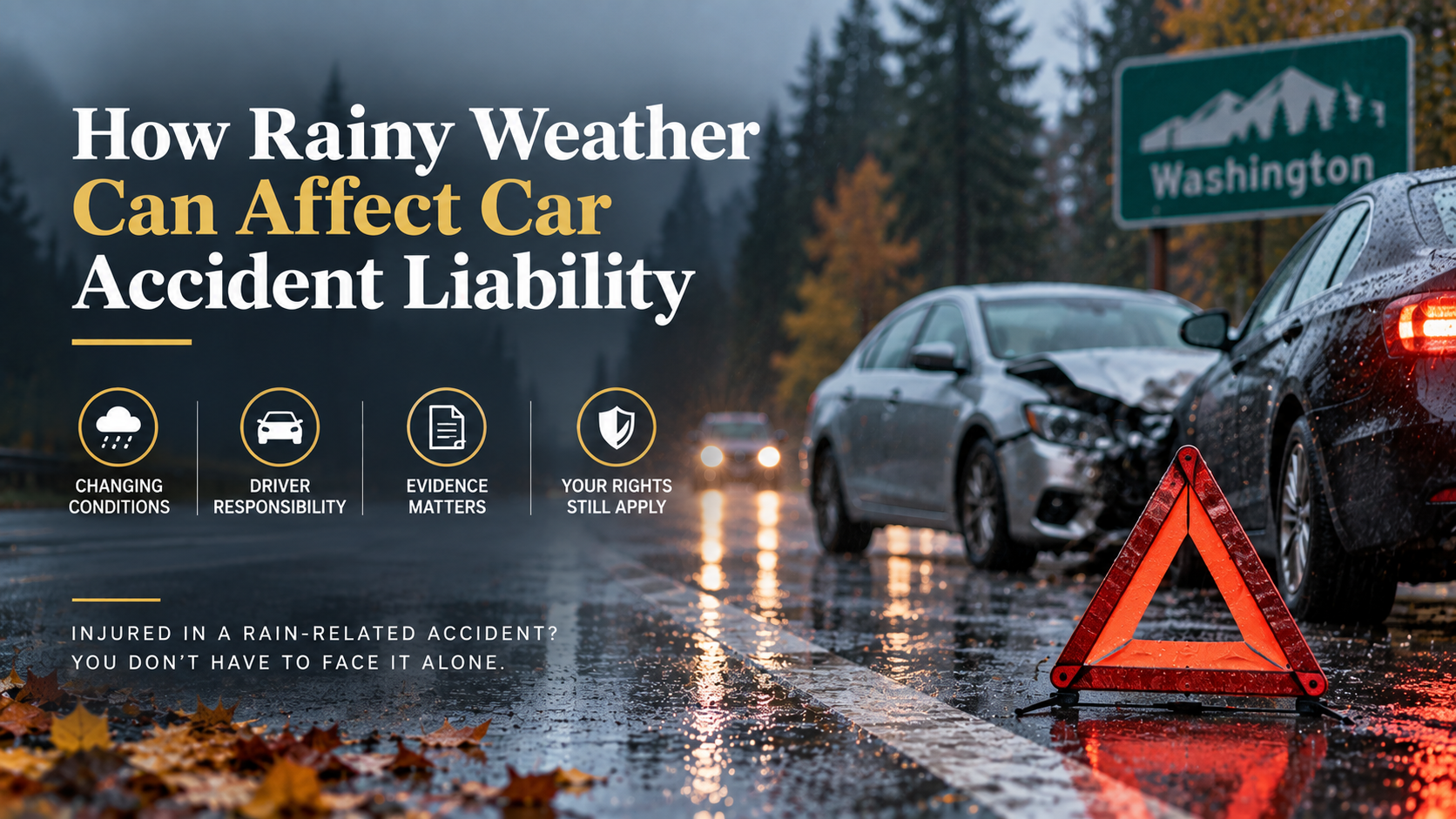
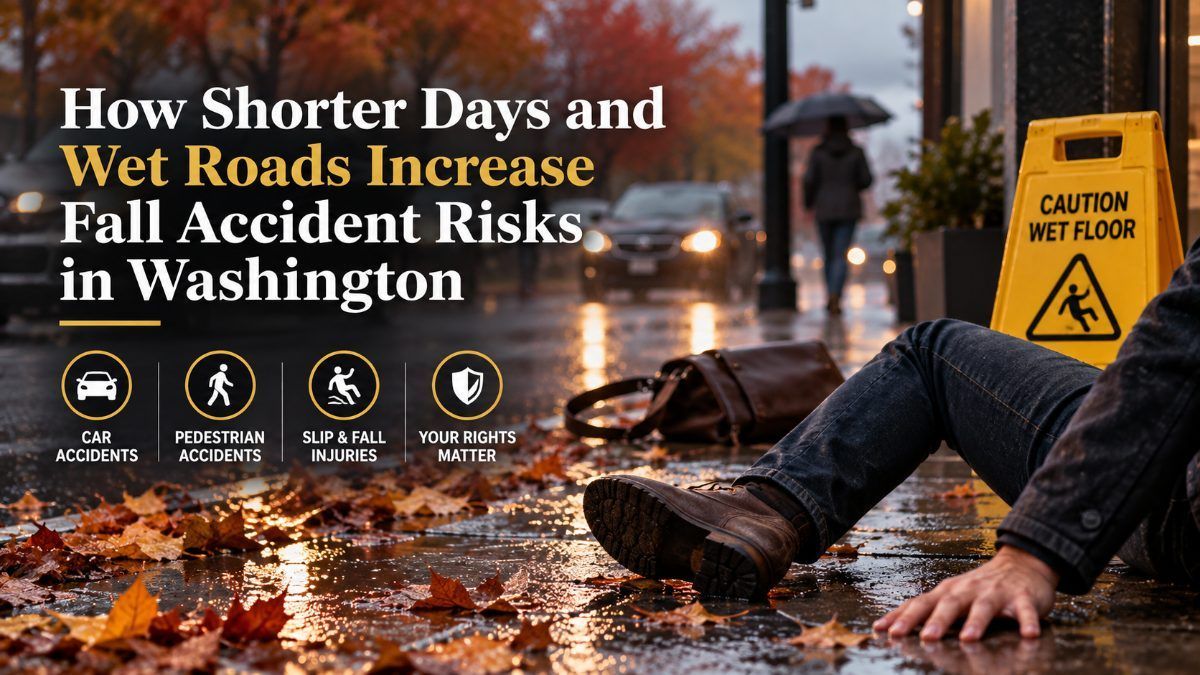
Rain can make driving more dangerous, but rainy weather does not automatically determine who is responsible for a car accident. Wet roads, reduced visibility, standing water, and longer stopping distances can all contribute to a collision. However, you still have a responsibility to adjust your driving to the conditions around you.
If you are injured in a rain-related crash, the insurance company may argue that the weather caused the accident. The circumstances may tell a different story. If another driver was speeding, following too closely, distracted, or otherwise driving unsafely, their conduct may still contribute to liability.
Understanding how rainy weather affects car accident liability can help you recognize what evidence matters and how you can protect your personal injury claim.
Does Rain Automatically Make a Car Accident No One's Fault?
No. Rain can contribute to a collision, but it does not automatically excuse unsafe driving.
When an accident occurs during bad weather, insurance companies and investigators may examine whether each driver responded appropriately to the conditions.
Drivers Must Adjust to Rainy Conditions
When roads become wet or visibility decreases, you may need to reduce your speed, increase your following distance, and allow more time to react.
A driver may be acting negligently if they:
- Drive too fast for the conditions
- Follow another vehicle too closely
- Drive while distracted
- Fail to maintain control
- Change lanes without proper care
- Ignore significantly reduced visibility
- Fail to take reasonable precautions on slippery roads
The posted speed limit does not necessarily mean that traveling at that speed is safe in every weather condition. Drivers are expected to account for the actual circumstances they encounter.
The Weather Is Only One Part of the Investigation
After a rain-related accident, the important question is not simply “Was it raining?” Investigators may also ask what each driver was doing before the collision.
They may examine speed, following distance, visibility, lane position, vehicle control, traffic conditions, and whether either driver was distracted or otherwise negligent.
This evidence can help determine whether another person's actions contributed to your injuries.
How Can Rain Increase the Risk of a Car Accident?
Rain can affect your ability to control a vehicle and respond to hazards. These conditions can become especially dangerous when a driver fails to adjust accordingly.
Wet Roads Can Reduce Traction
Water on the roadway can reduce tire traction and make it harder to stop or steer. Oil, debris, and standing water can make conditions even more hazardous.
You may face an increased risk of:
- Hydroplaning
- Skidding
- Longer stopping distances
- Loss of steering control
- Rear-end collisions
- Difficulty making turns
If another driver continues at an unsafe speed despite these conditions, their behavior may become relevant when determining liability.
Heavy Rain Can Reduce Visibility
Rain can make it difficult to see vehicles, pedestrians, traffic signals, lane markings, and other hazards.
Visibility can become even worse because of water spray from nearby vehicles, fogged windows, or standing water.
When visibility decreases, drivers should respond by driving more cautiously. Failing to do so may increase the risk of a collision.
What Evidence Can Help Establish Fault in a Rainy Weather Accident?
Determining liability requires evidence showing what happened before and during the crash. Because rain can quickly change road conditions, documenting the scene as soon as it is safe may be important.
Useful evidence may include:
- Police reports
- Photographs of the accident scene
- Vehicle damage
- Dashcam footage
- Traffic or surveillance camera footage
- Witness statements
- Weather information
- Skid marks
- Medical records
- Accident reconstruction evidence
Photographs can be particularly helpful when they show standing water, road conditions, visibility, vehicle positions, or damage immediately after the collision. Your medical records can also help document the injuries you suffered and the treatment you needed following the accident.
Can Both Drivers Be Responsible for a Rain-Related Accident?
Yes. Sometimes more than one person contributes to a collision.
Washington follows a comparative fault system, which means responsibility can be divided when multiple parties contributed to an accident.
For example, you may have been traveling too quickly for wet conditions while another driver changed lanes without properly checking for traffic. Depending on the evidence, both drivers' conduct could be considered when determining responsibility.
Could Road Conditions or Vehicle Problems Also Matter?
Driver behavior is not always the only factor investigated.
Depending on the accident, investigators may also consider:
- Standing water
- Poor drainage
- Damaged pavement
- Faded lane markings
- Traffic signal problems
- Worn tires
- Brake problems
These factors may help explain why the crash occurred and whether another party may have contributed to the conditions that caused it.
What Should You Do After a Rain-Related Car Accident?
Your safety should come first after any collision. If possible, move to a safe location and contact emergency services when necessary. You should also seek appropriate medical attention for your injuries.
If it is safe, document the accident before rain changes the surrounding conditions.
Take photographs of:
- Your vehicle and the other vehicles
- Road and weather conditions
- Standing water
- Traffic signs and signals
- Visible injuries
- The surrounding area
You should also obtain witness information and keep copies of medical records, bills, police reports, and other documents related to the accident.
Avoid assuming that the accident is automatically your fault simply because weather conditions were poor. The circumstances of the collision should be evaluated based on the available evidence.
How Can a Personal Injury Attorney Help?
A rain-related accident can become complicated when an insurance company disputes liability or argues that weather, rather than another driver's conduct, caused the collision.
A personal injury attorney can investigate the circumstances and help you understand what evidence may support your claim.
Floyd Personal Injury Law Group helps injured clients in Washington with personal injury claims involving car accidents, motorcycle accidents, truck accidents, pedestrian accidents, bicycle accidents, and other injury-causing collisions.
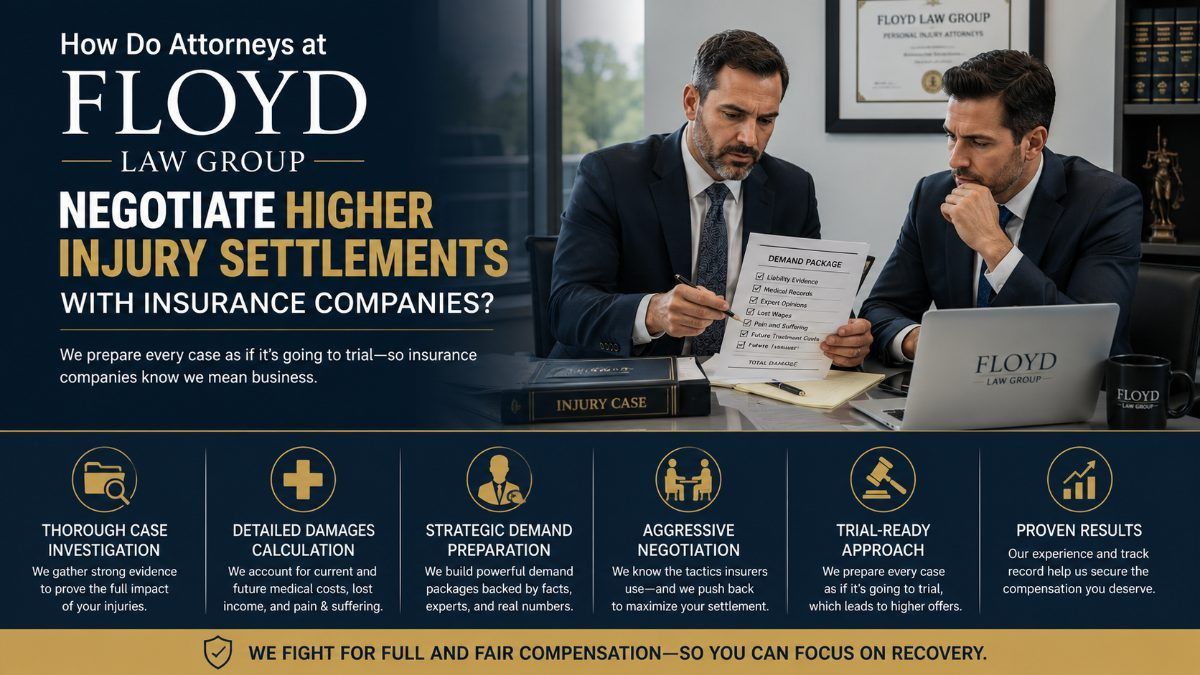
Your attorney can review police reports, medical records, photographs, witness statements, vehicle damage, and other evidence. Floyd Personal Injury Law Group can also communicate with insurance companies, address disputes about fault, and negotiate for compensation when appropriate.
If your case requires litigation, your legal team can help you understand that process and the options available to you.
Frequently Asked Questions
Does rainy weather automatically make a driver less responsible for an accident?
No. Rain does not automatically eliminate liability. Drivers are expected to adjust their driving to changing road and weather conditions.
Can a driver be at fault for speeding during heavy rain?
Yes. A driver may be responsible if they travel too fast for the conditions and that conduct contributes to a collision, even if they are below the posted speed limit.
What evidence can help after a rain-related accident?
Police reports, photographs, witness statements, dashcam or surveillance footage, weather information, vehicle damage, and medical records may help establish what happened.
Can both drivers share responsibility in Washington?
Yes. Washington's comparative fault rules allow responsibility to be allocated when more than one party contributes to an accident.
Should you contact a personal injury attorney after a rainy-weather crash?
If you were injured, liability is disputed, or an insurance company is blaming the weather for your accident, a personal injury attorney can help you understand your legal options.
Final Thoughts
Rain can make a car accident more difficult to investigate, but it does not automatically determine who is responsible. If another driver failed to adjust their speed, maintain control, or otherwise drive safely under the circumstances, their conduct may still support a personal injury claim.
If you are injured in a rainy-weather accident, seek appropriate medical care, preserve available evidence, and be cautious about accepting an insurance company's explanation of what caused the crash.
Floyd Personal Injury Law Group can help you understand your rights, evaluate the circumstances of your accident, and pursue the compensation you may be entitled to under Washington law.