What Should You Do If You're Injured in a Parking Lot Accident?
What Should You Do If You're Injured in a Parking Lot Accident?

A parking lot accident can happen in seconds. You may be walking toward a store when a vehicle backs into you, another driver may hit your car while leaving a parking space, or you could fall because of a dangerous surface or poorly maintained walkway.
Even though parking lots generally have lower vehicle speeds than highways, the resulting injuries can still affect your health, work, and finances. Knowing what to do after a parking lot accident can help you protect yourself and preserve important evidence if you later need to pursue compensation.
What Should You Do Immediately After a Parking Lot Accident?
Your first priority should always be your safety. Parking lots can remain dangerous after a collision because vehicles and pedestrians may continue moving through the area.
Check for Injuries and Get Medical Care
If you are injured, seek medical attention as soon as possible. Do not assume an injury is minor simply because you can walk away from the accident.
Some injuries may not become obvious until hours or days later, including:
- Concussions
- Neck and back injuries
- Soft tissue injuries
- Sprains and strains
- Internal injuries
Prompt medical care helps protect your health while creating documentation connecting your injuries to the accident.
Report the Accident
Depending on what happened, you may need to contact law enforcement, property management, store personnel, or parking lot security.
If another vehicle was involved, exchange information with the other driver, including:
- Name and contact information
- Insurance information
- Driver's license information
- Vehicle information
- License plate number
If you were injured on private property, report the incident to the property owner or manager and ask how the incident is documented.
How Can You Preserve Evidence After a Parking Lot Accident?
Parking lot conditions can change quickly. Vehicles are moved, surveillance footage may eventually be overwritten, and witnesses may leave before you have an opportunity to speak with them.
Take Photos Before Conditions Change
If you can safely do so, photograph the area as soon as possible.
Useful photographs may show:
- Vehicle damage
- Your visible injuries
- Parking spaces and traffic lanes
- Signs and pavement markings
- Poor lighting
- Potholes or uneven surfaces
- Standing water
- Debris or other hazards
Try to capture both close-up images and wider photographs showing how the accident occurred.
Look for Witnesses and Surveillance Cameras
Independent witnesses may provide valuable information about what happened. Ask for their names and contact information if they are willing to provide it.
You should also look for nearby security cameras. Stores, businesses, apartment complexes, and parking facilities may have surveillance footage that captured the accident.
Because footage may not be kept indefinitely, identifying potential cameras quickly can be important.
Who May Be Responsible for a Parking Lot Accident?
Determining responsibility depends on how your accident happened. The responsible party may be another driver, a property owner, or potentially more than one party.
Another Driver May Be Responsible
If another motorist caused your collision, their negligent behavior may support a personal injury claim.
Examples include:
- Failing to yield
- Backing out without checking
- Speeding through a parking area
- Distracted driving
- Ignoring stop signs
- Failing to watch for pedestrians
Parking lots require drivers to remain alert because vehicles and pedestrians can appear from multiple directions.
A Property Owner May Be Responsible for Dangerous Conditions
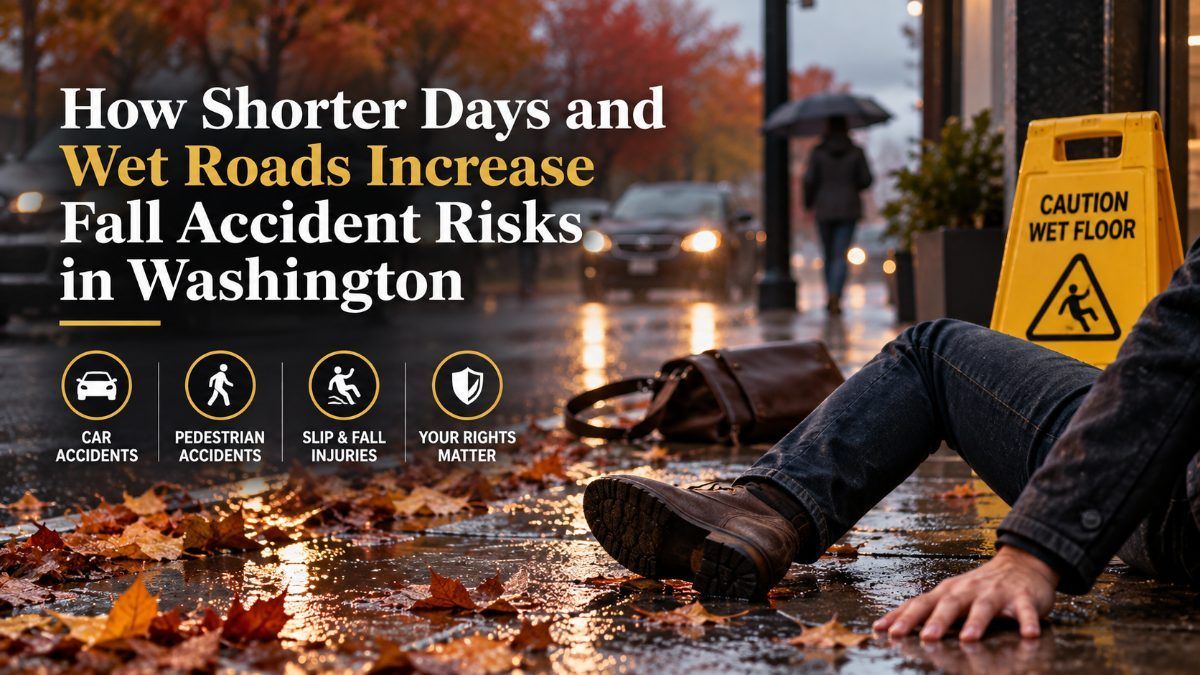
Not every parking lot injury involves a vehicle. You may also be injured because a property owner failed to address a dangerous condition.
Potential hazards include:
- Broken pavement
- Potholes
- Uneven sidewalks
- Poor lighting
- Standing water
- Slippery surfaces
- Damaged stairs
- Obstructed walkways
Whether a property owner can be held responsible depends on the circumstances, including the nature of the hazard and whether reasonable steps were taken to address it.
What Information Should You Keep After Your Accident?
Your accident may create expenses that extend well beyond the initial medical visit. Keeping organized records can help you document the full effect of your injuries.
Keep Records of Your Medical Treatment
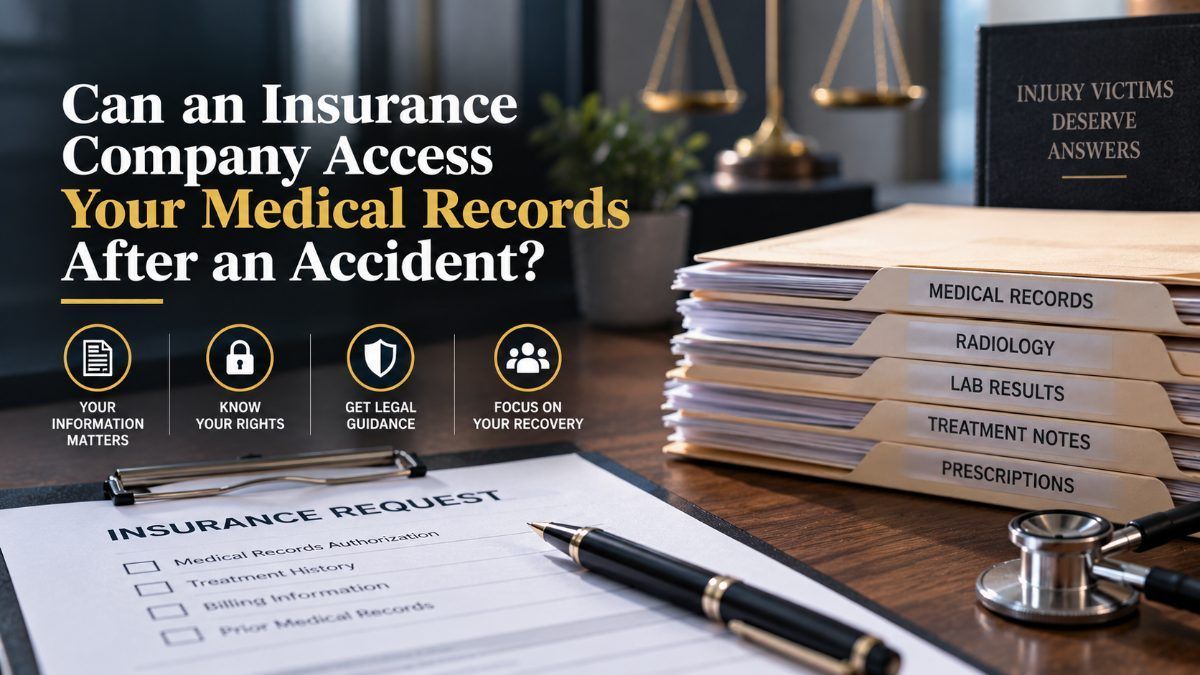
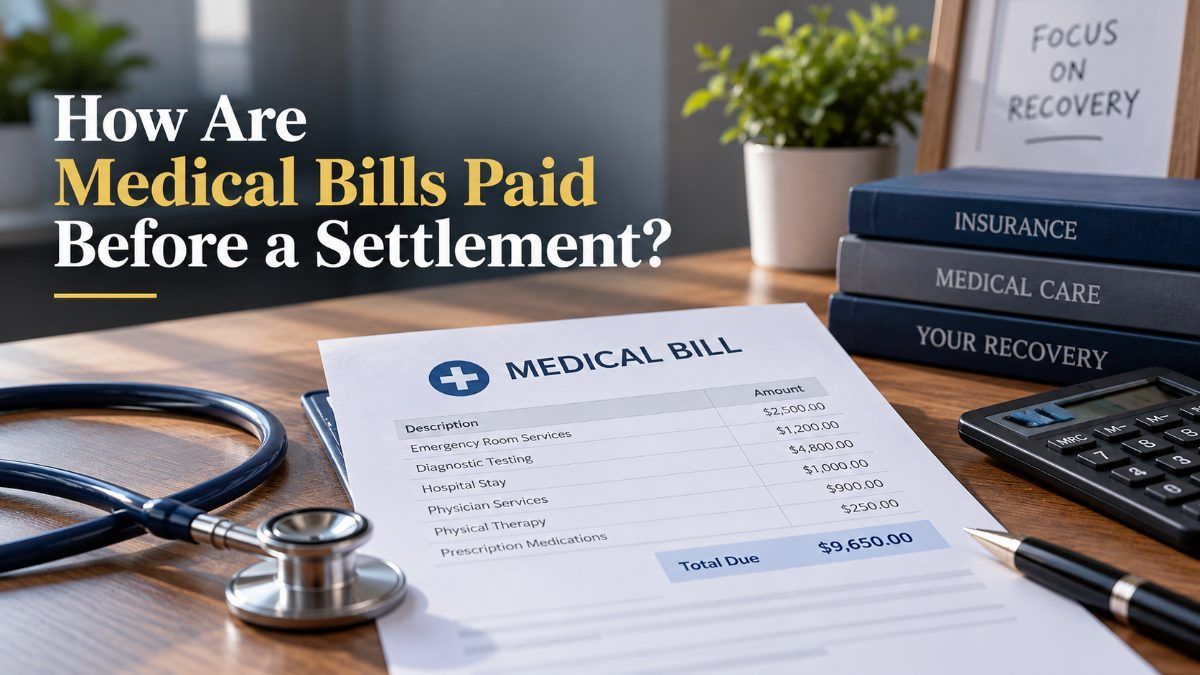
Save your medical records, bills, prescriptions, therapy documentation, and information about recommended future treatment.
You should also follow your healthcare provider's instructions and attend recommended appointments. Gaps in treatment can make it more difficult to demonstrate how an accident affected you.
Document Your Financial Losses
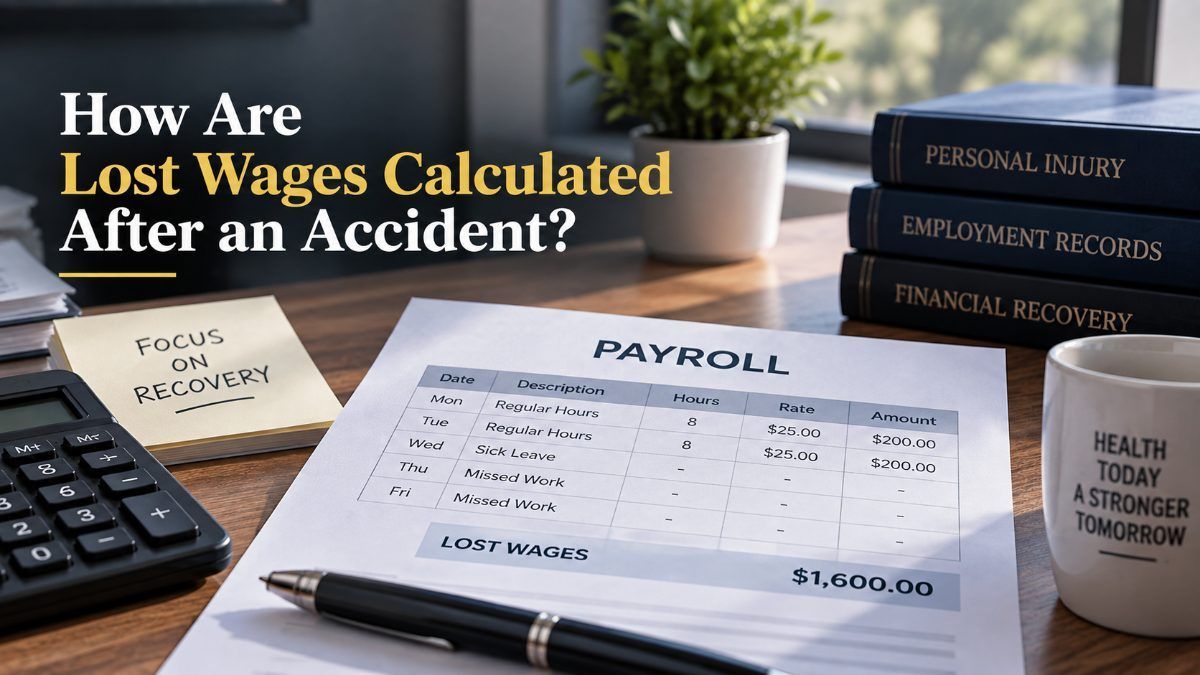
If your injuries prevent you from working, keep documentation of your missed income and any other accident-related expenses.
Depending on your circumstances, your losses may include:
- Medical expenses
- Lost wages
- Prescription costs
- Transportation expenses
- Rehabilitation costs
- Property damage
You should also keep a personal record of how your injuries affect your daily activities and quality of life.
When Should You Speak With a Personal Injury Attorney?
You may have questions about who is responsible, which insurance policy applies, or whether your injuries justify a personal injury claim. These questions can become more complicated when a parking lot involves multiple businesses, property owners, drivers, or insurance companies.
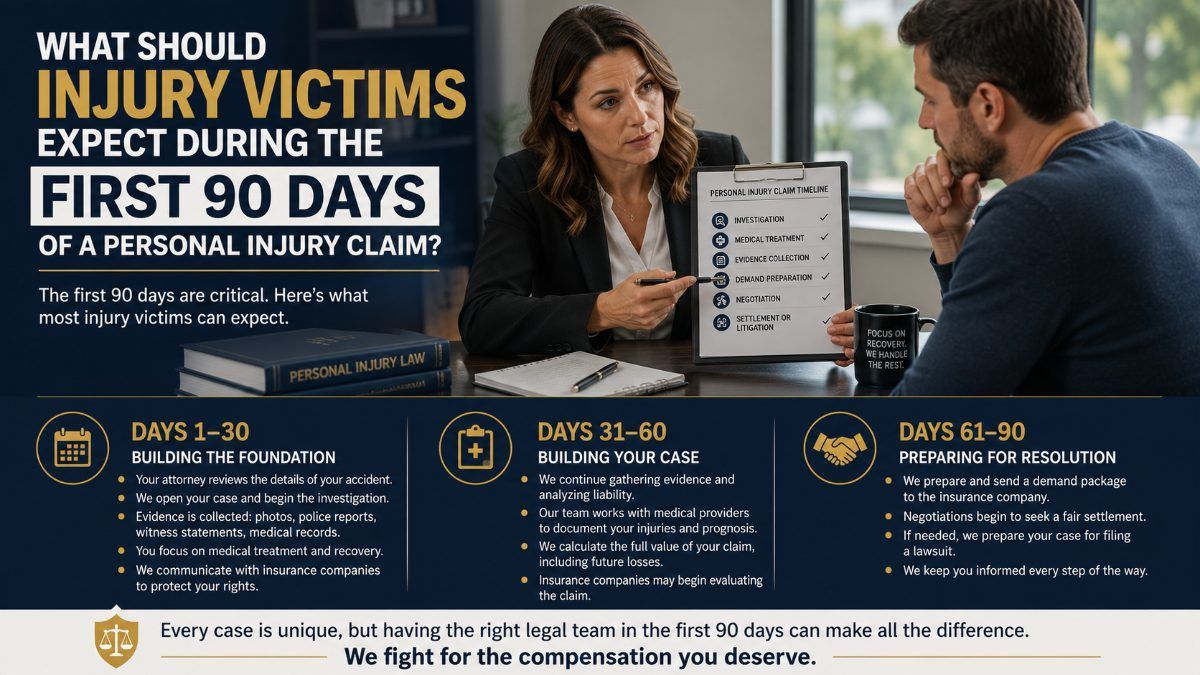
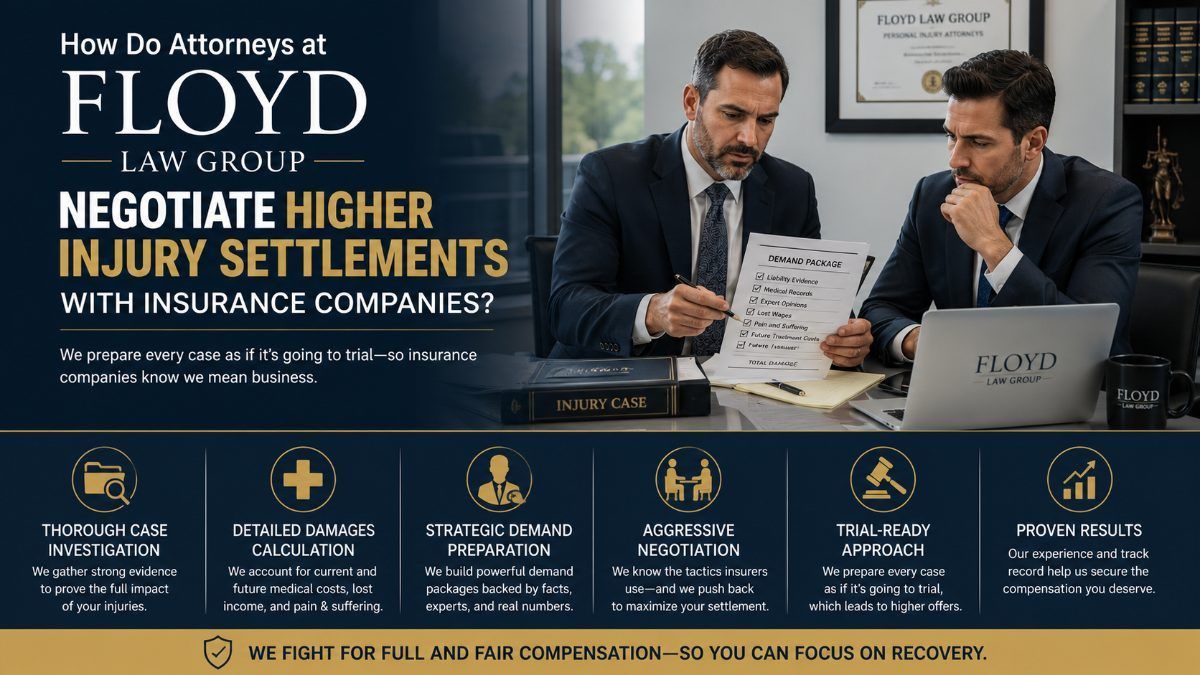
A personal injury attorney can investigate the circumstances, preserve relevant evidence, communicate with insurers, and help determine what compensation you may be entitled to pursue.
Floyd Personal Injury Law Group handles personal injury matters involving car accidents, pedestrian accidents, motorcycle accidents, slip and fall injuries, and other injury claims in Washington. The firm can help you understand your options and pursue a claim when another party's negligence caused your injuries.
Frequently Asked Questions
Can I file a personal injury claim after a parking lot accident?
Yes. If another person's negligence caused your injuries, you may have grounds for a personal injury claim. The specific circumstances determine whether you can recover compensation.
What if I was hit by a car while walking through a parking lot?
If a driver failed to exercise reasonable care and injured you, you may be able to pursue compensation for your accident-related losses.
Can a property owner be responsible for a parking lot injury?
Potentially. If a dangerous property condition contributed to your injury, liability may depend on the circumstances and whether the property owner had a responsibility to address the hazard.
What evidence is most important after a parking lot accident?
Photos, medical records, witness information, surveillance footage, incident reports, and documentation of your financial losses can all help establish what happened and how you were affected.
Should I contact an attorney after a parking lot accident?
If you suffered significant injuries, missed work, or face questions about who was responsible, speaking with a personal injury attorney can help you understand your legal options.
Final Thoughts
A parking lot accident can leave you dealing with injuries and unexpected expenses even when the collision happened at a relatively low speed. Whether you were struck by a vehicle, injured in a collision, or hurt because of a dangerous property condition, what you do afterward can make a difference.
Get medical care, report the incident, document the scene, identify witnesses and potential surveillance footage, and keep records of your losses. If another party's negligence caused your injuries, Floyd Personal Injury Law Group can help you understand your rights and pursue the compensation you may be entitled to under Washington law.