Uninsured and Underinsured Motorist Coverage in Washington
Someone runs a light, wrecks your car, breaks your wrist, and turns out to carry the state minimum in liability coverage. Or no coverage at all. Or they never stopped and nobody got the plate.
Now what?
This is the situation uninsured and underinsured motorist coverage exists for, and it is the single most misunderstood line on a Washington auto policy. Most people who have it do not know they have it. Some who need it were talked out of it years ago to save a few dollars a month.
We have handled injury claims from our Kent office since 1984, and this is the first thing we look for when the at-fault driver cannot pay.
What our clients say
"They gave me very good advice on personal injury lawsuit. The Floyd team was always available to answer my questions. Everything worked out as they said it would."Charles B., Google review
"He is very knowledgeable and pleasant to work with! His team follows up very well! I am so blessed to find him for my car accident claim!"Stanley C., Google review
"Jeff is an AMAZING attorney. He is great at actively listening to the problems I was facing and helped guide me through what to expect throughout the entire process. His calm demeanor helped tremendously with my anxiety of getting through my case. Thanks Jeff!"Lori P., Google review
The two halves of it
Uninsured motorist coverage steps in when the driver who hurt you has no liability insurance, or cannot be identified at all. A hit and run falls here.
Underinsured motorist coverage handles the far more common problem: a driver who has insurance, but nowhere near enough. Washington's minimum liability limits are low against a real injury. One ambulance ride, one surgery and six weeks off work can clear them before anyone discusses pain or long term care.
Both usually appear on your policy as a single UIM line. It pays what the at-fault driver should have paid and could not.
It follows you, not your car
This is the part that changes cases, and almost nobody knows it.
UIM coverage attaches to the insured person. So it can apply when you were a passenger in someone else's car, when you were on a bicycle, and when you were on foot in a crosswalk. You do not have to have been driving the car the policy is written on.
We have opened files for cyclists who assumed they had no claim because the driver fled, and for pedestrians who never thought their own auto policy had anything to do with being hit while walking. It did. Our bicycle and pedestrian clients hit this more than anyone.
You probably have it, even if you do not remember buying it
Washington requires insurers to offer UIM coverage. Turning it down has to be done in writing, deliberately.
So the question is rarely whether the coverage was offered. It is whether someone signed a rejection years ago and forgot. We read the declarations page rather than asking you to remember, because policies get rewritten, carriers change, and the person who set the policy up may not be the person driving now.
Do you actually know what your own policy would pay if the other driver had nothing?
Bring us the declarations page and you will know in ten minutes. It costs nothing and it is the same document your insurer will be reading.
The uncomfortable part: your own insurer becomes the other side
A UIM claim is made against your own insurance company. That catches people badly, because it feels like it should be simple. You paid premiums for years. You are the customer.
It is not simple. The moment you file, the company is deciding how much to pay out of its own money, and every argument an at-fault driver's insurer would have made is now available to yours. That your injury was pre-existing. That you were partly at fault. That the treatment went on too long.
The relationship stays polite and the file gets handled like any other disputed claim. That is not cynicism, it is just how the incentive works, and going in expecting a friendly process is how people accept far too little.
How much coverage is enough
We get asked this by clients who are fine, right after we have finished a claim for someone who was not.
The honest answer is that UIM is one of the cheapest lines on a policy relative to what it does, because the insurer is only paying when somebody else failed to. People routinely carry high liability limits to protect other drivers from themselves, and then carry the minimum UIM, which protects nobody but their own family. That is backwards.
Match your UIM to your liability limits if you can. Look at what your household would actually need if the person who hit you turned out to have nothing, because that is the whole scenario this line covers.
We do not sell insurance and we get nothing from saying this. It is just the pattern we see from the wrong end.
PIP is not the same thing
Personal injury protection is the other coverage people mix up with this one. PIP pays medical bills and some wage loss quickly, regardless of who was at fault, up to whatever limit you carry.
UIM is for the rest of the harm: the pain, the lasting effects, the income beyond what PIP covered. You can use both. PIP is first aid for the finances. UIM is the actual claim.
The deadline is different, and it is a trap
An injury lawsuit against the driver runs on the three year personal injury clock in Washington. A UIM claim is a claim on a contract, so it can run on a different and often longer timetable, and your policy may set its own conditions on top.
That sounds like good news, and sometimes it is. The trap is the paperwork: many policies require prompt notice of the accident and cooperation with the investigation, and a late notice can be used against you regardless of how much time is technically left. There is more on filing windows generally on our statute of limitations page.
Notify early. Argue about value later.
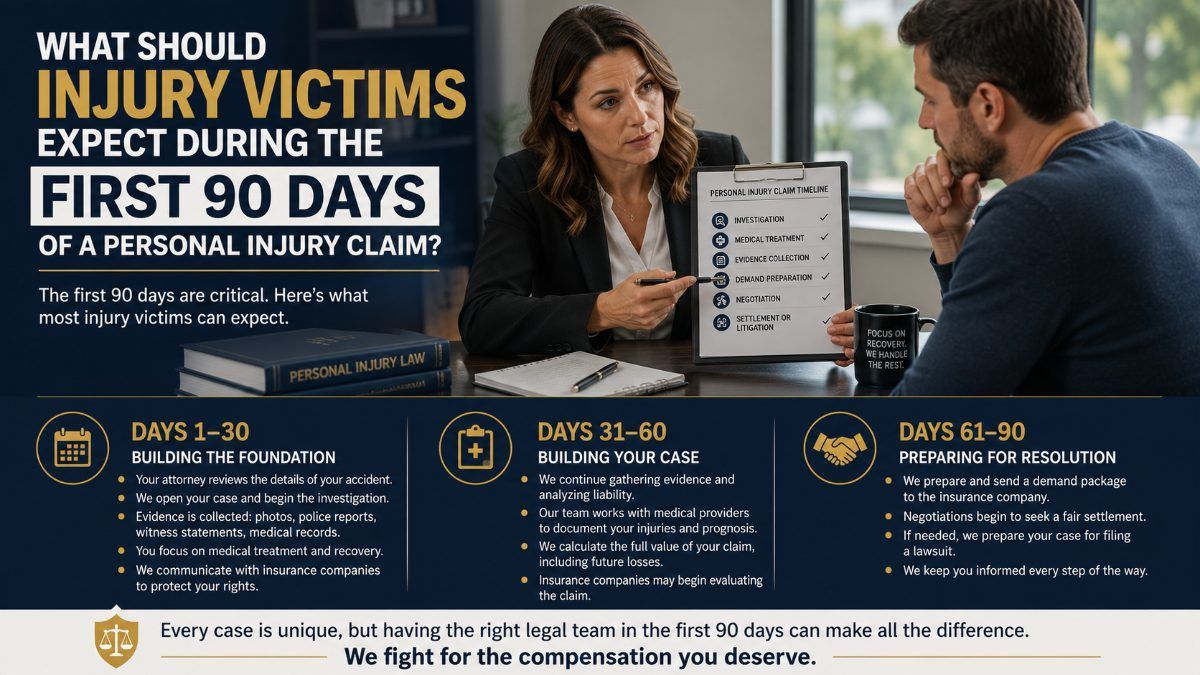
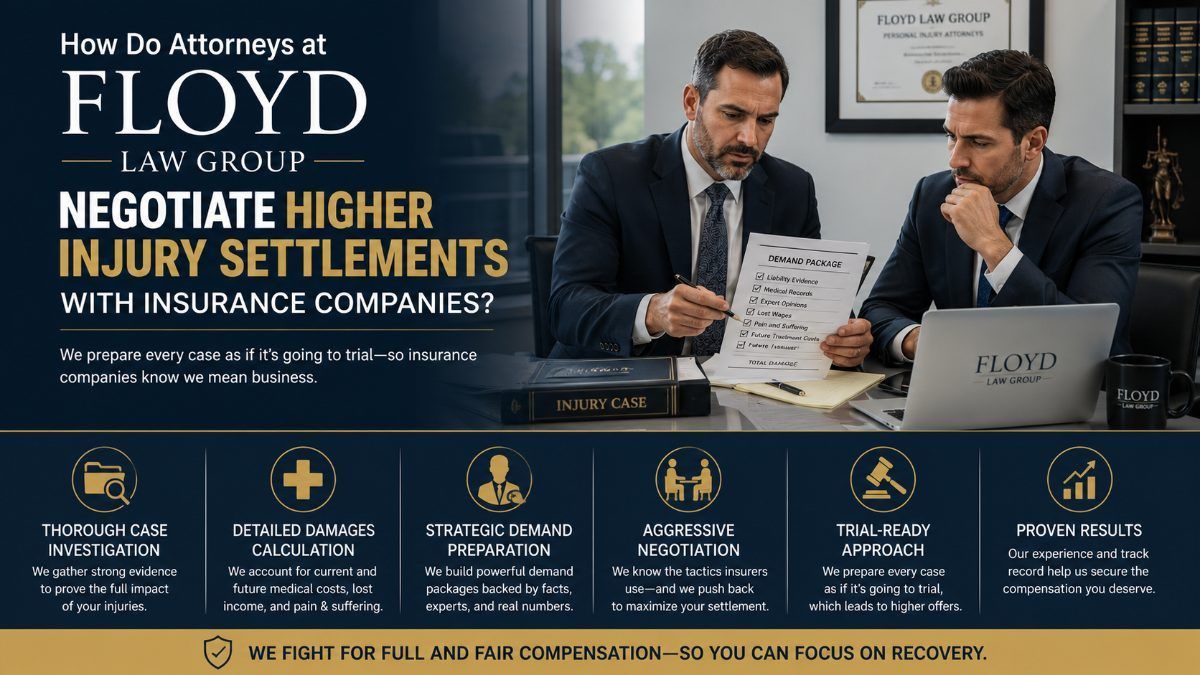
How we handle a UIM claim
A free consultation, where we read the policy and tell you what is actually available. Sometimes that reveals more coverage than the client expected, and occasionally it reveals a rejection form nobody remembered signing.
Then investigation. We document the injury and the at-fault driver's limits, and we deal with the consent requirements before settling anything with the other side, because settling with the at-fault driver the wrong way can damage the UIM claim behind it.
Then negotiation with your carrier, and litigation or arbitration if the offer does not match the file.
Our fee is contingent. No recovery, no legal fee. Our wider personal injury practice and insurance claim work sit alongside this.
Call our Kent office at (206) 575-7562 to review your UIM coverage
Frequently asked questions
The driver who hit me had no insurance. Do I have any claim?
Very possibly, against your own UIM coverage. Bring your declarations page and we will tell you what it would pay.
I was hit by a hit and run driver. Does UIM apply?
Usually yes. An unidentified driver is treated as an uninsured one for these purposes, which is exactly the gap the coverage was written to fill.
Will making a claim raise my premium?
Making a claim for someone else's fault is not the same as causing an accident. Ask us before you let that worry stop you from claiming what you paid for.
I was on my bike, not in my car. Does my auto policy help?
It can. The coverage follows the insured person rather than the vehicle, so cyclists and pedestrians are often covered by their own auto policy.
Should I settle with the other driver's insurer first?
Talk to us before you sign anything. Settling with the at-fault carrier without handling the consent requirements can undercut the UIM claim sitting behind it.
Our office is at 555 W Smith St #104, Kent, WA 98032. Call (206) 575-7562 or contact us and we will find you a time this week.
Schedule your free uninsured motorist consultation in Kent, WA
Contact us for a free case review